
Changes After Construction
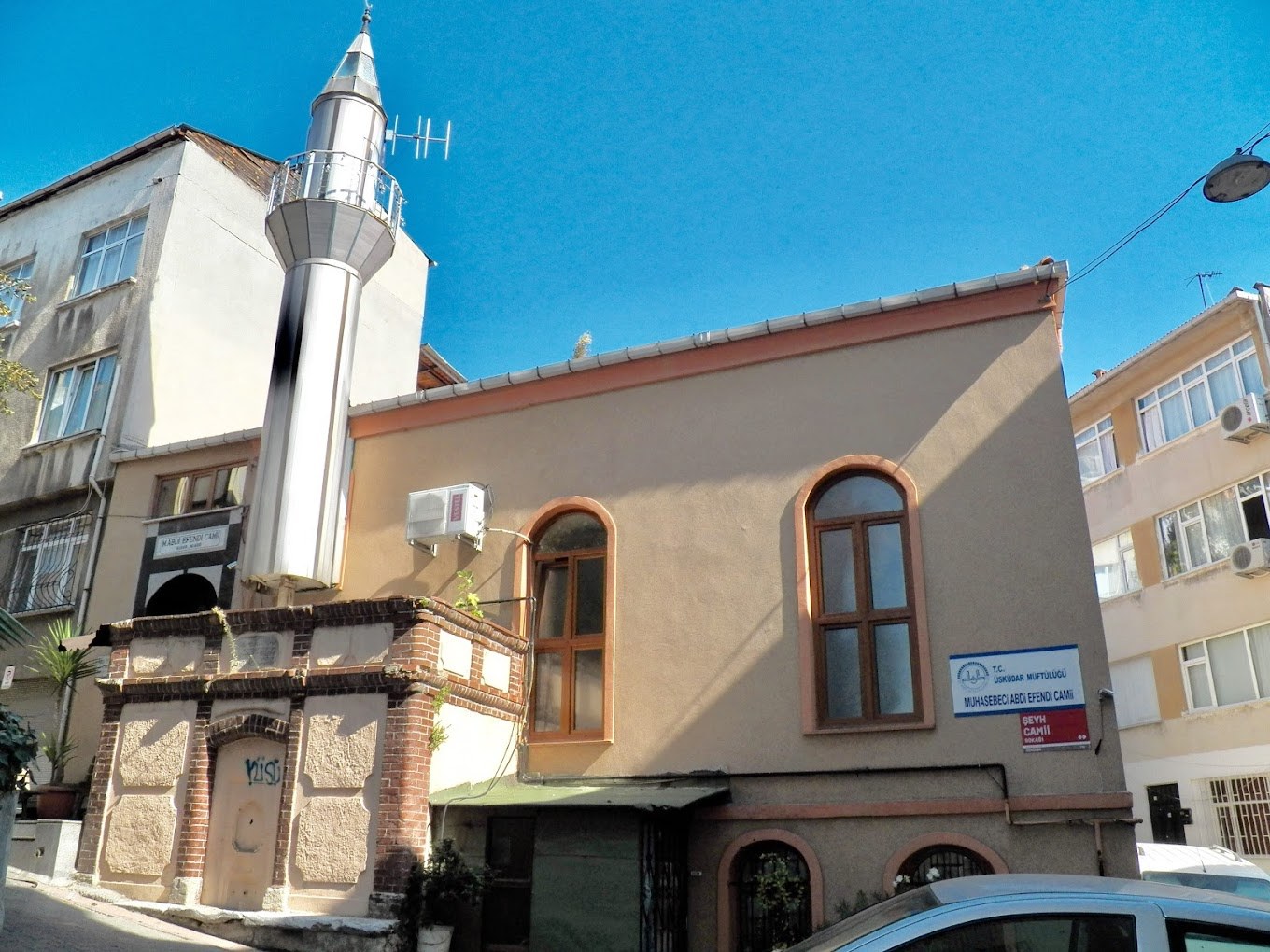
Since a fountain built by Arslan Ağa, the steward of Kösem Sultan, wife of Sultan Ahmed I and mother of Sultan Murad IV and Sultan İbrahim, stands very close to the mosque, the building is generally accepted to have been commissioned by Arslan Ağa.
The mosque, registered under the Foundation of Babüssaade Agha Accountant Abdi Efendi bin Mehmed, was rebuilt and extensively repaired in 1886 by the Ottoman governor and general Süleyman Bahri Pasha.
The structure was repaired at different times throughout history; its fevkânî, or upper-storey, plan feature was partly lost after these repairs.
In the 1924 survey of foundation properties, it was recorded within the boundaries of Selmanağa Quarter as “Abdullah (Abdi) Efendi Mosque.” Official records show that it was open for worship and well maintained at that time.
Featured Highlights
It is a square-planned mosque with masonry stone-and-brick walls and a wooden roof.
Some records also describe it as a rectangular-looking structure raised on a basement floor; its roof is a hipped roof covered with Marseille-type tiles.
It has no inscription or cemetery anywhere within its structure or grounds.
It is stated that a canopy over the fountain next to it once served as a minaret; today, the mosque has a single-balconied masonry minaret covered with sheet metal.
In historical records, it is also referred to by the names Kumru Mosque, Abdullah Efendi Mosque, Hammal Başı Mosque, Muhasebeci Abdi Efendi Mosque, and Arslan Ağa Mosque, meaning that it underwent several name changes over time.
The author of Hadika presents a different view regarding its patron, stating: “Its founder was Kumru Mehmet Ağa. His grave is in the cemetery outside Üsküdar. This mosque has no quarter of its own.”
The mosque is also mentioned in a legal notice dated May 1780; this information shows that the building already existed in the 18th century.