
Changes After Construction
After the use by Adile Sultan, the structure was reorganized in accordance with different public functions at the beginning of the 20th century.
During the years of World War I, the structure was used as an educational institution.
During the Republican period, the structure served with the function of a health institution for children.
In the 1970s, this function came to an end; the structure remained neglected for a period.
Following repairs in 1991, it was reopened with the function of a teachers’ house and social facility.
In 2014, a museum arrangement was made within the structure, and a certain section gained the function of visitation.
Featured Highlights
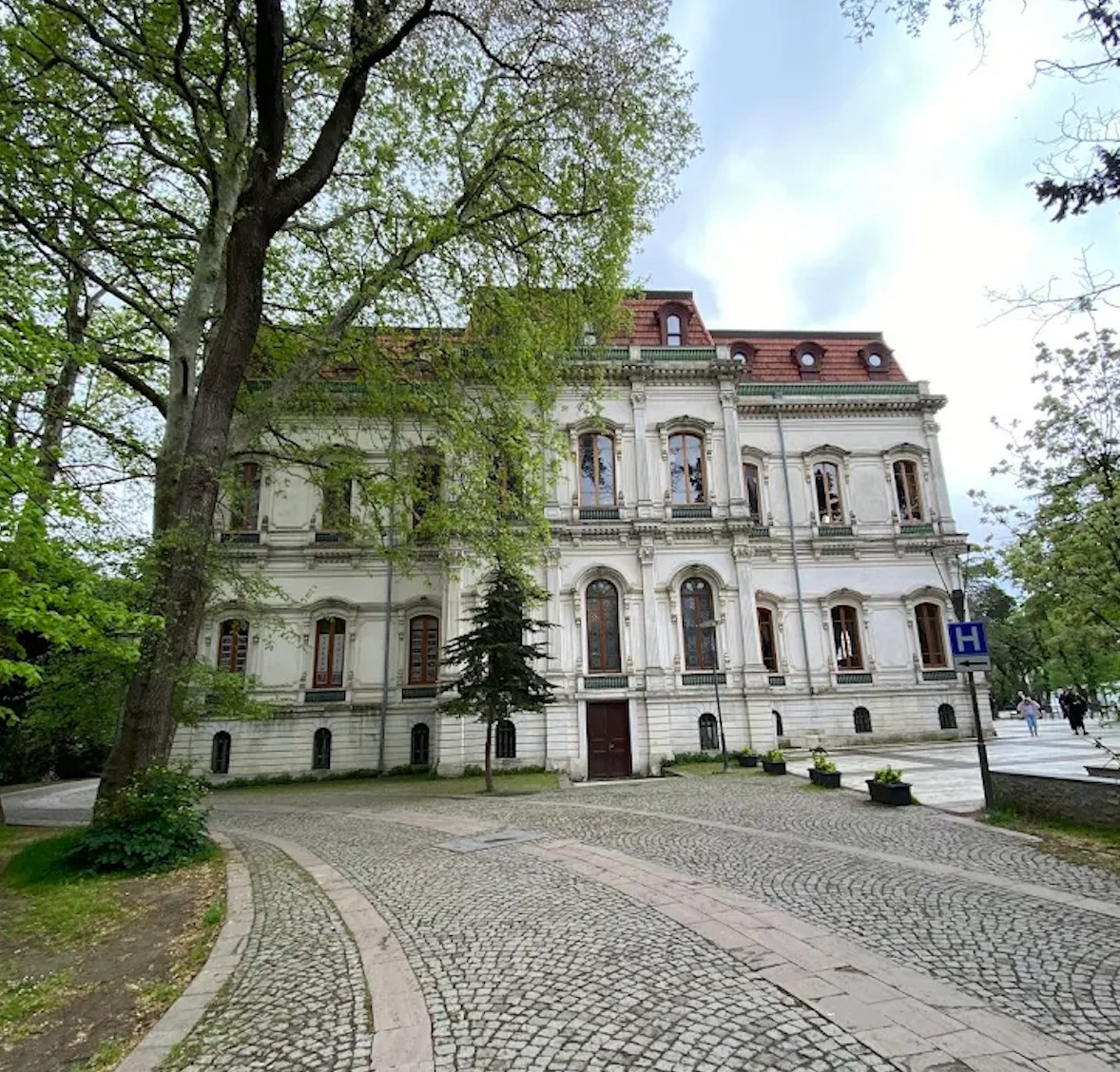
The structure is known among the public as the Adile Sultan Pavilion.
It is a masonry structure and possesses a two-story mass layout.
In its floor plan, a wide sofa/hall arrangement stands out.
A double-arm staircase arrangement is located on the entrance facade.
The ceiling decorations and ornamentation style belonging to its period draw attention in the interior.
The building is one of the distinguished examples of 19th-century Ottoman civil architecture in Üsküdar.
The palace, located within the Validebağ Grove, is an important part of the historical construction layer within the grove.