Changes After Construction
It was first built as a masjid and lodge, and over time it was converted into a mosque.
It underwent significant repairs in 1892 during the reign of Abdulhamid II.
Featured Highlights
The mosque was also used as a Naqshbandi Dervish Lodge and has a large graveyard.
According to Ottoman archive documents and various lists of lodges, the historical importance and religious activities of the lodge are quite evident.
Next to the mosque is a tomb belonging to Baba Haydar, which increases the religious and historical value of the building.
The grave of Baba Haydar Semerkandi is located in its courtyard.
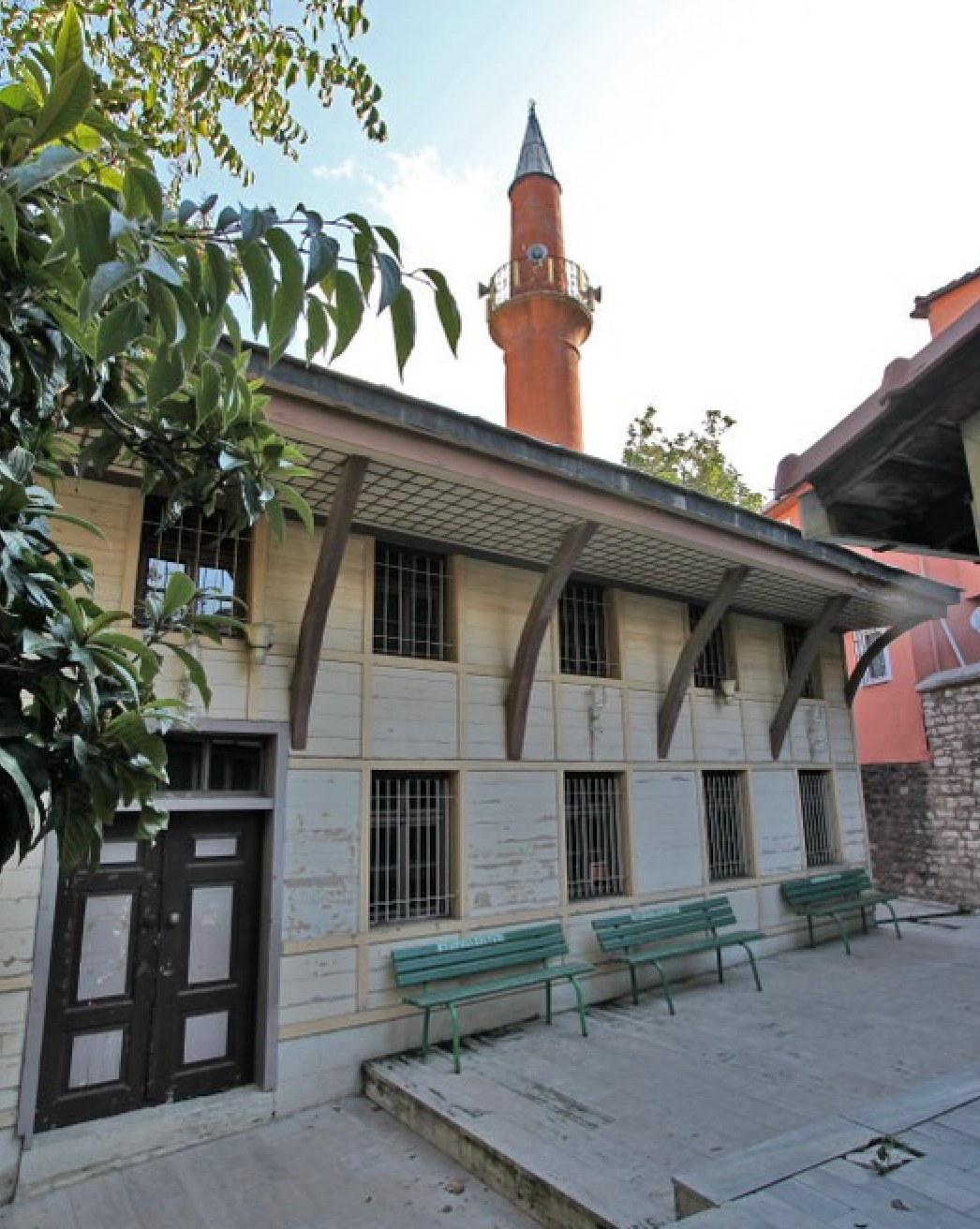
It has a structure with masonry walls and a wooden roof.
There is a wide wooden eave in the narthex.
The mihrab has a muqarnas arch. The Harim section is illuminated by the lower and upper floor windows.
There is an ornament in the form of "Sun of Sultan Mahmud" on the ceiling.