
Changes After Construction
It was built as a small mosque by Balaban Ahmed Baba, who belonged to the İsfendiyaroğulları dynasty that ruled in the Kastamonu region.
In 1764, it also began to be used as a tekke by Sheikh Yağcızade Seyyid Ahmed Efendi, one of the imams of the mosque.
The structure was badly damaged in a fire in 1829 and was completely demolished.
According to the inscription above its gate, it was rebuilt in 1889 by Sheikh Âşir Efendi and his wife Ayşe Sıdıka.
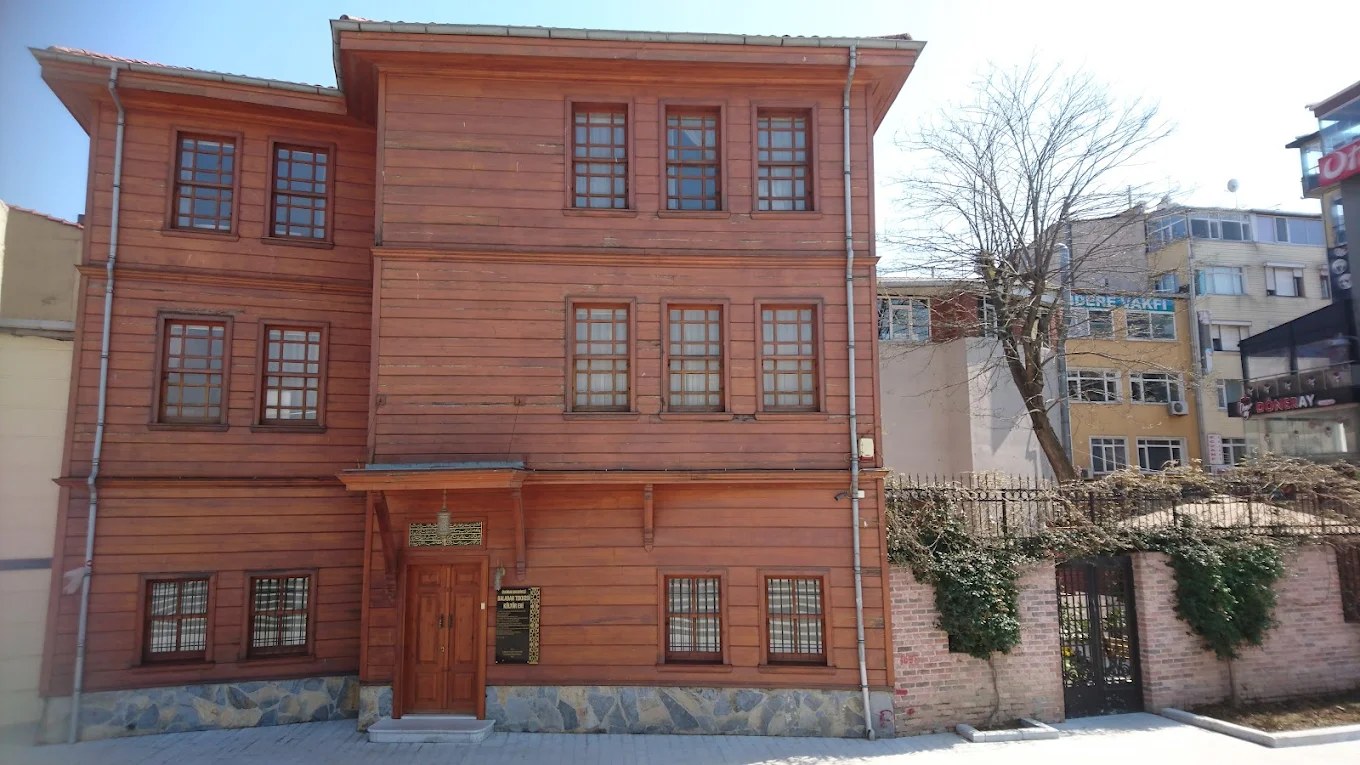
The three-storey wooden structure, which continued to function as a mosque until 1948, later fell into ruin due to neglect and was demolished.
By the 2000s, only the garden wall, cemetery, and Baroque-style fountain of the historic structure had survived. It was rebuilt in 2009 by Üsküdar Municipality.
Today, it is used as the Üsküdar Municipality Balaban Tekke Cultural Center.
Featured Highlights
It is also known as the Sa‘dîler Tekke, İsfendiyar Tekke Mosque, and Yağcızâde Tekke Mosque.
In the cemetery of the tekke are the graves of Balaban Ahmed Baba, the original patron of the structure, and of its later patrons, Sheikh Âşir Efendi and his wife Ayşe Sıdıka Hanım.
The tekke was also used historically as a Cerrahî lodge.
As a place where important musicians continued to perform throughout history, the tekke holds particular value in terms of Sufi music.