
Changes After Construction
From the 18th century onward, the lodge units underwent repairs.
In 1925, migrants resided in the dervish cells; the tevhidhane was in a ruined condition during this period.
After 1925, the lodge site was occupied for a time, and the cemetery section was damaged.
In the 2000s, the sections other than the harem quarters were restored.
Featured Highlights
It was also known by the names Kadem-i Şerif Lodge, Paşmak-ı Şerif Lodge, and Baba Efendi Lodge.
In the past, a footprint attributed to the Prophet Muhammad and a skullcap attributed to Uways al-Qarani were preserved within the lodge.
At its foundation, the lodge was affiliated with the Qadiriyya; in the early 18th century, it passed to the Bayramiyya-Himmetiyya, in the late 18th century to the Khalwatiyya-Sunbuliyya, and in the mid-19th century back again to the Qadiriyya.
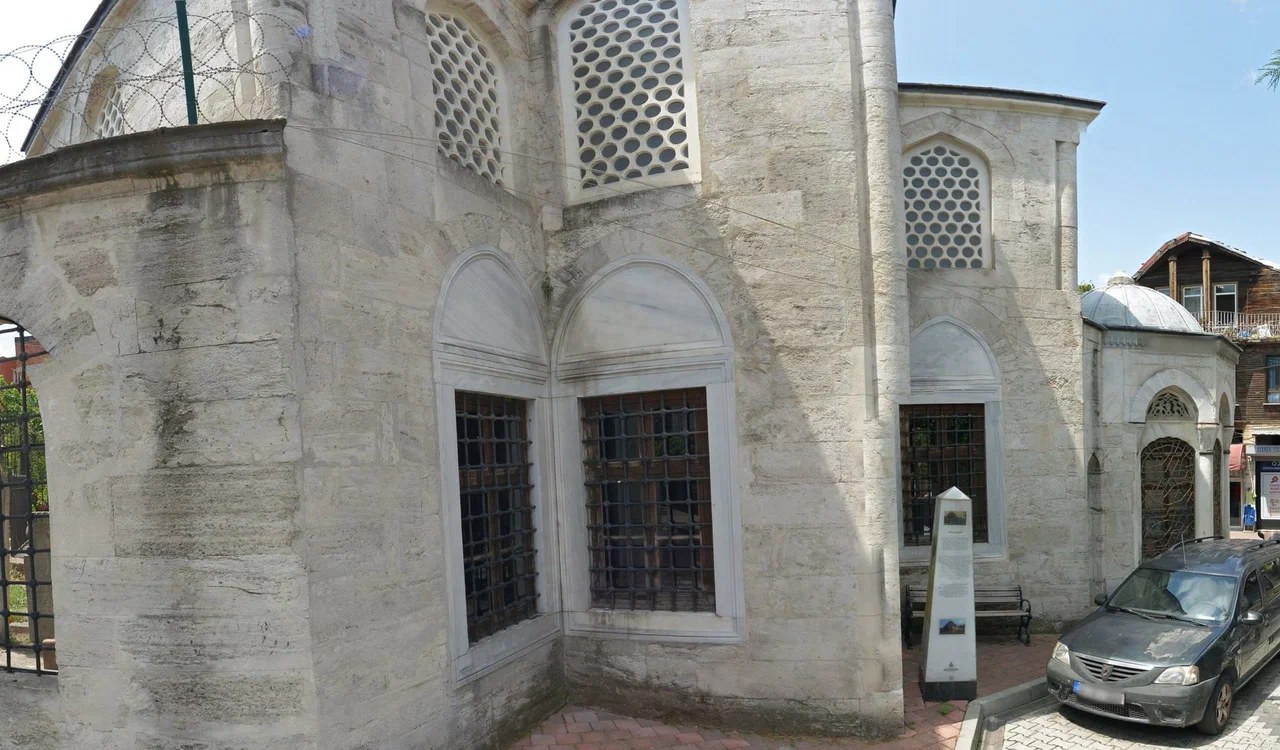
On the south side of the lodge courtyard stands the tevhidhane as an անկախ independent mass, domed and octagonal in plan.
The dervish cells of the lodge are arranged in an L-shape along the eastern and southern boundaries of the plot; in front of the cells is a portico, and at the western end of the portico are the meydan room and the sheikh’s room.