Changes After Construction
It was seriously damaged in the great Istanbul earthquake of 1766 and was rebuilt later.
Selim III, continuing his great-grandfather's legacy, had the mosque rebuilt by Uzun Hüseyin Efendi between 1798-1800.
Some parts of the mosque were repaired again during the reign of Sultan Mahmud II in the 1800s.
Featured Highlights
It is one of the holy places of the Ottoman period. The mosque houses the tomb of the companion of the Prophet Muhammad, Abu Ayyub al-Ansari.
The mosque has historical importance as the place where the sword-girding ceremonies of the Ottoman sultans were held.
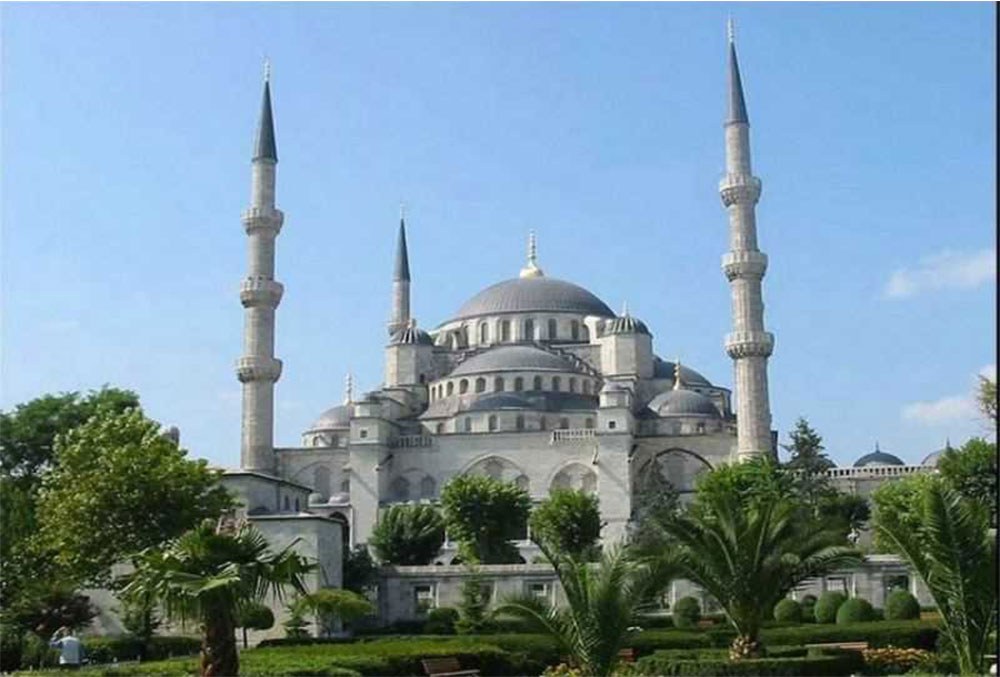
It attracts attention with its interior, large courtyard and elegant porticos.
There are structures such as a madrasah, a fountain and a tomb in the mosque courtyard.
Eyüp Sultan Tomb is the most visited part of the mosque and has an intense spiritual atmosphere.