Changes After Construction
Hacı İlyas Mosque is recorded in the archives as a structure also referred to as “Alaca Masjid” and dated to the 16th century.
By the 20th century, the structure no longer existed; it is stated that for many years the site was known only by its minaret base and a water well.
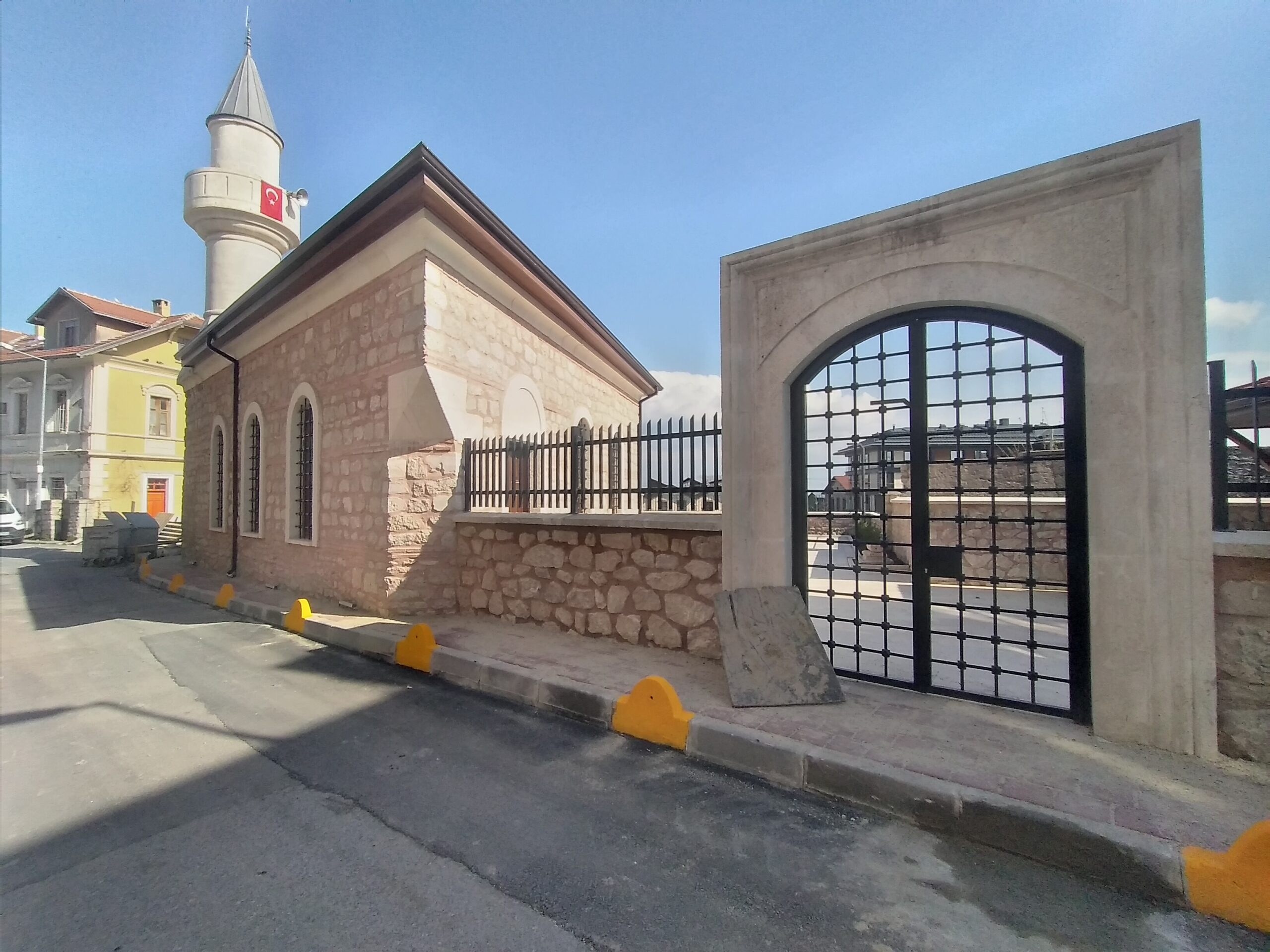
It is conveyed that during the revival process, elements such as the traces of the body walls, window openings, and the original brick paving were uncovered through archaeological excavation and documentation works; in addition, the presence of a second water well was identified.
In light of these findings, the structure was rebuilt in fidelity to its original plan and with regard for traditional techniques; it was announced that it was reopened for worship on 5 May 2025.
Featured Highlights
The structure’s being also known as “Alaca Masjid” shows that it is one of the historical worship structures living under multiple names in the neighborhood memory around Yedikule.
It is emphasized that the revival process was carried out not merely as a general reconstruction, but with a data-based re-establishment approach based on the reading of excavation findings (wall traces, window openings, brick paving).
The water-related elements associated with the structure (at least one, and in the excavation a second example of water wells was also identified) are important clues that make visible the ablution/water infrastructure layer seen in small-scale neighborhood masjids.
The record that the grave of its patron Hacı İlyas is located in the graveyard of Hacı Evhad Mosque in the same vicinity is a striking piece of information showing that the structure is connected not only with worship, but also with the surrounding geography of visitation/remembrance.