Changes After Construction
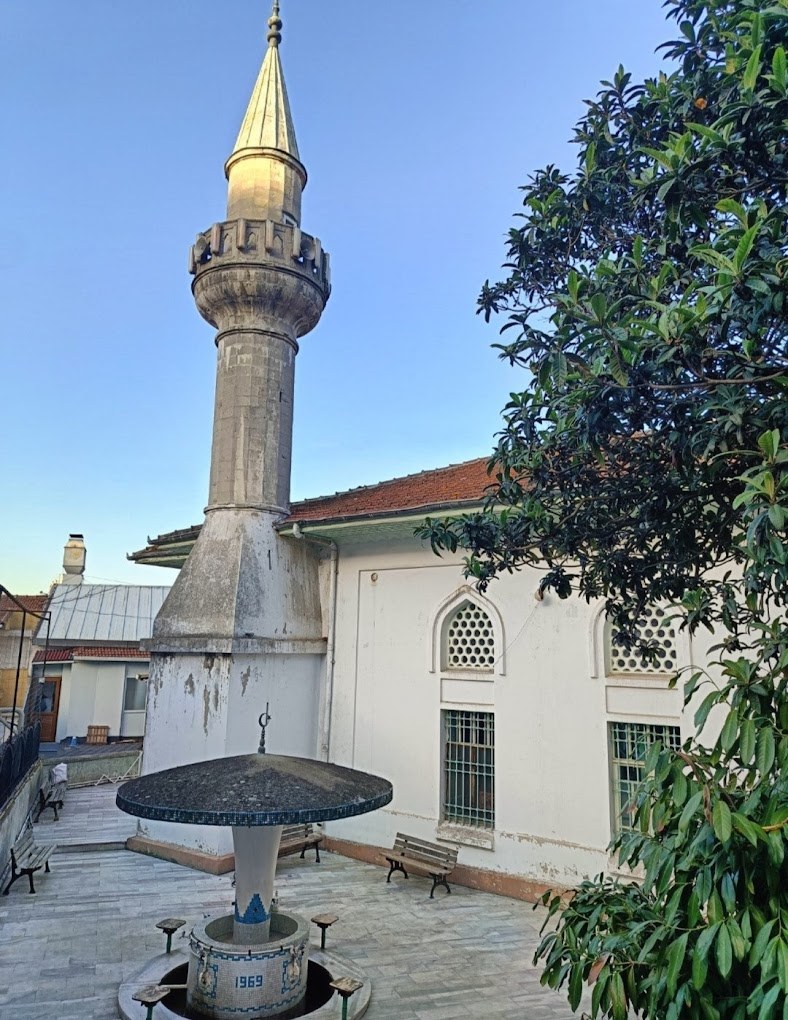
The historical roots of the present structure go back to the palace built by Sultan Murad IV in 1632.
Sultan Mahmud I revived the complex, which had fallen into ruin over time, together with the mosque in 1749.
The mosque, damaged in different periods by disasters such as earthquakes and fires, remained closed to worship until 1931 after the major fire it suffered in 1916.
In 1931, it was rebuilt by the Technical Committee for Construction and Repairs of the Ministry of Pious Foundations, established by Architect Kemaleddin Bey.
In 2026, it underwent an extensive restoration by the General Directorate of Foundations.
Featured Highlights
Today, Sultan Mahmud I Mosque has largely preserved its original character and bears the features of the First National Architectural Movement.
The interior is quite bright thanks to the rectangular windows on the lower level and the pointed-arched windows on the upper level.
The mihrab projects outward from the façade in the form of a niche and is covered with 19th-century Kütahya tiles.
Above the mihrab is a panel written by Mehmed Rıfat Yazgan Efendi, one of the renowned calligraphers of the period.
On the ceiling of the mosque is an octagonal star motif in the traditional Turkish style.