
Changes After Construction
Bayram Pasha, grand vizier during the reign of Sultan Murad IV, added a pulpit to the structure, which had been built as a mescid, and converted it into a mosque.
In the mid-17th century, Karakızzade Şehrî Ali Efendi, one of the important representatives of the Naqshbandi order, had the mosque completely renewed at his own expense. He also established a foundation called the Akçe Foundation to cover the expenses of the mosque and ensure its survival in the following centuries.
It was completely destroyed and reduced to ruins in the great Fatih fire of 1918.
In 1963, it was revived as a masonry structure with the support of the General Directorate of Foundations and charitable local people.
In 2013, a comprehensive restoration added the cemetery, ablution fountain, and service units that are now used for Quran education.
Featured Highlights
It is also known as Pirinççi Masjid.
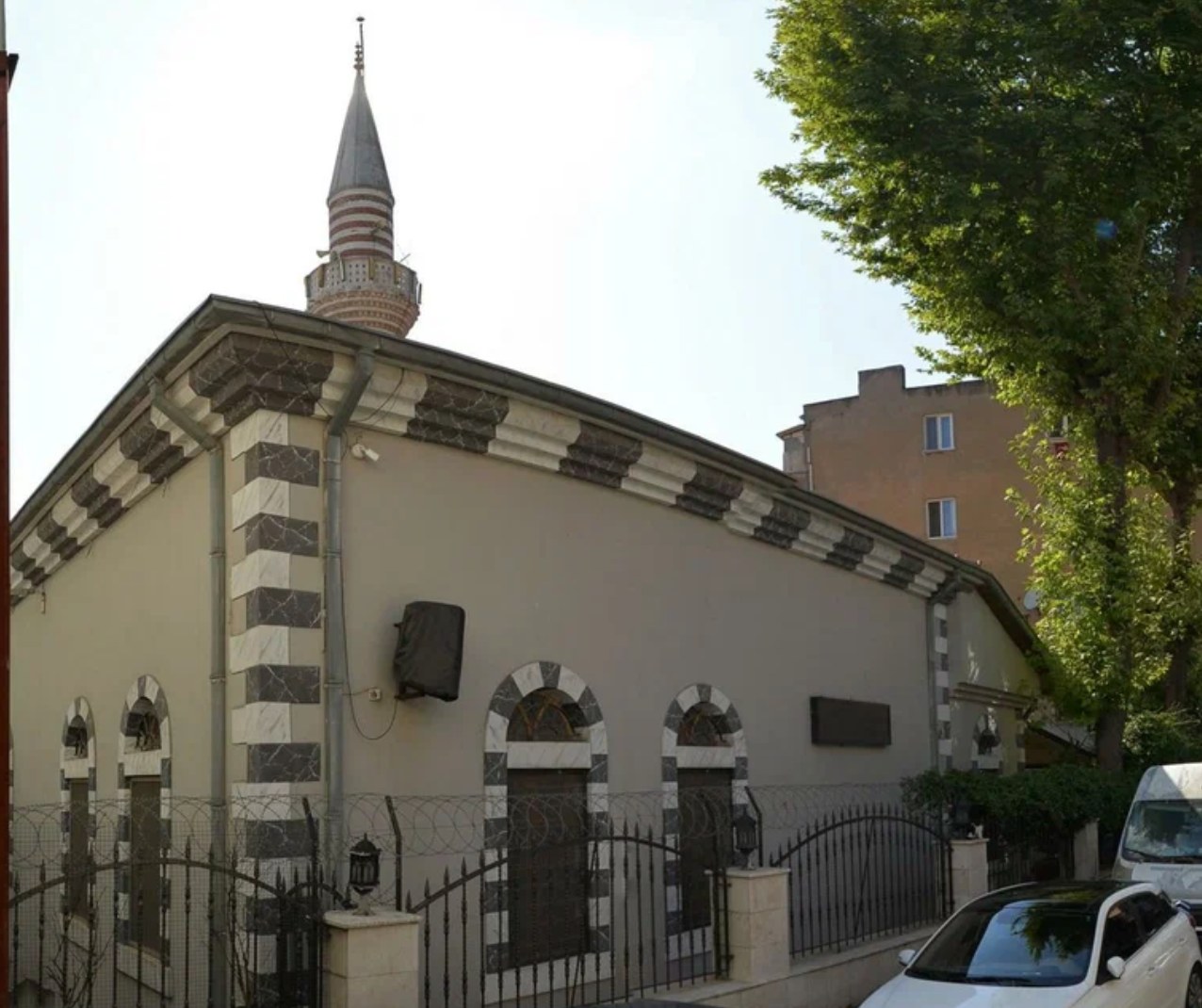
The mosque is a masonry structure, with a concrete ceiling and a tiled roof.
Its minaret has a single balcony and was built with a round shaft of four rows of brick and one row of stone masonry.
In the cemetery in front of the mihrab are buried the patron Pirinççi Hacı Sinan Ağa, Kadı Ali Efendi, İşkenceci Hamza Bali Çelebi, and Şeyh-i Yazdan and Şeyh Süleyman Efendi, both members of the Halvetiye order.
The four-storey residence building stands in front of the mosque. Its upper floor is used as a girls’ Quran course, while the other floors serve as residences for mosque staff.
Pirinççi Hacı Sinan Ağa, who died in 1504, was responsible for supplying rice to the army and the palace. Also known as Madeni Pirinççibaşı, Sinan Ağa served as an administrator responsible for financial and administrative affairs during the construction of the Fatih Mosque.