Changes After Construction
After the Battle of Ankara (1402), it was eliminated together with the other zawiyas in the surrounding area.
With the abolition of the Bektashi order in 1826, control of the lodge passed to the Naqshbandis; the postnişin Âhir Mehmed Baba was exiled to Tire.
From the mid-19th century onward, the lodge revived; a significant part of the structures that survive today belongs to this “second foundation” period.
During the period of Mehmed Ali Hilmi Dedebaba’s sheikhship (1863-1907), extensive building and enlargement works were carried out.
In 1869, repair and expansion works were undertaken; the residential section was added in 1874.
In 1892, a “zenbur house” was built, and in 1896, a space serving as the sheikh’s room was added.
After it was closed in 1925, ownership passed to the Directorate of Foundations; it was used for a time as a residence, then abandoned, and some sections disappeared.
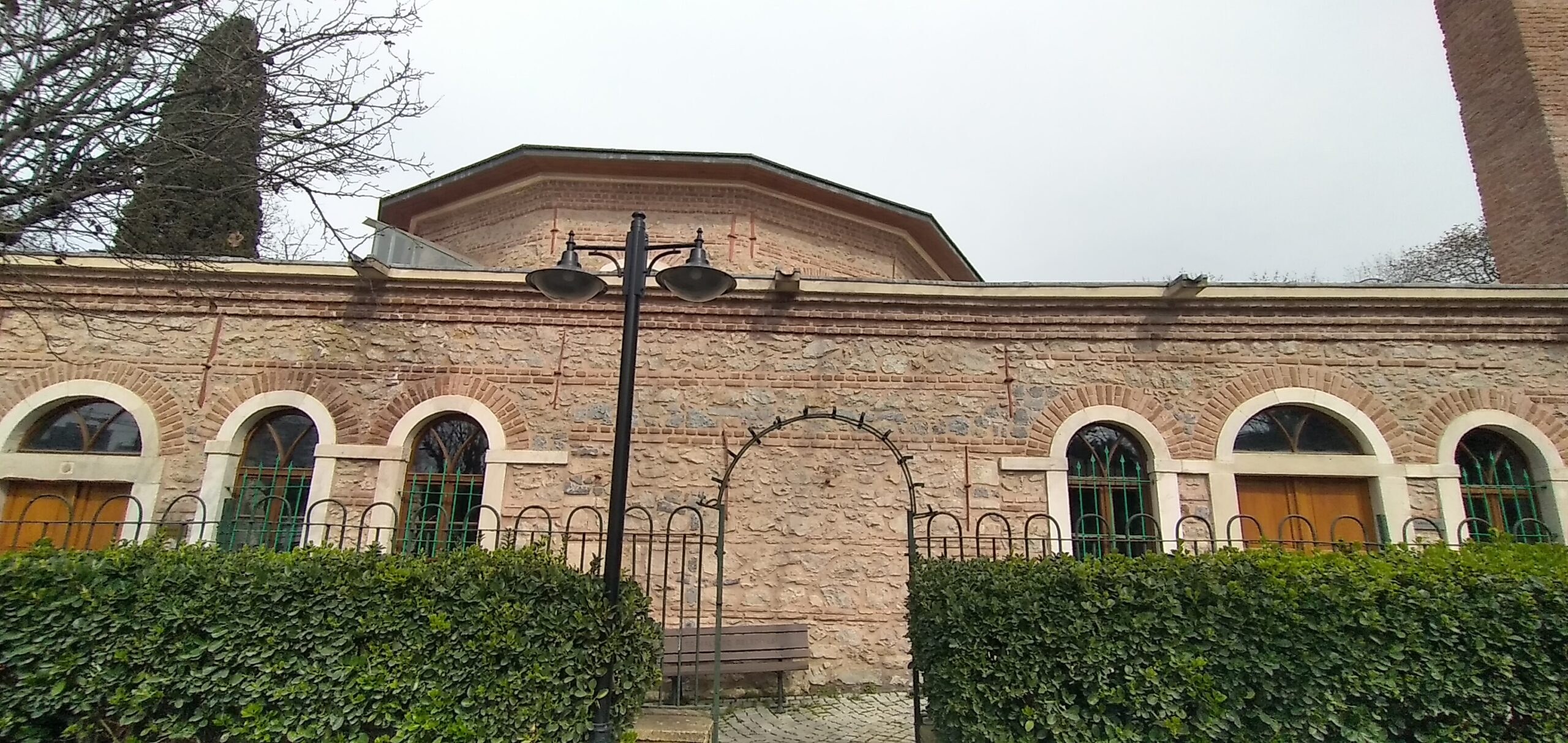
Around 1965, part of the structure was restored; in the recent period, it was brought back into use through restorations carried out in keeping with its original character.
Featured Highlights
It was also known by the names Şahkulu Sultan Lodge and Merdivenköy Lodge.
In Istanbul, it was originally an ahi zaviya, but from the beginning of the 16th century onward it passed into the Bektashi order; it was described as one of the principal centers of Bektashism in Istanbul.
An inscription dated 1874 (Hijri 1291) is located on the main gate; it is understood that the meydan house and the units attached to it took shape in the mid-19th century.
Within the complex, after the main gate, the “kapıcı can” cell and the women’s gallery are arranged in sequence; in the main mass are the residential quarters, small soup kitchen, meydan house, large soup kitchen, laundry, pantry house, bath, and cells.
Its ritual day is Thursday.