Changes After Construction
It was burned down along with 600 other buildings in the Selamsız fire in 1921, leaving no trace of its outbuildings
Selami Ali Efendi Mosque was rebuilt in 1832. During this period, the “Kuru Çeşme,” which gave its name to the area where the mosque is located, was also built
It was rebuilt in 1965 to keep the memory of the great Sufi Sheikh Selami Ali Efendi alive
And it was rebuilt by a philanthropist in recent years.
Featured Highlights
It is one of the most important dervish lodges of the Selamiye order
The area around the mosque developed with the shops, baths, and houses built by Selami Ali Efendi, and became an important district of Üsküdar
The name Selami turned into Selamsız over time and became the name of a region
It has a single minaret and a single balcony
It has a large courtyard and a fountain
Kanuni Edhem Ağa, after whom the street is named, served as the zakirbaşı (the person who recites the hymns and eulogies during dhikr in the dervish lodges, manages the community, and ensures that the dhikr takes place with enthusiasm and love) at the lodge
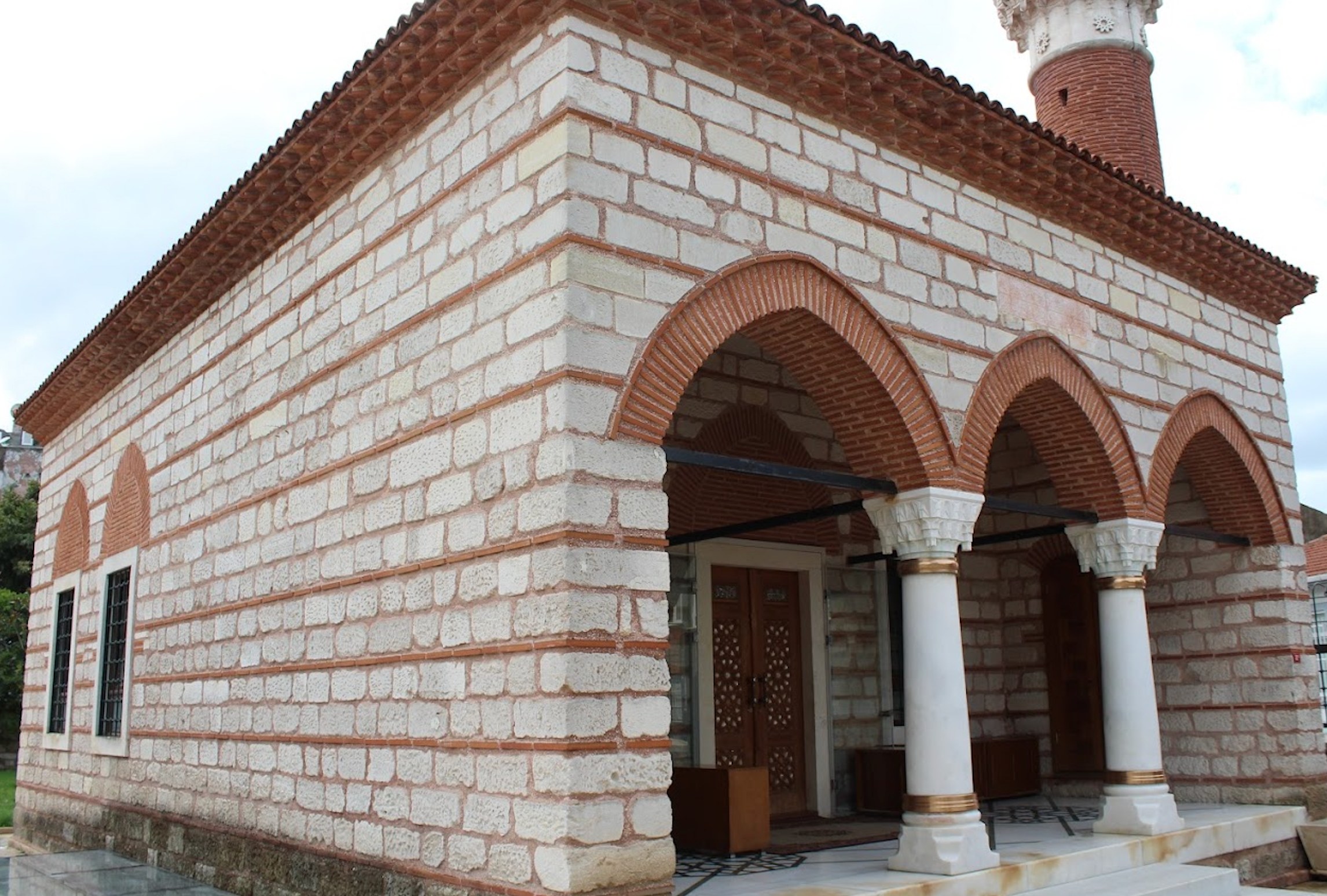
The mosque was built with three rows of bricks and one row of cut stone. Today, it is covered with a material that looks like cut stone
The minaret on the right side is covered with cut stone
It has a magnificent structure and is entered via a two-flight staircase
The narthex, which is seated on pointed arches carried by six columns, is covered with a flat roof
There is a portico with four columns in front
Its single central dome is placed on an eight-sided drum and there are 20 windows at the foot of the dome
The mihrab and the minbar are covered with marble and have verses written on their foreheads
To reduce the pressure of the dome, two-storey external side galleries were built on both sides of the mosque.