
Changes After Construction
It was renovated by Darüssaade Ağası Anber Agha in 1860-1861.
Over time, the bathhouse and school belonging to the mosque were destroyed.
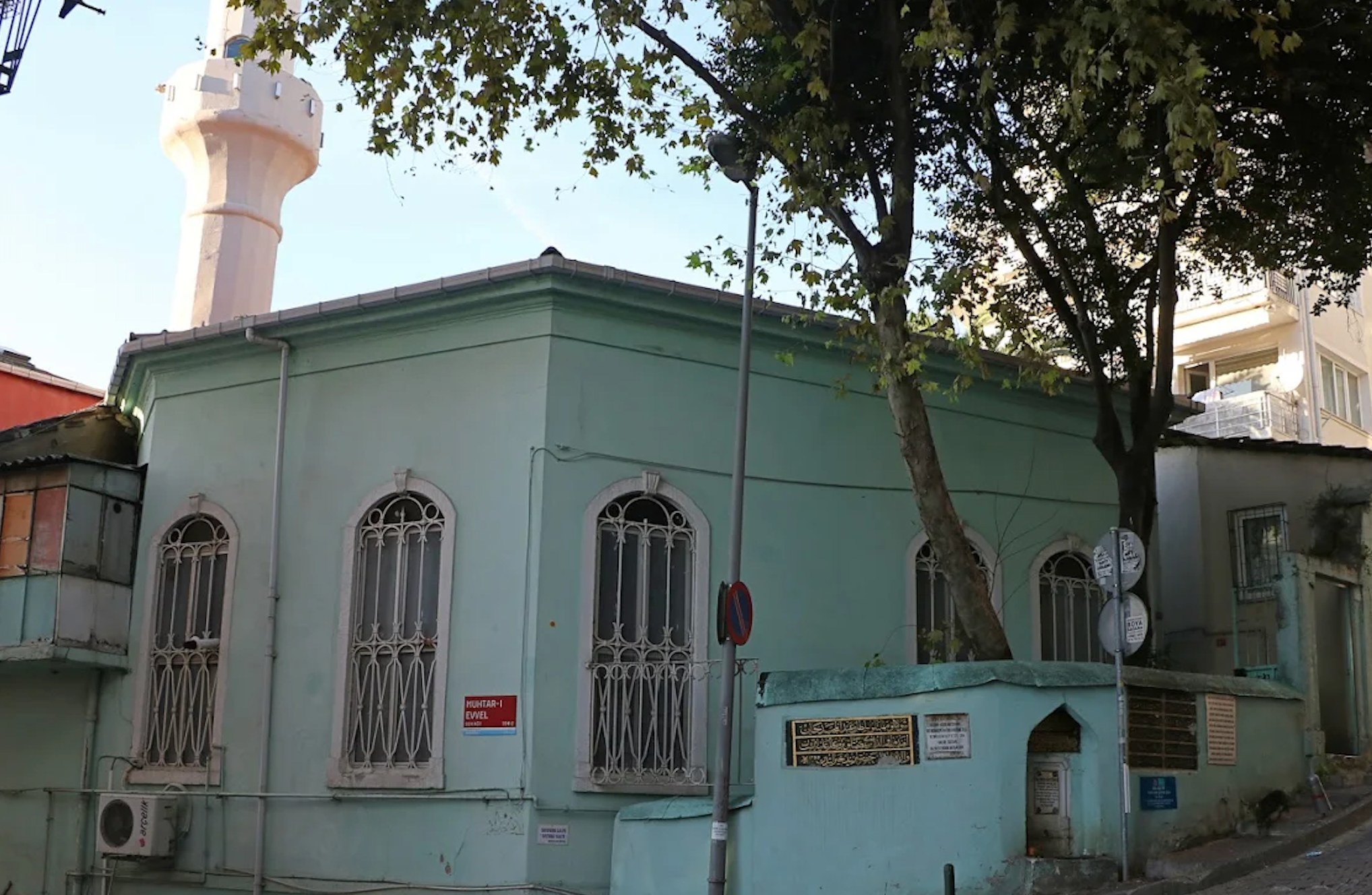
Only the mosque and the fountain have survived to this day.
Featured Highlights
It is also known as Anber Ağa Mosque, Serencebey Mosque, Hazinedar Ağa Mosque and Serhazin Süleyman Anber Ağa Mosque.
It has an irregular plan due to the land it is located on.
It is a small building with a wooden roof and masonry walls.
Next to the mosque, there is a fountain built by Bezm-i Alem Valide Sultan, the mother of Sultan Abdülmecid.
It is entered through the door on the eastern wall of the narthex.
The women's gallery has a structure extending to the Harim with three curved projections resting on thin wooden poles.
The flat wooden ceiling has rectangular and square sections formed by slats and is covered with tiles.
It has a total of 11 large, flat round arched windows.
The windows are surrounded by cut stone jambs on the outside and there are decorations on the keystones.
The mihrab is a simple niche covered with tiles.
There are finely crafted wood carvings on the wooden minbar.
The cut stone minaret bears classical Ottoman architectural elements.