
Person in the Tomb
Yavedud Sultan, whose real name was Abdülvedud Efendi, became known among the people by this name because he frequently recited the phrase “Ya Vedud” — meaning “the Most Loving, the One most worthy of being loved” — from the Beautiful Names of Allah.
According to tradition, he came to Ottoman lands from Bukhara or Khorasan with other spiritual figures in order to take part in the conquest of Istanbul. He supported the army of conquest both spiritually and materially, fought personally in the battle, and was counted among the Ni‘mel Ceyş, the title given to the soldiers who participated in the conquest of Istanbul.
It is said that Yavedud Sultan helped the Ottoman army together with his disciples, was among the first ghazis to enter the city, and was wounded and martyred during the resistance he encountered in front of Hagia Sophia.
Evliya Çelebi records that the phrase “Ya Vedud” was written in red on his chest.
According to some sources, however, he died in 1455, two years after the conquest, leaving behind a spiritual legacy.
Another tradition relates that he prayed so that the people would not be harmed during the conquest, and that his prayers delayed the conquest of Istanbul by forty days.
About the Mausoleum
- Year Built
- Commissioned By
- Architect
- Location
Featured Highlights
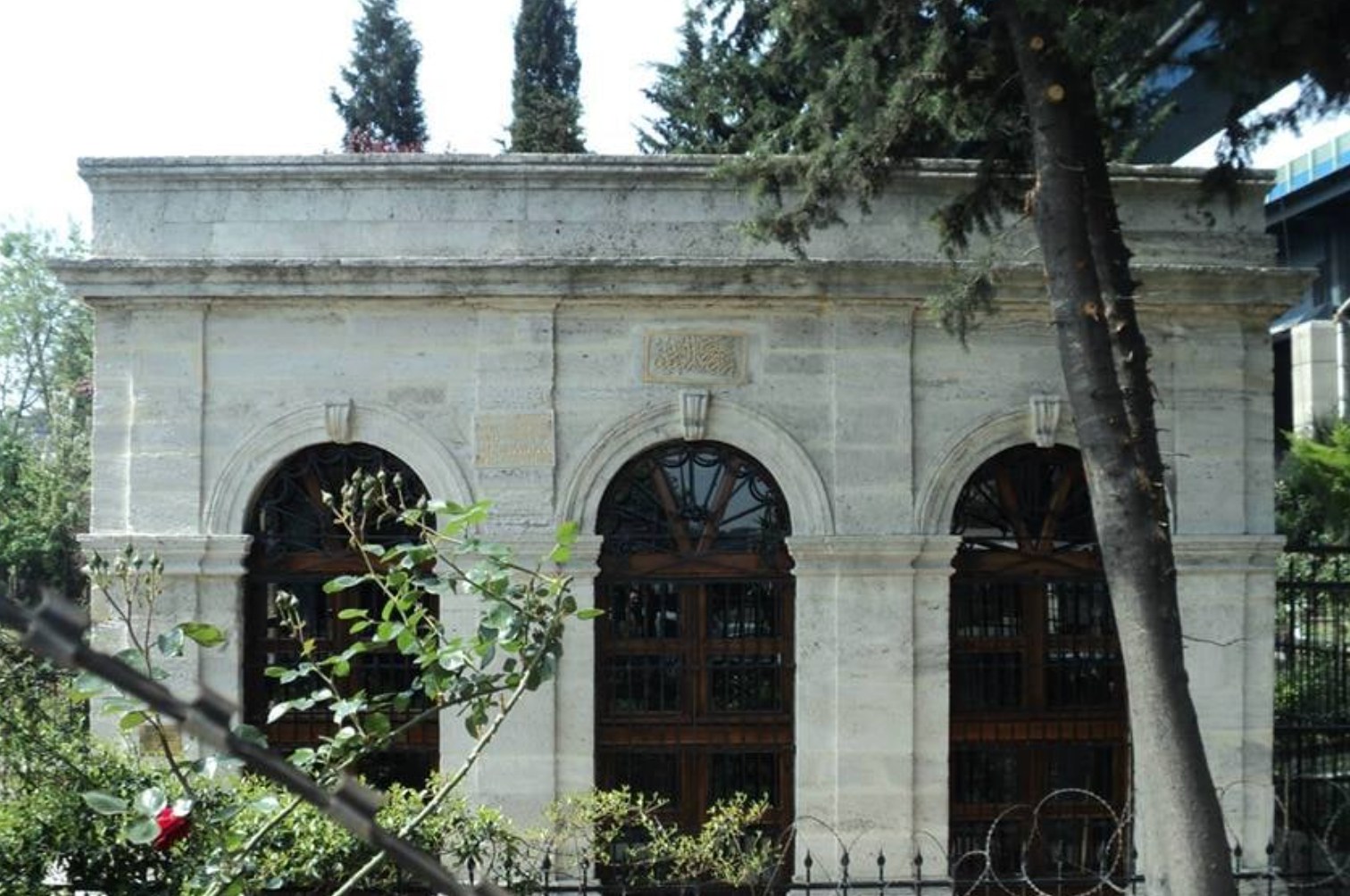
When Sheikh Abdülvedûd Efendi died, he was buried beside the Yâvedûd Tekke, which he had built in his own name.
The tekke and grave were revived in 1711 by Hatice Sultan, daughter of Mehmed IV, and rebuilt in 1876 by Pertevniyal Valide Sultan.
Until the construction of the Golden Horn Bridge in 1974, the tomb stood directly opposite the Ya Vedud Mosque; during the construction of the ring road, it was moved to its present location.
Before it was moved, the tomb stood on an ashlar stone platform and opened onto a sofa reached by a three-step staircase. To the left of the staircase stood the Hazinedar Şemsi Cemal Usta Fountain, dated 1906.
The tomb has a square plan and was built of ashlar stone. It receives light through nine windows; its roof is wooden and covered with tiles.
Opposite the tomb stands a large fountain dated 1856, built by Pertevniyal Valide Sultan and also attributed to Ya Vedud Sultan.
There are four graves inside the tomb.