
Changes After Construction
It underwent its first comprehensive restoration in 1938.
In 1965, a restoration was carried out by the Directorate General of Foundations.
Additional structures such as a madrasah, a shadirvan, a fountain, a primary school and a bathhouse were later added to the original structure of the mosque.
The tiles in the Çinili Hamam ("Tiled Bath") were lost during the renovation in 1964.
Featured Highlights
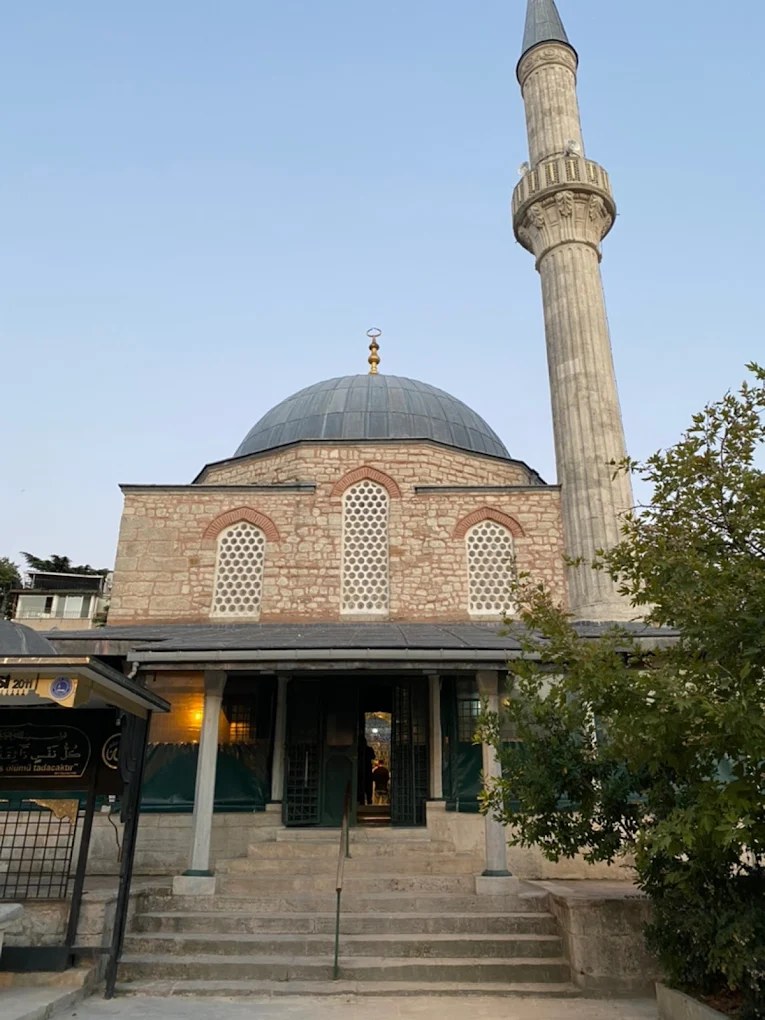
It is also known as the Orta Valide Mosque or Mahpeyker Kösem Valide Sultan Mosque.
It is a square-plan, single-domed mosque reflecting the pre-Baroque period of Ottoman architecture, and its interior features extremely rare Kütahya-made tiles.
The tile decorations of the mosque are among the last examples of classical Turkish tile art and display the elegance of the late Ottoman art.
The madrasah and primary school were built in a scattered manner, in accordance with the slopes of the land, independent of the traditional social complex layout.
The fountain, one of the striking features within the mosque complex, is decorated with a specially designed wooden roof.
All building units were placed in corners in relation to the surrounding roads, and a dynamic environmental order was provided with structures such as fountains and fountains.