
Changes After Construction
According to historical sources, Çoban Çavuş Mosque was built in the 17th century by Çavuşbaşı Süleyman Agha; this title is associated with the Ottoman military-fiscal organization of the period.
The earthquake in the 19th century and other factors caused damage to the mosque, and the structure underwent repair.
In 1937, some parts of the mosque were demolished within the scope of the plan to widen Koca Ragıp Pasha Avenue; since the intervention remained incomplete, the structure fell into ruin.
In 1959, the remaining parts were also completely demolished, and the monument remained as an empty plot for a long time.
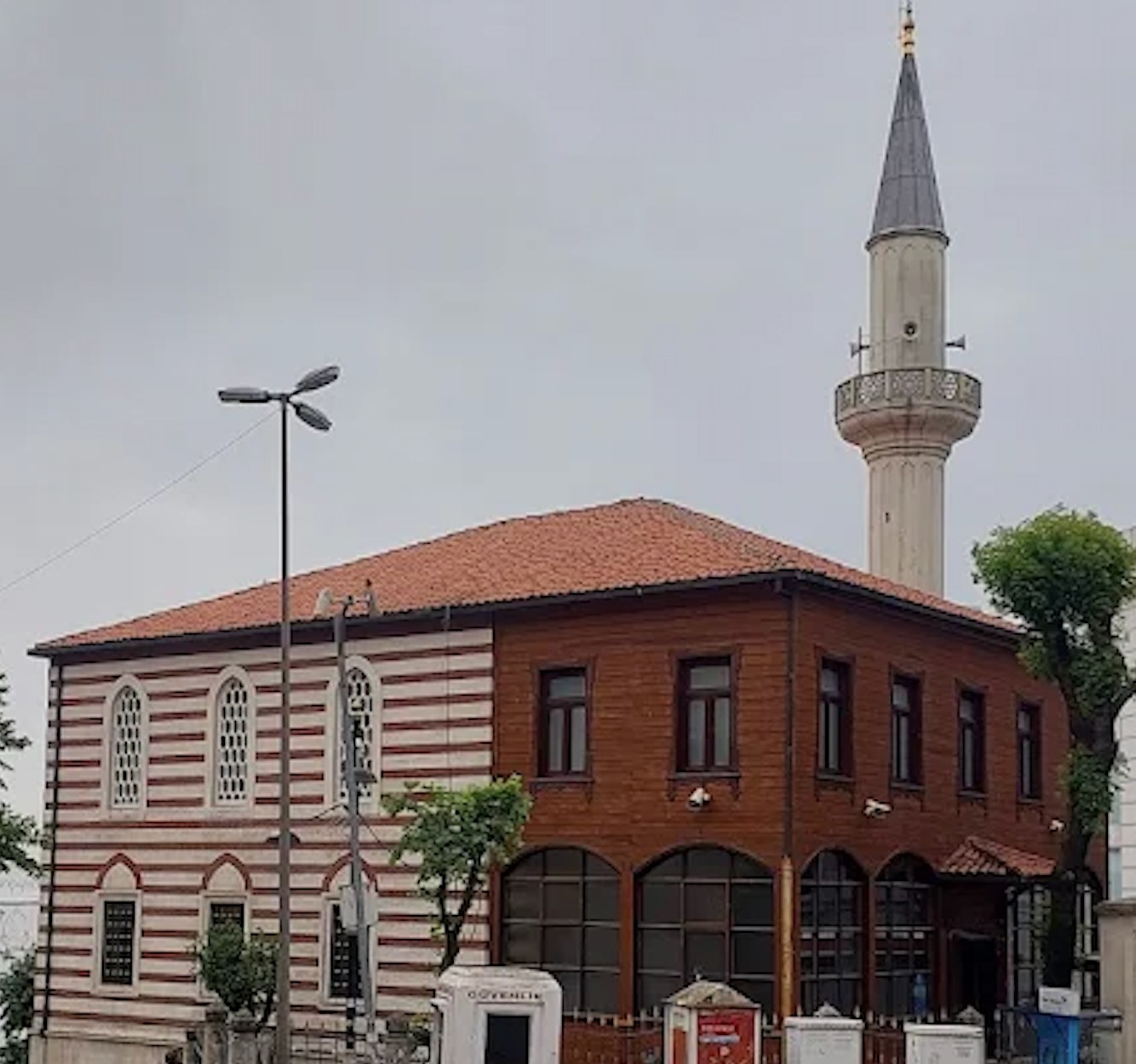
In the 2000s, reconstruction works were initiated with public support and institutional contributions; the mosque was completed in 2002 and opened for worship.
Featured Highlights
Çoban Çavuş Mosque is one of the Ottoman-period worship structures dated to the 17th century and located around Fatih’s Mimar Kemalettin neighborhood.
The structure was originally built with a rectangular plan and an architectural approach with a wooden roof and tile covering, and this feature is a typological example rarely seen in the urban area.
There were once a madrasa, a fountain, and a large graveyard around the mosque; these elements reflect the classical-period social and religious functions of the structure.
The presence of a carved marble wall 1 meter high around the courtyard and the marble details are a regional reflection of traditional Ottoman stone workmanship.
Revived again in 2002, the mosque is an active structure that combines its historical identity with contemporary worship practice and continues its continuity in the neighborhood context.