
Changes After Construction
The inscription above the mosque gate states that the structure is also a madrasa Dar al-Hadith and gives the construction date as 1132 (1719–1720).
It is recorded that the mosque and the madrasa were completed in 1720 and that an opening ceremony was held on 22 May 1720.
In the list dated 2 September 1914, it is stated that the madrasa had seventeen rooms and three later-added barracks; the rooms were noted as suitable in terms of ventilation and sunlight.
In 1959–1960 the structure was restored by the Directorate of Foundations; during this process the spaces between the porticoes were enclosed with glass panels.
Featured Highlights
The complex is defined by a plan arrangement established on the main street with mosque, madrasa, library, sebil, fountain, and market components.
The madrasa was designed with the function of a Dar al-Hadith.
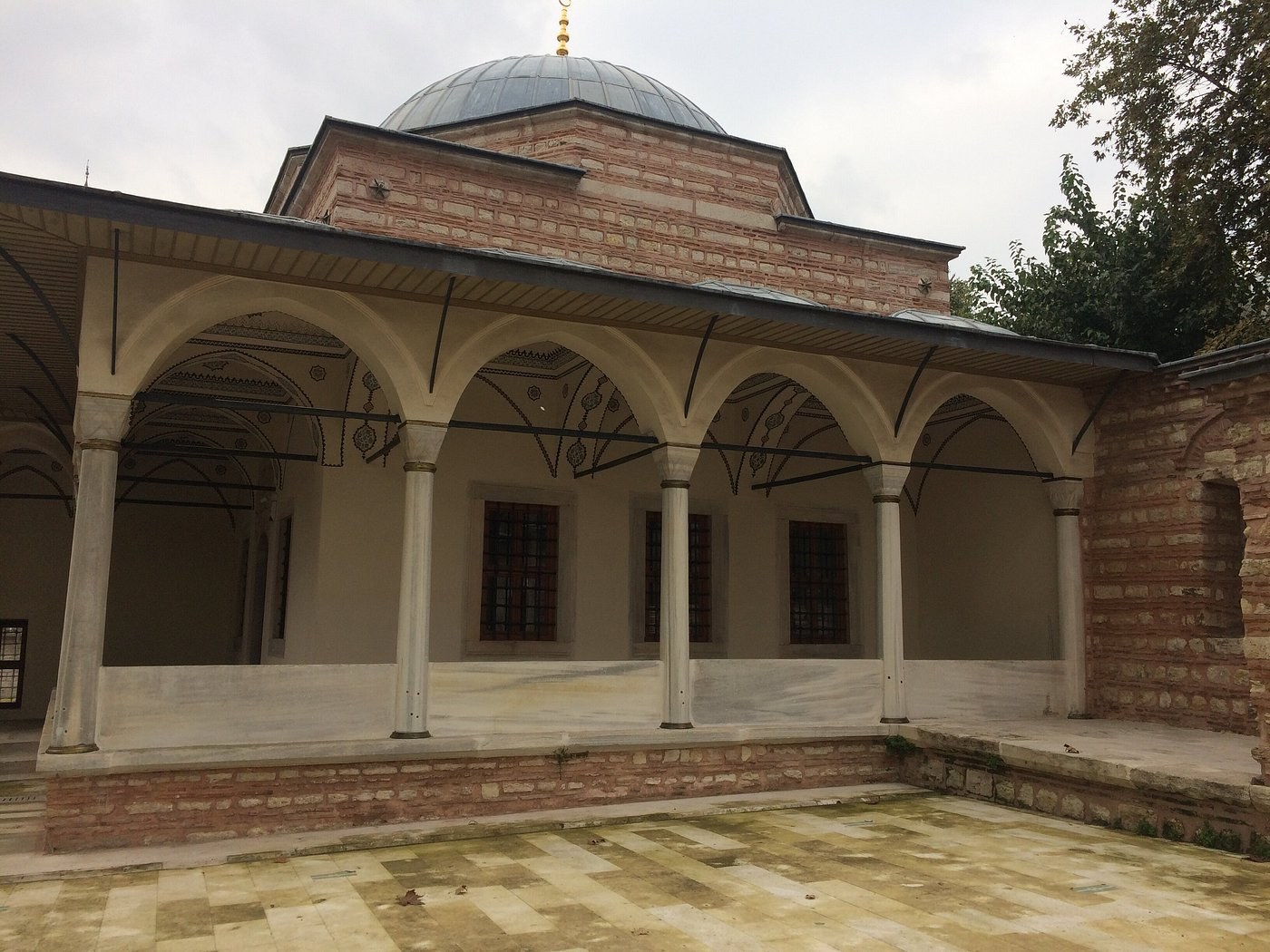
The courtyard is surrounded on two sides by porticoes and the domed cells behind them; it is recorded that the madrasa had thirteen domed rooms.
Three rooms located in the sebil row have a rectangular plan and are covered with mirror vaults; it is stated that there was no portico in front of these three rooms.
In the madrasa section, it is recorded that three latrines were located at the end of a narrow corridor in the left corner.