
Changes After Construction
It is understood from Ottoman-period waqf and inventory records that Defterdar Yahya Efendi Mosque was commissioned by Defterdar Yahya Efendi in the 16th century.
By virtue of its location, the structure served as a neighborhood masjid within the dense settlement fabric around Süleymaniye.
It is known that the mosque was damaged as a result of the fires and earthquakes that occurred in Istanbul in the 19th century and that it underwent repairs in this period; however, documents regarding the details of these repairs are limited.
During the development activities in the surrounding area in the Republican period, the immediate surroundings of the structure changed, and the mosque remained within a narrower space in the urban fabric.
Today, the structure continues its function of worship and is used as a neighborhood mosque.
Featured Highlights
Defterdar Yahya Efendi Mosque is one of the structures around Süleymaniye that reflect the tradition of 16th-century Ottoman neighborhood mosques.
Its also being known as “Yolgeçen Mosque” points to its location within the dense urban fabric surrounded by narrow streets and passageways.
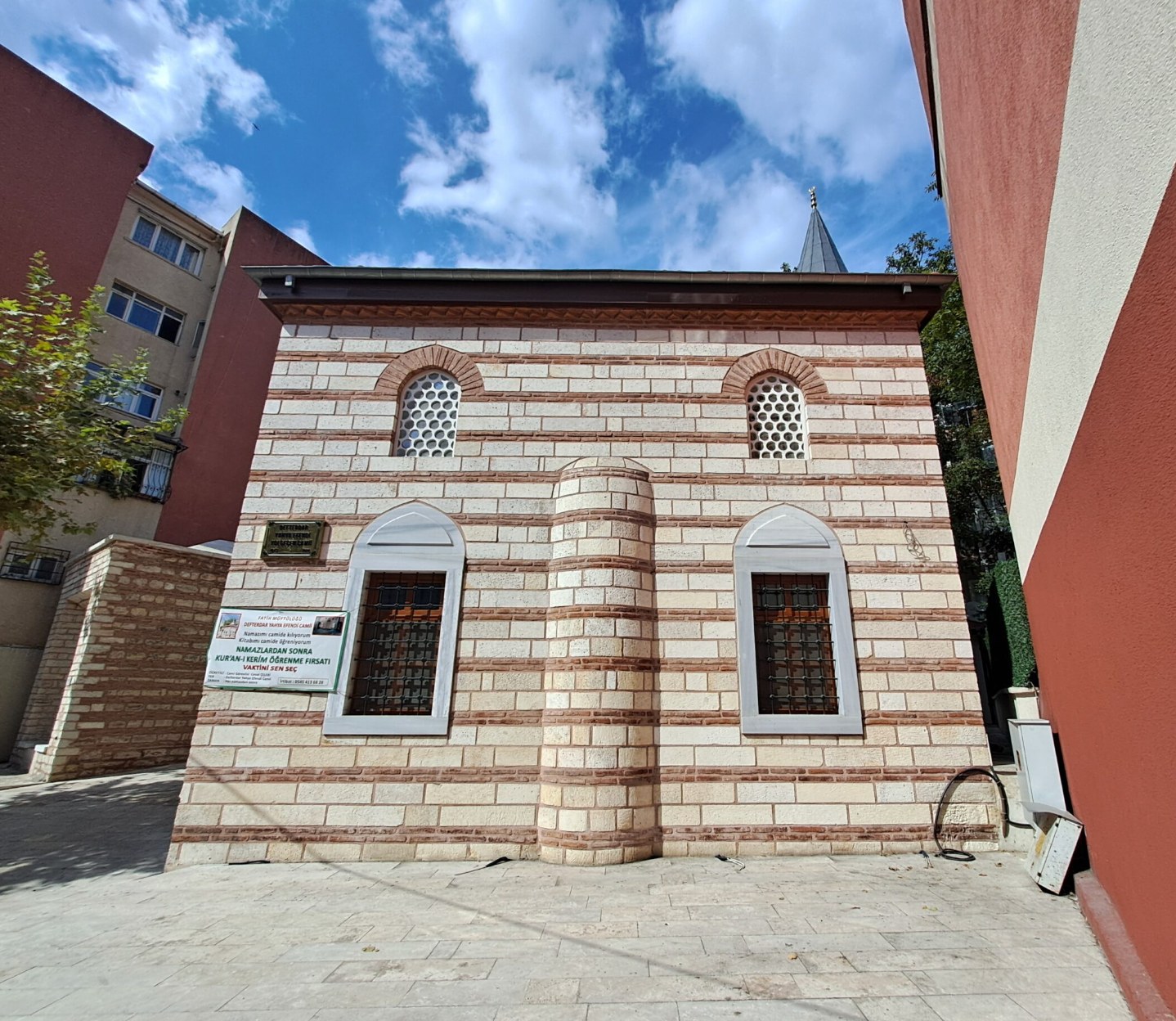
With its small scale and plain architecture, the structure reflects the classical Ottoman masjid understanding that prioritizes functionality over ornamentation.
By virtue of its location, as a part of the historical built environment around the Süleymaniye Complex, it is a place of worship that contributes to the religious and social continuity of the area.
Today, the mosque continues its existence both as a place of worship and as a neighborhood structure with high representative value that helps in understanding the historical fabric around it.