
Changes After Construction
It was demolished for an unknown reason during its first construction period.
It was revived by Silahtar Mustafa Pasha in the 1673–1674 period.
The mosque was largely damaged in the fire of 1915, and only the base of the minaret was able to be taken to museum.
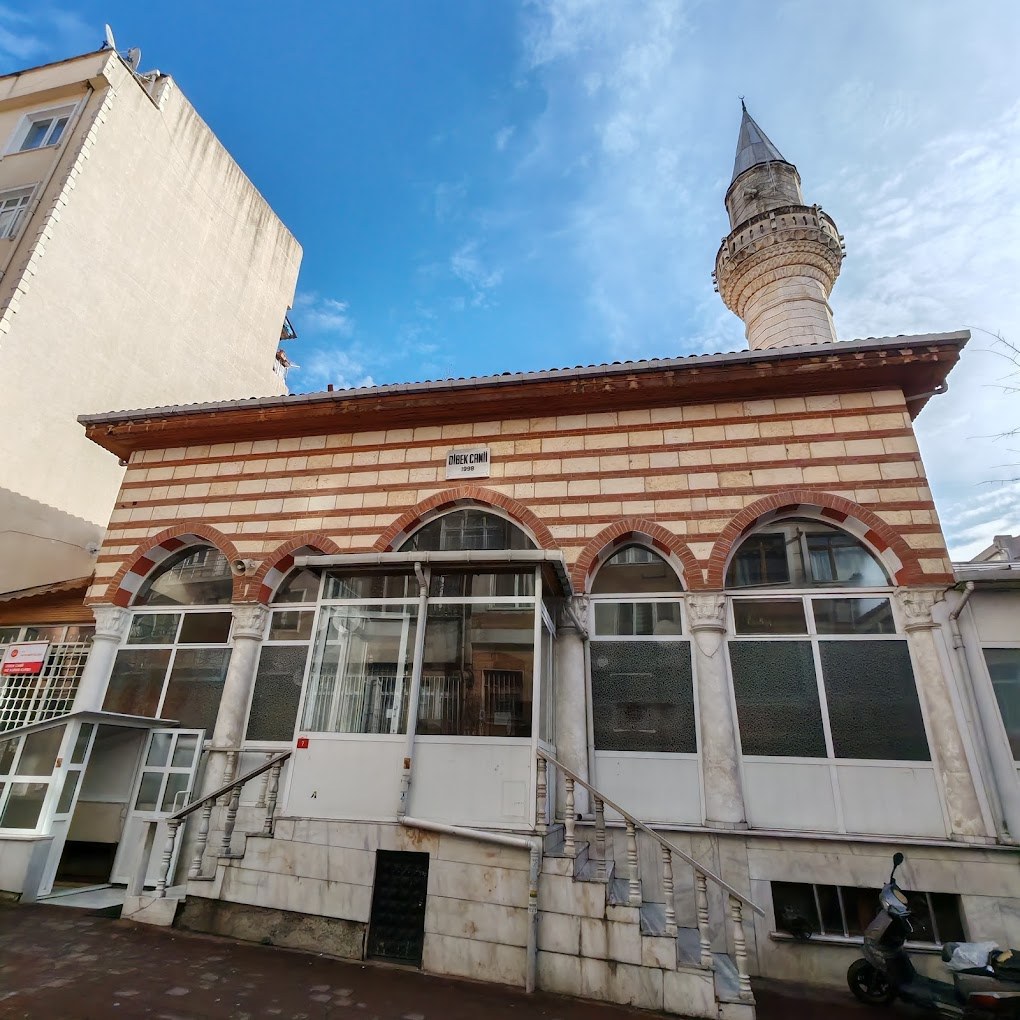
It was rebuilt and opened for worship in 1998 with the help of the Parmakkapı Wisdom and Service Foundation and the public.
Featured Highlights
It was built from cut stone.
Access to the interior is via several marble stairs.
The interior walls, minbar, pulpit and mihrab are covered with Kütahya tiles.
The women's gallery and ceiling, which sit on three pillars, are made of concrete.
It has a tile-covered, wide-eave structure.
Its single-balcony minaret is made of stone and reflects the traditional architectural texture.
There is a Girls' Quran Course on the lower floor of the mosque, which is entered through a small narthex.