
Changes After Construction
It is understood from Ottoman-period maps and inventory records that Dokurhan Mosque was built in the 16th century.
The structure took its name from Dokurhan, located in the area where it stands and associated with weavers; in connection with the commercial activities around it, it functioned as a neighborhood masjid.
It is known that the mosque was damaged during the fires and earthquakes that occurred in Istanbul in the 19th century, and that it underwent repairs in this period; however, detailed documents regarding these repairs are limited.
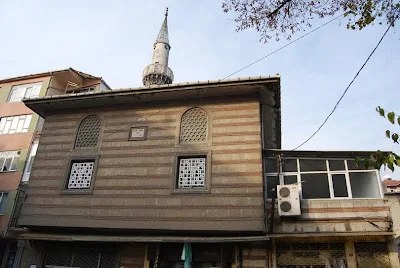
As a result of the development activities carried out in the surrounding area during the Republican period, the immediate surroundings of the structure changed, and the mosque remained within a narrower space in the urban fabric.
Today, the structure continues its function of worship and is used as a neighborhood mosque.
Featured Highlights
Dokurhan Mosque is one of the structures in Fatih district that reflect the tradition of small-scale neighborhood mosques of the Ottoman period.
The area where the mosque is located is historically a settlement associated with trade and craft activities, and this is important for understanding the position of the structure within the neighborhood fabric.
With its plain architecture and small scale, the structure represents the classical Ottoman masjid understanding that prioritizes functionality over ornamentation.
Dokurhan Mosque is a neighborhood structure positioned within the surrounding historical built environment to meet local worship needs.
Today, the mosque continues its existence as an active place of worship representing historical continuity in its surroundings.