Changes After Construction
In the survey report dated 2 September 1914, the structure was recorded as damp and in a ruined condition; it was noted that there was no water in the fountain together with the classroom and seventeen rooms.
After the fire of 1918, those whose houses burned used the structure as a shelter.
Around 1963 the structure entered a process of evacuation; repairs were carried out in 1966–1968.
After the demolition of the adjacent Nuri Bey Mansion, a student dormitory built on the site led to the madrasa being used as an annex of the dormitory.
Featured Highlights
It is located in the Vefa district, opposite the Molla Hüsrev Mosque.
The porticoes surrounding the rectangular courtyard are carried by nineteen marble columns with baklava-capitals.
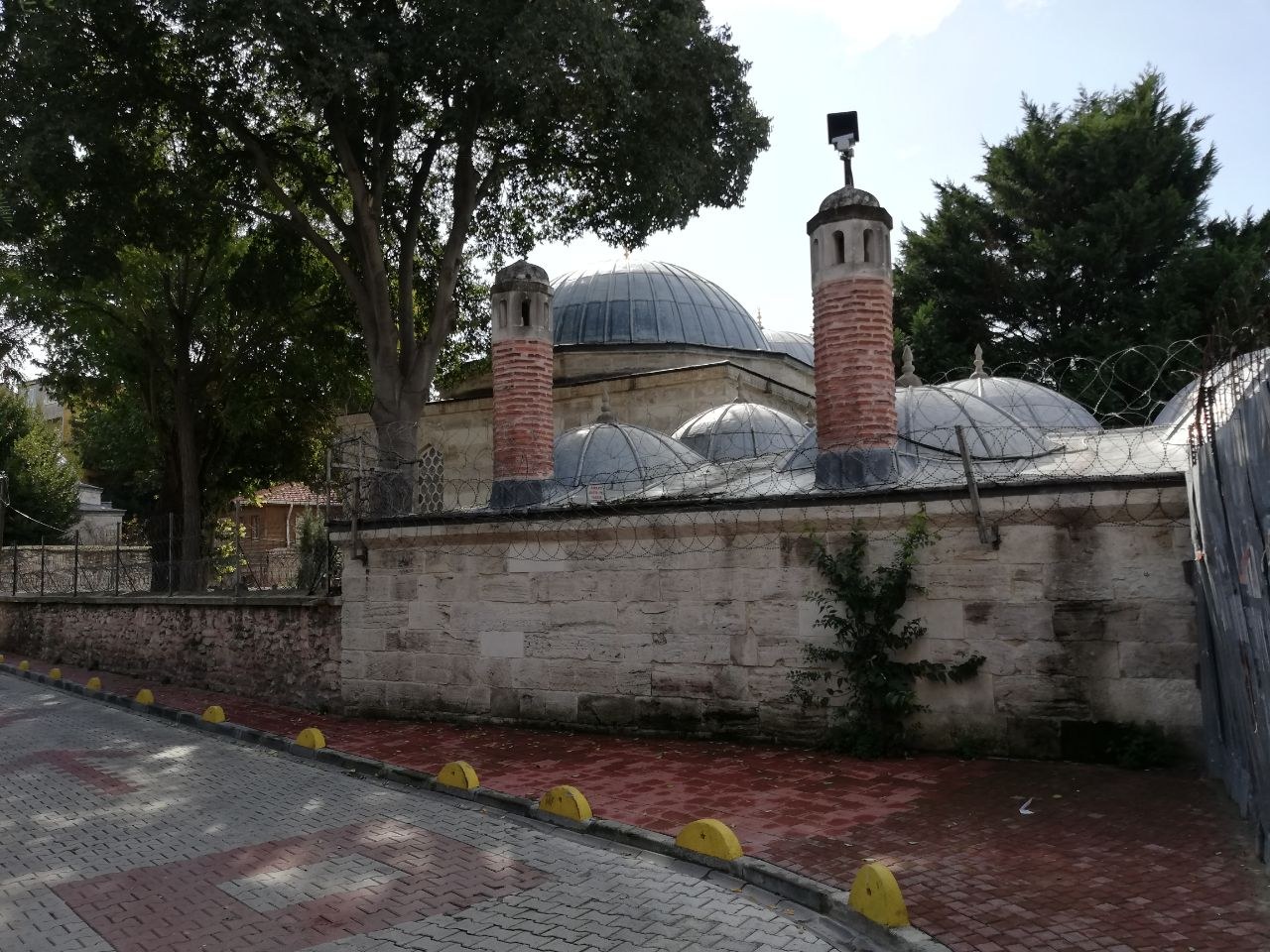
The porticoes are domed; the cells behind the courtyard are also covered with domes.
On the south side of the courtyard there is a large domed masjid-classroom, illuminated by two tiers of windows.
A domed tomb adjoins the madrasa; nine sarcophagi are located inside the tomb.
A sebil is located at the corner where the graveyard wall meets the tomb; the madrasa–tomb–sebil ensemble emphasizes the religious and charitable character of the structure.