
Changes After Construction
After its initial construction, it underwent repairs and renovations at various periods.
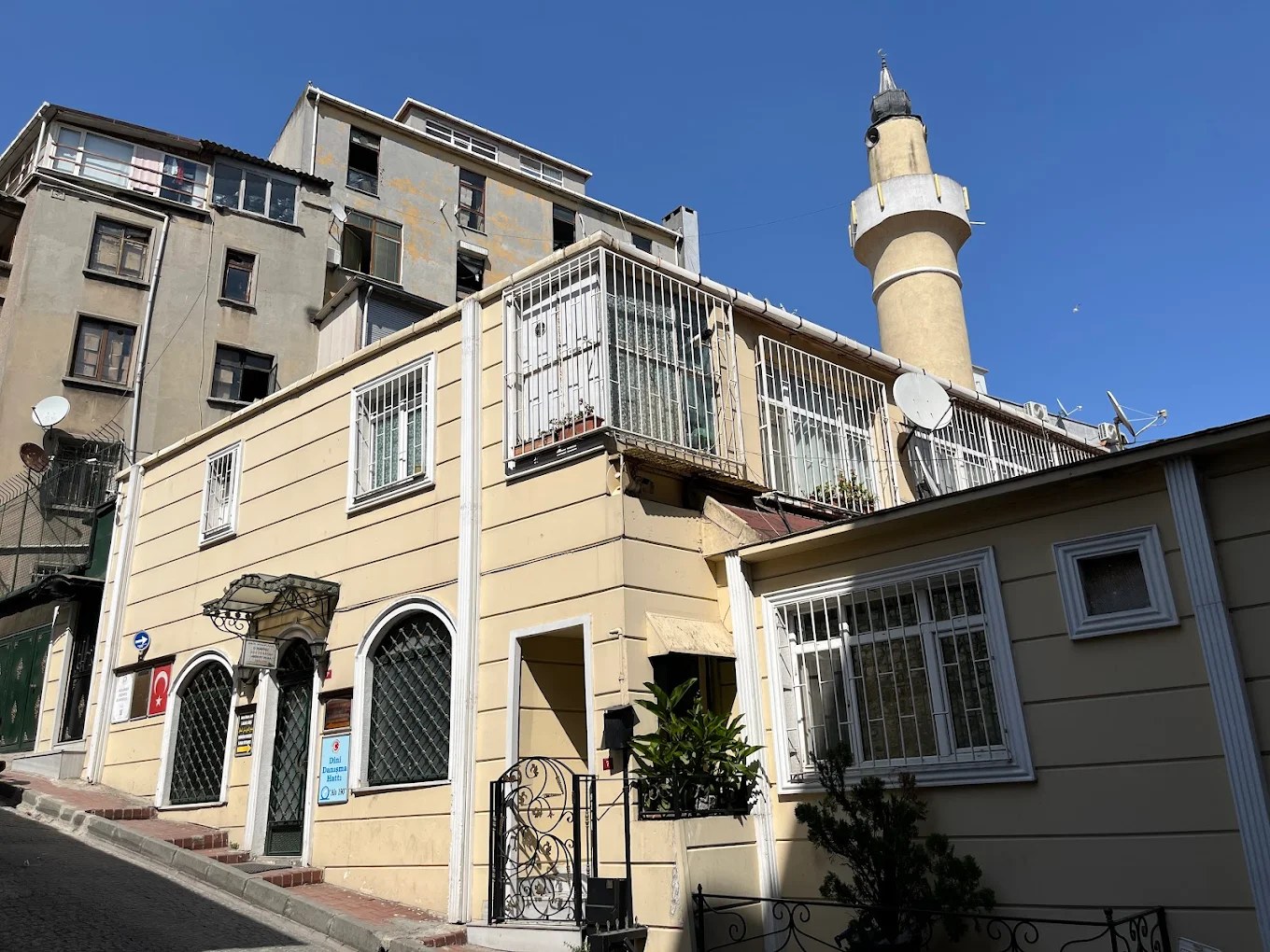
The building, which fell into disrepair during the reign of Sultan Abdulhamid II, was rebuilt and renovated in a different style.
Later, because of the renovation works carried out with modern techniques in the 1990s, the mosque was rebuilt in reinforced concrete.
Featured Highlights
The mosque has a rectangular plan, and its garden can be accessed through two doors.
Its roof has a tiled, wide-eave structure that bears traces of traditional Ottoman architecture.
Inside, the minbar, mihrab and pulpit are decorated with Kütahya tiles; the ceiling is elegantly covered with striped wood material.
The lower windows of the mosque, which has a total of 5 windows, are covered with paneling raised from the ground.
The existence of a women's gallery is an important element that increases the worship functionality of the mosque.
Its single-balcony minaret was built with cement plaster and presents the traditional architectural texture with a modern interpretation.