
Changes After Construction
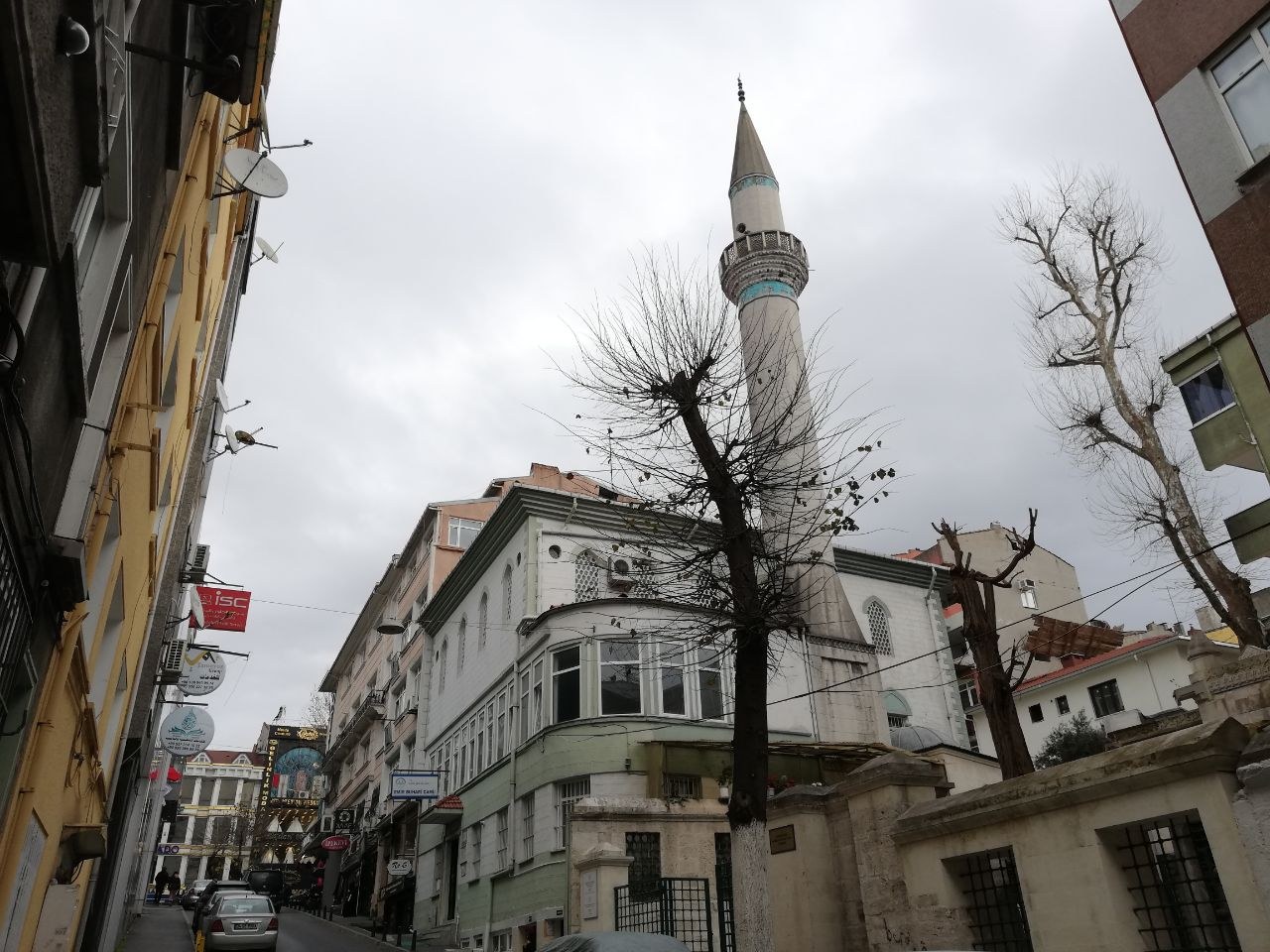
The structure was built by Sultan Bayezid II as the mosque of the Naqshbandi tekke settlement that formed around Emîr Buhârî. Most of the buildings belonging to the tekke disappeared over time.
Its pulpit was added by Bayram Pasha, one of the grand viziers of Sultan Murad IV, thereby converting it into a mosque.
Damaged over the years by fires and later left abandoned, the mosque acquired its present form in 1965 with the support of local people and the Mosque Revival and Protection Association.
Featured Highlights
The structure was also known as the mescid-tevhidhâne, or tekke prayer hall, of the Naqshbandi tekke settlement.
Emîr Buhârî was among the first Sufis to spread the Naqshbandiyya in Istanbul. As the number of seekers increased, Bayezid II had a mosque and dervish cells built here, transforming the site into a Naqshbandi tekke.
Some objects said to have belonged to Emîr Buhârî, such as a staff, fez, saddlebag, sword, and sheath, are preserved inside the mosque.
Emîr Ahmed Buhârî is buried in his tomb adjoining the mosque. In the cemetery in its courtyard are the graves of many Naqshbandi sheikhs, especially Memi Can Efendi.