
Ahmed Hamdi Efendi
Profile summary
Highlights
Ahmed Hamdi Efendi was born in 1848 in the village of Biçme in the Çarşamba district of Samsun as the son of the village teacher Mustafa Efendi. The nisba Çeharşenbevî indicates that he was from Çarşamba. After his first education in his village, he studied Arabic and the religious sciences first at the Çarşamba Süleyman Paşa Madrasa and then in Amasya.
In 1288 he came to Istanbul; he studied with well-known teachers of the period and received ijazah from Kayserili Hacı Derviş Efendi. In 1295 he passed the ruûs examination and began teaching at Beyazıt Mosque. Dersiâmlık was a title used for teachers authorized to give lessons to students and the public in the great mosques.
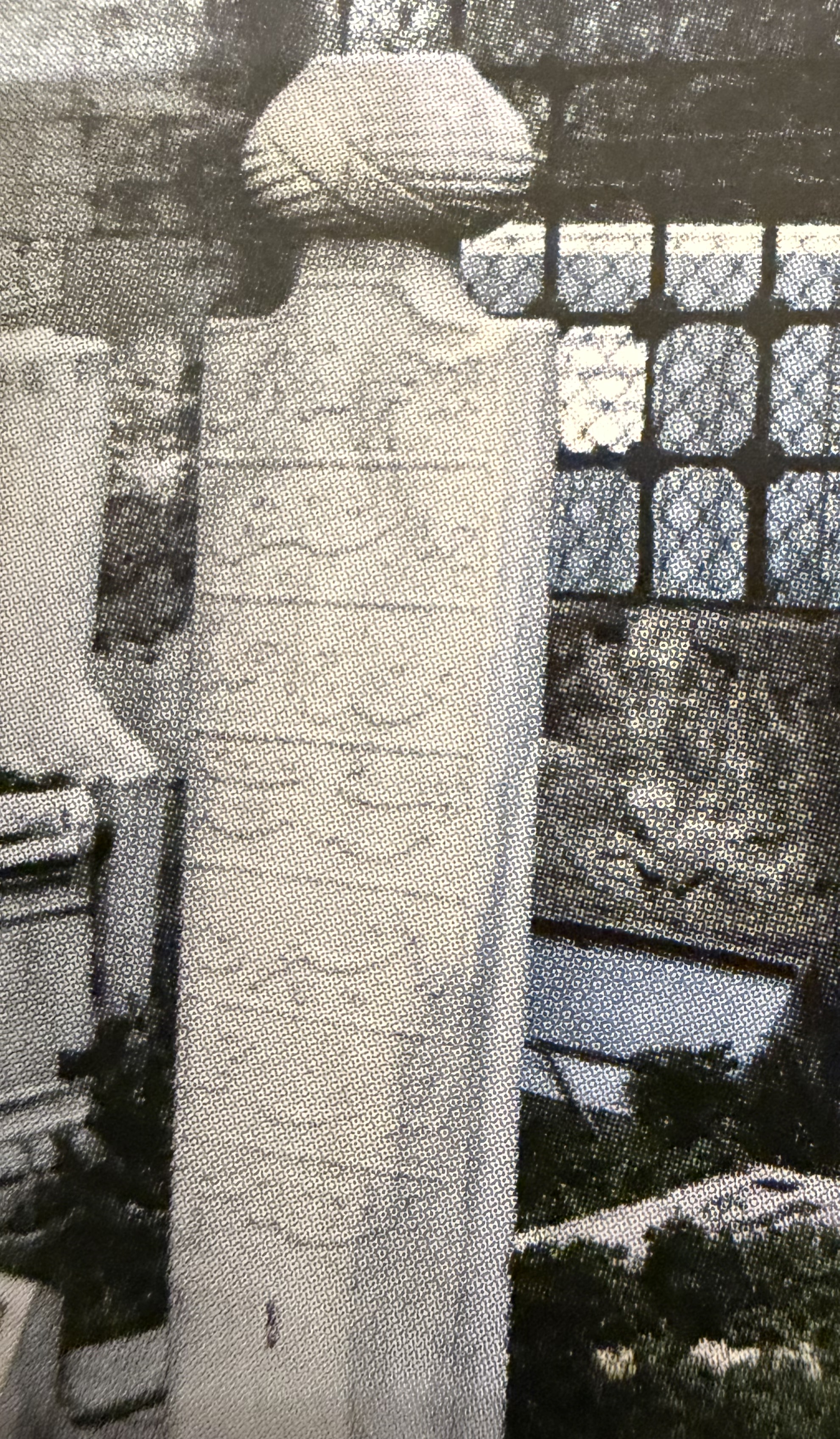
Through his long teaching activity, Ahmed Hamdi Efendi trained many students. The phrase “Üstâd-ı küll” on his gravestone is a powerful title showing that he was remembered not merely as a mosque teacher, but as a scholar known in wide circles for his teaching and scholarly authority.
He participated in the Huzur Dersleri first as a muhatap and later as a mukarrir. These were Qur’anic commentary lessons held before the sultan during Ramadan; the mukarrir was the scholar who presented the lesson, while the muhatap was the scholar who took part in the scholarly discussion.
Ahmed Hamdi Efendi also served in the Fetvahâne within the office of the Şeyhülislam, and in 1908 entered the Chamber of Deputies as deputy for Canik.
Among his students were figures who left a mark on late Ottoman religious and legal circles. Ahıskalı Ali Haydar Efendi, Ebül‘ulâ Mardin, Mimarzâde Mehmed Ali Bey and his son Kemaleddin Birsen stand out in this circle.
He died on 29 Ramadan 1330, corresponding to 11 September 1912, and was buried in the Fatih Mosque Cemetery.
Epitaph
This grave belongs to Çarşambalı Hacı Ahmed Hamdi Efendi, learned in every field. For the sake of Allah, a Fatiha for his soul. 11 September 1912.
A Fatiha for his/her soul