
Ahmed Tahir Memiş Efendi
Profile summary
Highlights
Ahmed Tâhir Memiş Efendi was born in Maraş in 1885 as the son of Berberzâde Nef‘î Efendi, one of the clerks of Maraş Province, and Esma Hanım of the Hızanoğulları family. He spent his childhood in Maraş and completed his madrasa education in Kayseri. He later came to Istanbul together with Hüseyin Avni Konukman and Yozgatlı Yûsuf Bahri Nefesli, and graduated from both the Mathematical and Natural Sciences branch and the Law branch of the Darülfünun.
During the First World War, Ahmed Tâhir Efendi served as legal adviser to Vehib Paşa, commander of the Third Army on the Caucasus front. He was then appointed judge of Suşehri in Sivas Province and served there as both judge and acting district governor until 1919, the year of the Sivas Congress.
After returning to Istanbul, he became a dersiâm of Beyazıt Mosque. When the office of dersiâm was abolished, he continued as a preacher at Hagia Sophia Mosque.
His Sufi life was shaped by his initiation into the circle of Ahmed Amiş Efendi, the tomb caretaker of Mehmed the Conqueror. After Ahmed Amiş Efendi, he attached himself to Bosnalı Mehmed Tevfik Efendi; following Tevfik Efendi’s death in 1927, he continued the work of spiritual guidance in the Halvetî-Şâbânî path. After the Surname Law, he took the surname “Memiş” in honour of his master Ahmed Amiş Efendi.
Ahmed Tâhir Efendi was known as a teacher well versed in Arabic, Persian and old Turkish literature. In his sermons he would recite verses from Mevlânâ Celâleddîn-i Rûmî’s Mesnevî and Dîvân-ı Kebîr after Qur’anic verses and hadiths, explaining them in plain language. After Hagia Sophia was turned into a museum, he continued his sermons on Fridays at Sultan Ahmed Mosque and on Sundays at Nuruosmaniye Mosque.
His circle of conversation was not limited to the tekke environment. He met people from many different backgrounds at the Küllük Coffeehouse in Beyazıt, in his room at the Beyazıt State Library, at his house in Koska and, during the summer months, at Sultan Vahdeddin’s Pavilion in Çengelköy. He was part of the same circle of learning and conversation as figures such as Muzaffer Ozak, Fethi Gemuhluoğlu, Babanzâde Ahmed Naim, Neyzen Tevfik and Abdülbaki Gölpınarlı.
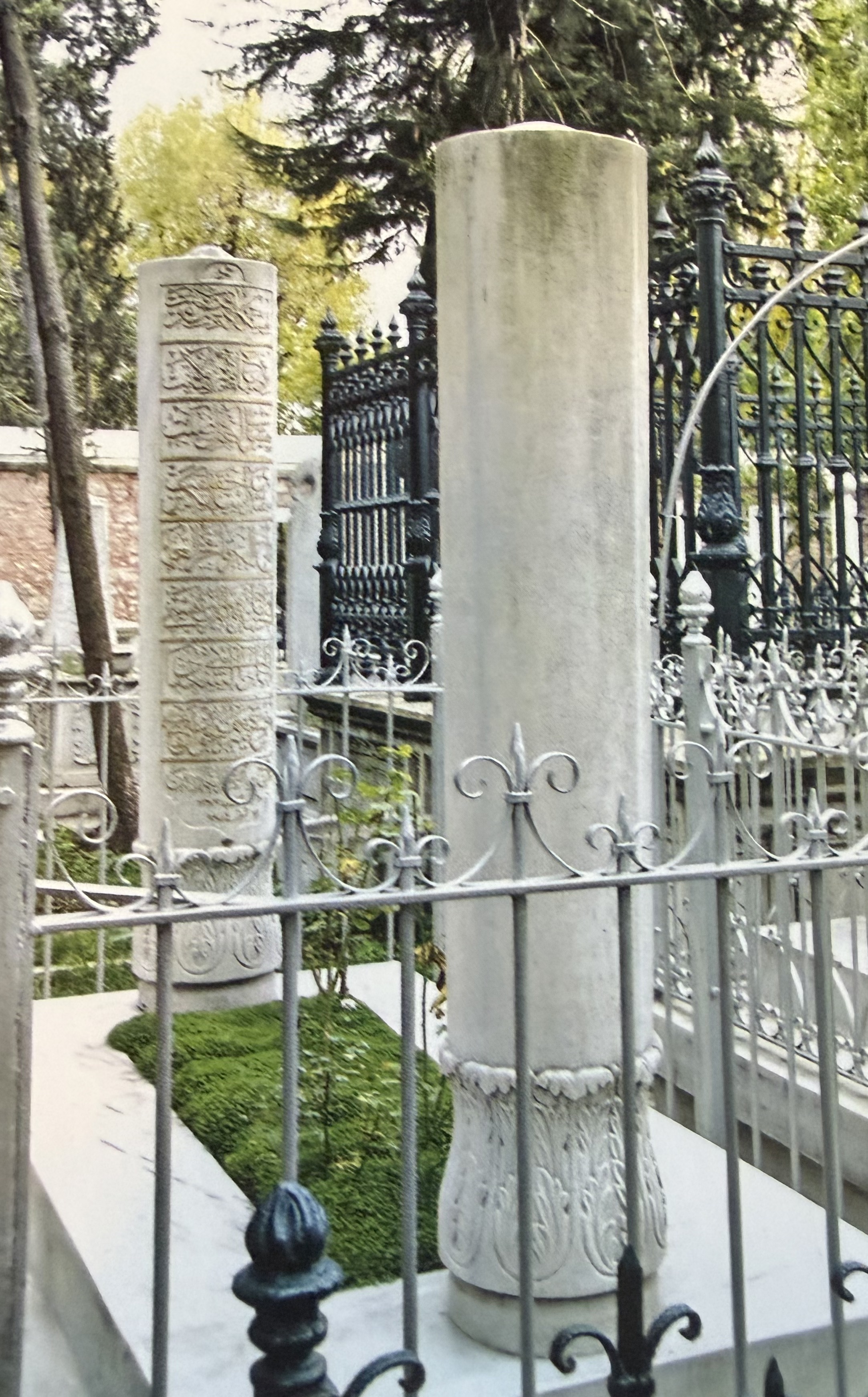
Ahmed Tâhir Memiş Efendi died on 11 July 1954 at Haydarpaşa Numune Hospital. After the funeral prayer held the following day at Beyazıt Mosque, he was buried, in accordance with his will, beside his master Ahmed Amiş Efendi in the Fatih Mosque Cemetery.
Epitaph
Hû. A Fatiha for the soul of Maraşlı Ahmed Tâhir Memiş Efendi of the Şâbaniyye branch of the Halvetiyye; light of the grace of prophethood, lamp of the secret of sainthood, leader of those who reach Allah, guide of the travellers of truth, crown of the gnostics and pride of the scholars. Date: "O pride of the possessors of spiritual knowledge!" 11 July 1954.
A Fatiha for his/her soul