
Ahmet Mithat Efendi
Profile summary
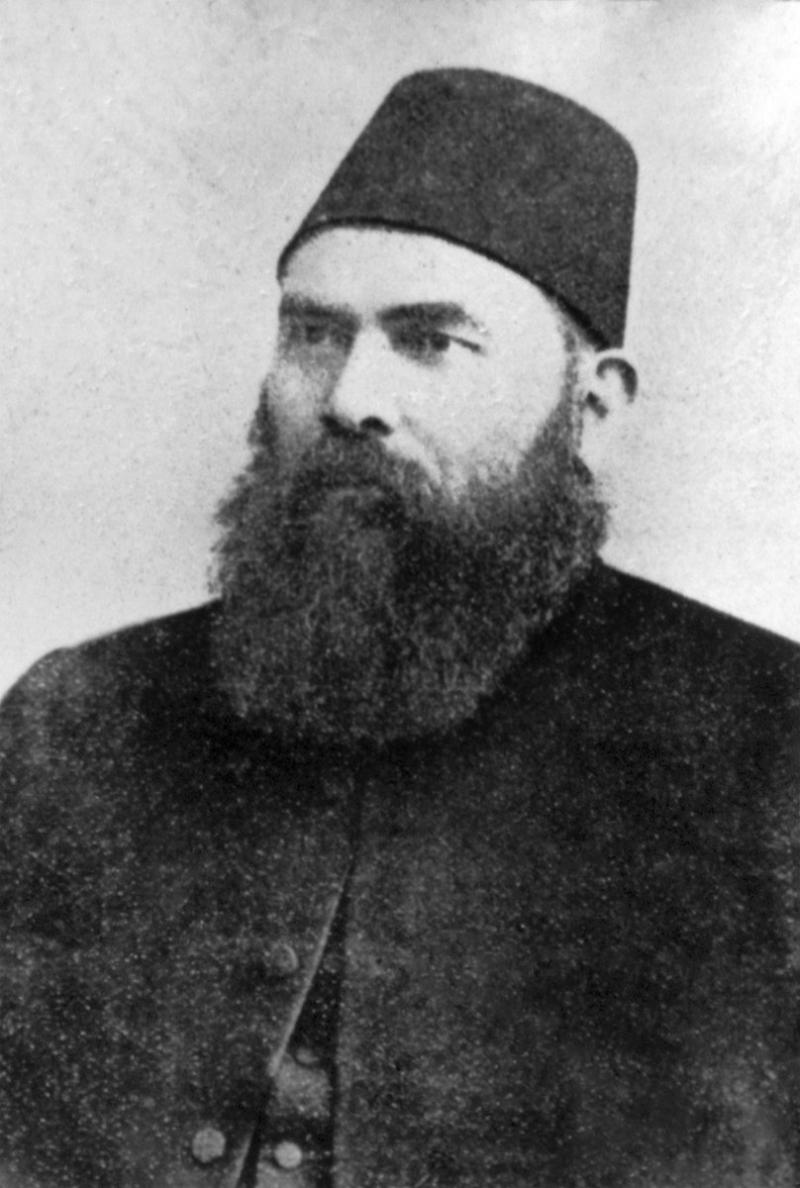
Highlights
Born in 1844 in the Tophane district of Istanbul, Ahmed Midhat Efendi entered working life at an early age. After his apprenticeship years in the Egyptian Bazaar, he continued his education in Vidin, Niš and Rusçuk, learning Arabic, Persian and French.
Raised under the patronage of Midhat Paşa, Ahmed Midhat Efendi worked for the Tuna newspaper in Rusçuk and for Zevrâ in Baghdad. He wrote some of his earliest works, including Hâce-i Evvel and Kıssadan Hisse, during his Baghdad years.
In 1873, because of an article he published in the journal Dağarcık, he was exiled to Rhodes. There he remained active, opening a school called Medrese-i Süleymâniye and continuing educational activities.
After returning to Istanbul, he founded the newspaper Tercümân-ı Hakîkat in 1878. It became one of the longest-lived and most influential publications in Ottoman press history.
Producing works in many fields, including the novel, short story, theatre, history, philosophy, science and ethics, Ahmed Midhat Efendi became one of the most prolific literary figures of the Tanzimat period, especially through his Letaif-i Rivayat series and the novel Felâtun Bey ile Râkım Efendi.
He played an important role in the literary formation of Fatma Aliye Hanım and, together with her, wrote Hayal ve Hakikat, contributing to the visibility of Ottoman women writers.
In the final period of his life, Ahmed Midhat Efendi taught at institutions such as the Darülfünun and Darülmuallimât. He died in 1912 at Dârüşşafaka, where he served in an honorary capacity, and was buried in the Fatih Mosque Cemetery.
Epitaph
A Fatiha for the soul of Ahmed Midhat Efendi, one of the Ottoman writers who rendered great service to the spread of education in his age. 18 Muharrem 1331 / 1912. Written by the calligrapher Hacı Kamil Akdik.
It is your diligence that made virtue and learning beloved to the community. It is your industriousness that told the nation of the love of effort. Nigar Hanım.
A Fatiha for his/her soul