
Ali Rıza Paşa
Profile summary
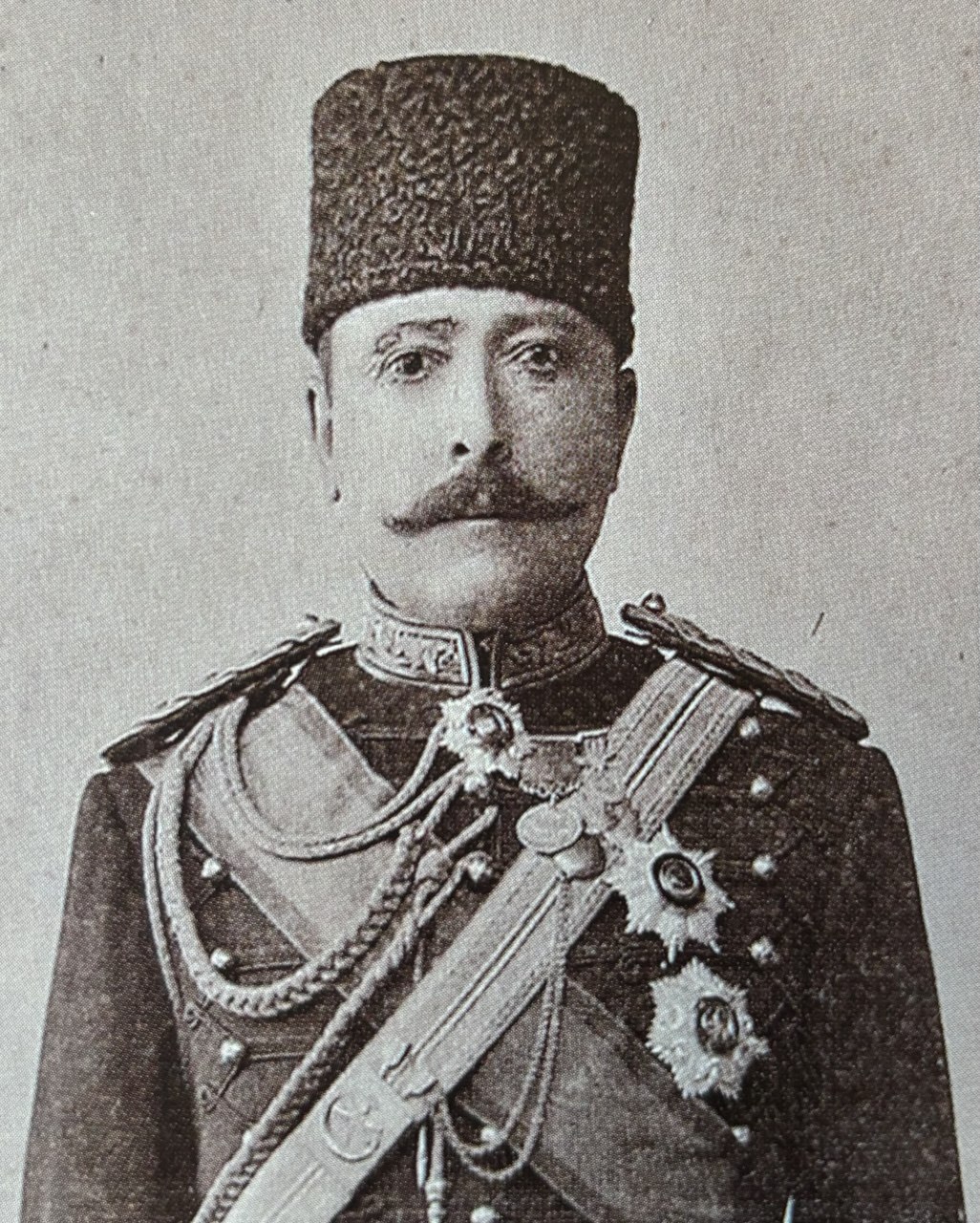
Highlights
Ali Rıza Paşa was born in Artvin in 1854 as the son of Mehmed Meded Bey of the Atabeg dynasty of Georgia. His family line reached back to the descendants of Gazi Cafer Paşa, a well-known figure in the Ottoman-Caucasian frontier world.
After Erzurum İdâdî, he graduated from the Mühendishâne in 1880 as a lieutenant, and was then sent to Germany for four years of artillery training. On his return, he taught at the Artillery School and in the Mobile Artillery Regiment of the Hassa Army.
Ali Rıza Paşa came to the fore through his expertise in artillery and produced both original and translated works in this field. For his services in the Ottoman-Greek War of 1897, he was promoted to the rank of ferik; he was also charged with the fortification of the Bosphorus and Çatalca. After the Second Constitutional Period, he served as Minister of Tophane and Military Schools, acted as Minister of War, and was appointed member of the Chamber of Notables. He also served for a time as Minister of the Navy.
The incident that most strongly preserved Ali Rıza Paşa’s name in memory was his stance at the Saltanat Şûrası held at Yıldız Palace on 22 July 1920. At the meeting convened for the acceptance of the Treaty of Sèvres, Topçu Feriki Ali Rıza Paşa was the only person among those present who did not approve the treaty. This stance made him one of the most symbolic and honourable military figures of the Armistice years.
In 1920 Ali Rıza Paşa was appointed First Deputy President of the Chamber of Notables, taking his place in one of the highest parliamentary offices of the state in the last year of his life. He died on 19 Ramadan 1339, corresponding to 27 May 1921, and was buried in the Fatih Mosque Cemetery.
Epitaph
"Every soul shall taste death." (Ankabut 57) Artillery Major General Ali Rıza Paşa was the son of Mehmed Meded Bey of Georgia’s Atabeg dynasty. In the sultan’s advisory council, he was the only person who rejected the ill-fated Treaty of Sèvres and did not join the common decision. Therefore every visitor should remember this history and gladden the soul of the deceased with good prayers. 27 May 1921.
A Fatiha for his/her soul