
Giritli Mustafa Naili Paşa
Profile summary
Highlights
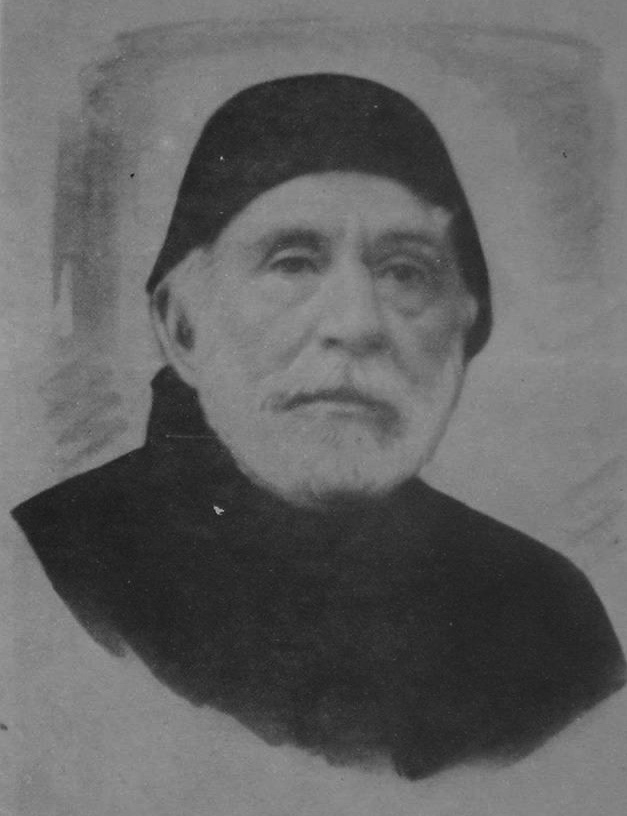
Born in 1798 in Polyan village of the Behlişte district of the Kesriye sanjak, Mustafa Nâilî Paşa was the son of İsmail Bey from the Albanian Behlişte family. As a child, he stayed in Egypt with his uncle, the Albanian Tâhir Paşa, and later entered the service of Kavalalı Mehmed Ali Paşa, Governor of Egypt.
Mustafa Nâilî Paşa spent five years in the Hijaz during the Wahhabi revolt and, because of the successes he achieved there, entered the military profession with the title “sergerde.” After the Cretan revolt of 1821, he went to Heraklion, and in 1826 was appointed governor and commander of Crete with the rank of beylerbeyi and the title of guardian of Heraklion.
Because he served as governor of Crete at intervals for about thirty years, he became known by the nickname “Giritli.” He restored order by suppressing uprisings and disturbances on the island, hosted Sultan Abdülmecid in Crete during his Mediterranean voyage in 1850, and was awarded the Order of İmtiyaz.
Called to Istanbul in 1851, Mustafa Nâilî Paşa was appointed to the Meclis-i Vâlâ-yı Ahkâm-ı Adliyye and then became its president. He served twice as grand vizier, in 1853 and 1857, and held office at the highest levels of Ottoman administration during the period when the Crimean War began.
In later years, Mustafa Nâilî Paşa again became involved with the Cretan question and was sent to the island once more as governor during the Cretan revolt of 1866. Sources describe him as a loyal, hardworking and generous statesman. He was awarded the İftihar, İmtiyaz, Mecîdî and Murassa Osmanî orders.
Giritli Mustafa Nâilî Paşa died on 15 Shawwal 1288 (28 December 1871) and was buried in the Fatih Mosque Cemetery.
Epitaph
He is the Eternal. A Fatiha for the soul of Hacı Mustafa Naili Paşa, who served for thirty years as governor in Crete, then presided over the council where judicial matters were discussed, served twice as Grand Vizier, and died while a member of high councils. 28 December 1871. Written by the calligrapher Aziz.
A Fatiha for his/her soul