
İbrahim Edhem Efendi
Profile summary
Highlights
İbrahim Edhem Efendi was born in 1848 in the Kumrulu Mescid neighborhood of Fatih and was the eldest son of Uşaklı Hâfız Hoca Nasuh Efendi.
His father Nasuh Efendi was one of the dersiâms of Fatih Mosque and a mukarrir in the Huzur Dersleri, and is mentioned among the scholars sentenced to fortress confinement on Lemnos after the Kuleli Incident. İbrahim Edhem Efendi grew up in a family that touched both the Fatih-centered madrasa circle and the political ruptures of late Ottoman scholarly life.
He studied at Hâfızpaşa School and received lessons at Fatih Mosque from the well-known teachers of the period. In 1876 he received ijazah from his father, then took part in the Huzur Dersleri as a muhatap. The Huzur Dersleri were Qur’anic commentary lessons held before the sultan during Ramadan; the teacher who delivered the lesson was called the mukarrir, while the scholars who participated in the scholarly discussion were called muhataps.
His professional life was shaped especially around the Fetvahâne. In this office, attached to the Şeyhülislam and responsible for fatwa affairs, he rose from clerkship to the presidency of the müsevvids, who prepared the fatwa texts. Alongside this service of nearly forty years, he held the judgeships of Galata and Medina; after the Istanbul judgeship pâye, he reached the degrees of Anatolian and Rumelian kazasker.
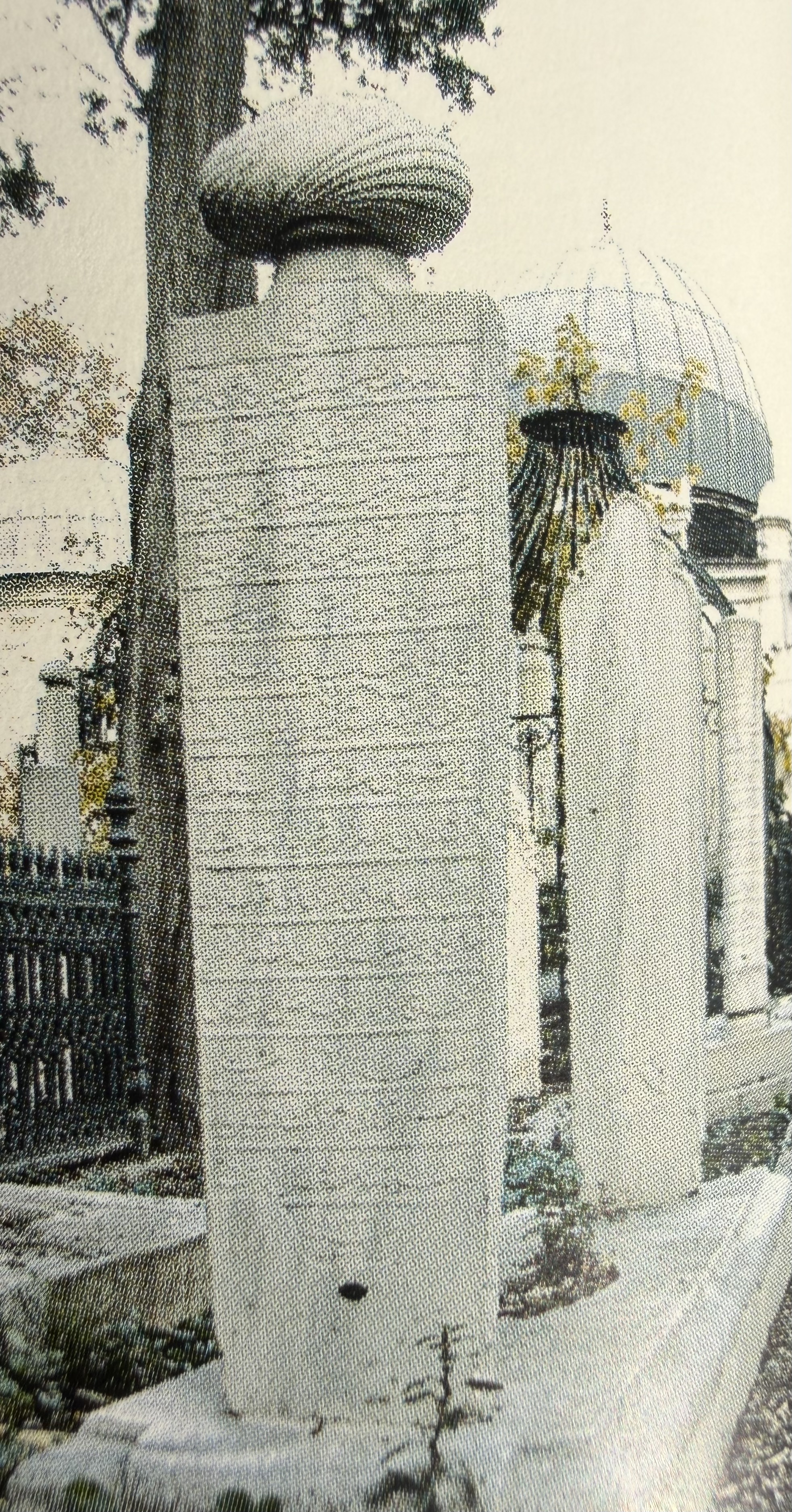
İbrahim Edhem Efendi, who taught and granted ijazahs to many students, died in 1918 and was buried in the Fatih Mosque Cemetery.
Epitaph
He is the Eternal. O visitor of insight! Everything is a lesson for you. Death is a gate through which every living being will enter. Before the one who enters it, the path of Paradise or Hell appears. Know what a great blessing a single breath of life is and strive to use it well. Gain Allah’s pleasure and be happy. This is the grave of the late Hacı Hafız İbrahim Edhem Efendi, son of Hafız Hacı Hoca Nasuh Efendi, who gave lessons and diplomas to many students, served with complete honesty for about forty years in the Fetvahane and other religious services, was among the leading scholars and jurists, and died after retiring from the Rumeli Kazaskership. For the sake of Allah, Fatiha. June 1918.
A Fatiha for his/her soul