
İbrahim Subaşı
Profile summary
Highlights
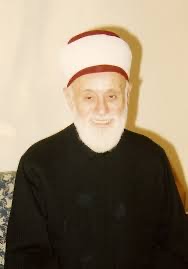
İbrahim Subaşı was born in Niksar, Tokat, in 1926. He received his first education and basic training in the religious sciences in his hometown from Dursun Gümen Hoca. In 1953 he came to Istanbul and studied for many years with leading teachers of the period, including Ömer Nasuhi Bilmen, Bekir Haki Efendi, Ermenekli Saffet Efendi and Abdurrahman Güzelyazıcı.
He began his working life in Istanbul with mosque service. He served as imam-khatib at İsmailağa, Haydar Kaptanpaşa, Beyoğlu Kamer Hatun and Kasımpaşa Büyük mosques. He later served in Karacabey in Bursa and in Şile, Istanbul; for many years he also served as preacher and acting mufti in the district of Fatih. Although he retired in 1982, he did not break away from lessons, conversations and scholarly gatherings.
İbrahim Subaşı was among the Istanbul hocaefendis who continued the classical Ottoman-Islamic scholarly heritage in the Republican period. He played a part in the training of many students and scholars from Diyanet and university circles. He was remembered for his knowledge of old sources, his devotion to books and his guidance of researchers.
The works he translated from Ottoman Turkish into modern Turkish and helped publish were also an important part of his service to learning. His translation of Hulâsatü’l-Beyân fî Tefsîri’l-Kur’ân, his work on Ali Haydar Efendi’s Usûl-i Fıkıh Dersleri and on some treatises by Imam Birgivî helped classical religious texts reach new generations of readers.
İbrahim Subaşı died in Istanbul on 6 February 2012. His funeral prayer was held at Fatih Mosque, and he was then buried in the Fatih Mosque Cemetery.