
Mustafa Nuri Paşa
Profile summary
Highlights
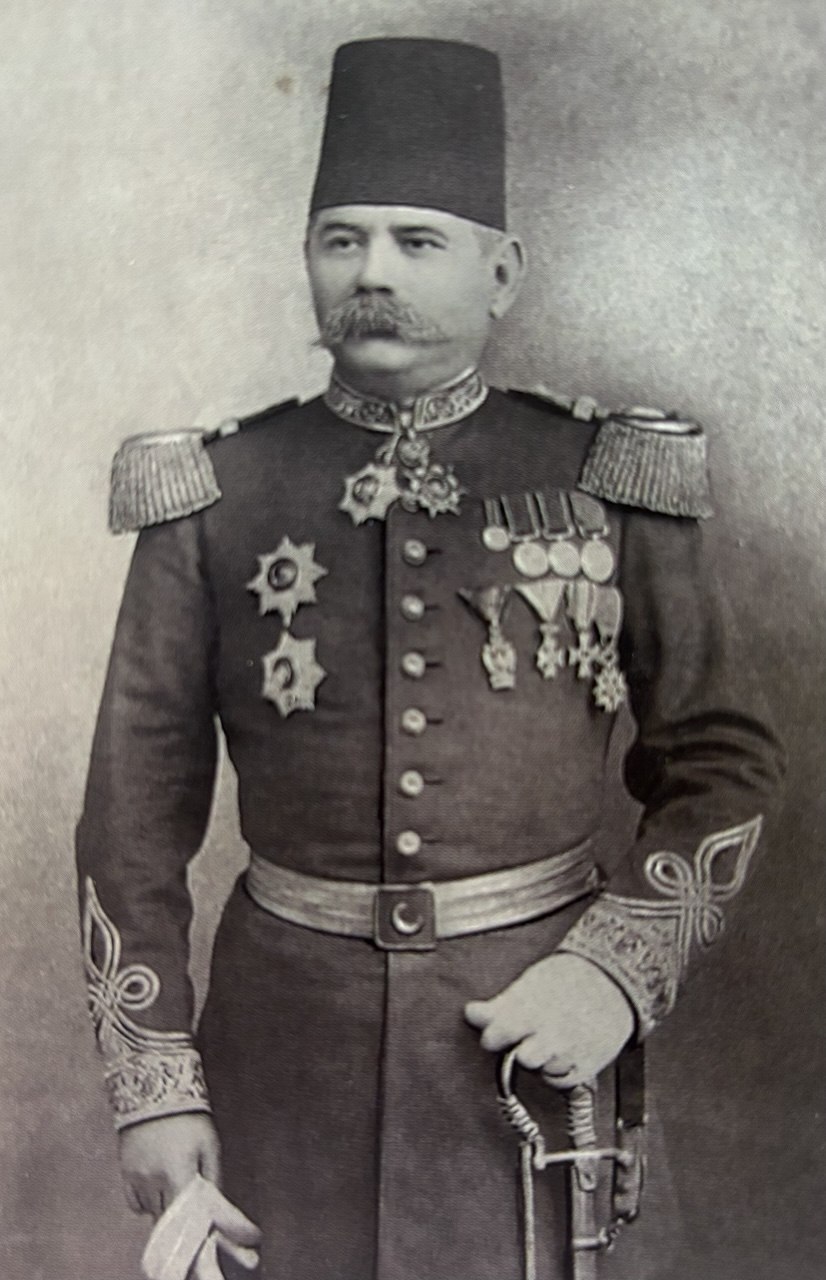
Mustafa Nuri Paşa, born in 1848, was one of the late Ottoman soldiers of Ioannina origin. He descended from Demirhan, a commander who came from the Niğde region, took part in the conquest of Albania, and then settled in Ioannina and Tepedelen.
He came to Istanbul during the reign of Sultan Abdülaziz and rose to the rank of ferik, or lieutenant general. He served as a member of the Muhâkemât Department attached to the Makam-ı Vâlâ-yı Seraskerî. The Makam-ı Vâlâ-yı Seraskerî was the central administrative authority of the Ottoman land army; its modern equivalent is the General Staff. The Muhâkemât Department within this organization was one of the departments responsible for military judicial and trial affairs.
He accompanied Sultan Abdülaziz on visits to France and England as an aide-de-camp. After the sultan’s death he was sent to Rumelia, and upon his return to Istanbul became chief aide-de-camp to Gazi Osman Paşa, the hero of Plevna.
Yanyalı Ferik Mustafa Paşa was also a figure who left a mark on Istanbul’s music circles. He admired the art of Tanbûrî Cemil Bey, took him under his protection and supported him. His son Mahmud, also known as Pertev Demirhan, recounts in his memoirs the family’s closeness to the musical and Sufi circles around the Yenikapı and Bahariye Mevlevî lodges.
Yanyalı Ferik Mustafa Nuri Paşa died on 29 Dhu al-Hijja 1321 (17 March 1904) and was buried in the Fatih Mosque Cemetery at the foot of Gazi Osman Paşa’s tomb.
Epitaph
He, Allah, is Merciful. Lieutenant General Mustafa Nuri Paşa of Ioannina, member of the General Staff Courts Department and President of the Military Collections Commission. May Allah’s mercy be abundant upon him. 17 March 1904.
Visitor! For this person there was nothing in the world but goodness from Allah. Every minute of his worldly life, which was a means of showing servitude to his God-worshipping soul, was adorned with nobility and generosity. Love of the Prophet, charity and humanity were the bud of his heart and nature. Alas, his heart—the altar of virtues adorned with jewels—left the self and reached his Allah. In return for his compassion toward all creatures, he now asks from you only the gift of mercy: a Fatiha. For the sake of Allah, Fatiha.
A Fatiha for his/her soul