
Mehmed Raif Paşa
Profile summary
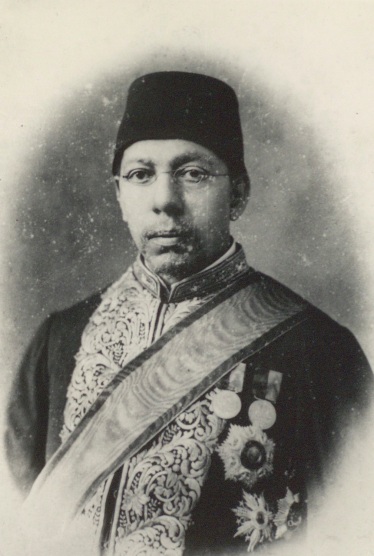
Highlights
Mehmed Râif Paşa was born in Crete in 1836 and was the son of İbrahim Ethem Efendi, a member of the Administrative Council of the Province of Crete.
He was sent to Istanbul under the protection of Ethem Pertev Paşa, Governor of Crete, studied at the Mekteb-i İrfan, and entered the Ottoman bureaucracy at a young age. In 1850, when he was only fourteen, he began government service in the Nizamiye Council of the Seraskerlik.
The main environment in which Mehmed Râif Paşa was trained was the chancery of Midhat Paşa. He served beside Midhat Paşa in the Danube province and later belonged to the same administrative circle in services around Baghdad and Syria. While he was governor of Beirut sanjak, Midhat Paşa sent him to Istanbul; during the reign of Sultan Abdülhamid II he was kept at the center and shortly afterward appointed to the Ministry of Commerce and Agriculture.
After serving as governor of the Rhodes, Cyprus and Beirut sanjaks, he held high offices such as Minister of Commerce, Public Works and Agriculture, Governor of Adana, Governor of Aleppo, Director of Customs and President of the Şûrâ-yı Devlet.
After the proclamation of the Second Constitutional Period, he was elected a member of the Chamber of Notables. The Chamber of Notables was the upper chamber of the Ottoman parliament, consisting of members appointed by the sultan. After the Constitution, Râif Paşa did not entirely withdraw from state service and continued briefly as President of the Şûrâ-yı Devlet.
Known among the public as “Köse Râif Paşa,” Mehmed Râif Paşa left a mark not only through state service but also through his household life in Istanbul and his family. The Taş Konak he had built in Nişantaşı, today used as the Şişli District Governorship building, is one of the notable structures of late Ottoman mansion culture.
His daughter İhsan Râif Hanım became one of our first women poets, known for her poems in syllabic meter and for the lyrics of “Kimseye Etmem Şikâyet.”
Mehmed Râif Paşa, known for his honesty, courtesy and skill in official writing, died in Istanbul on 4 July 1911. By the order of Sultan Mehmed Reşad, he was buried in the Cemetery of the Fatih Tomb; state dignitaries attended his funeral and a military ceremony was held.
Epitaph
May Allah prolong your lives. Mehmed Raif Paşa, member of the Chamber of Notables.
A Fatiha for his/her soul