
Mehmed Şevki Efendi
Profile summary
Highlights
Mehmed Şevki Efendi was born in Istanbul in 1855 and was the son of İbrahim Edhem Efendi.
As a dersiâm of Fatih Mosque, he belonged to one of Istanbul’s most established circles of instruction. Dersiâmlık referred to the authority to teach students in madrasas and give public lessons in the great mosques; central mosques such as Fatih, Süleymaniye and Beyazıt formed the strongest links of this tradition.
Mehmed Şevki Efendi also participated in the Huzur Dersleri as a muhatap. The Huzur Dersleri were Qur’anic commentary discussions held before the sultan during Ramadan; the scholar who delivered the lesson was called the mukarrir, while those who participated in the scholarly discussion were called muhataps.
His register shows that he served as examiner at the Evkaf Court, indicating that he worked in a specialized court circle concerned with foundation cases and the examination of foundation records. Records based on the Meşihat Archive show that the Evkaf Court was a broad judicial organization operating with chancery, file and document units, and that Mehmed Şevki Efendi was registered within this structure as “Evkaf Court Examiner.”
His membership in the Meclis-i Kebîr-i Maârif was an important link carrying him from the classical madrasa-mosque circle into the modern Ottoman educational administration. Established within the Ministry of Education by the 1869 Regulation of General Education, this council was one of the central advisory and decision-making bodies for educational affairs.
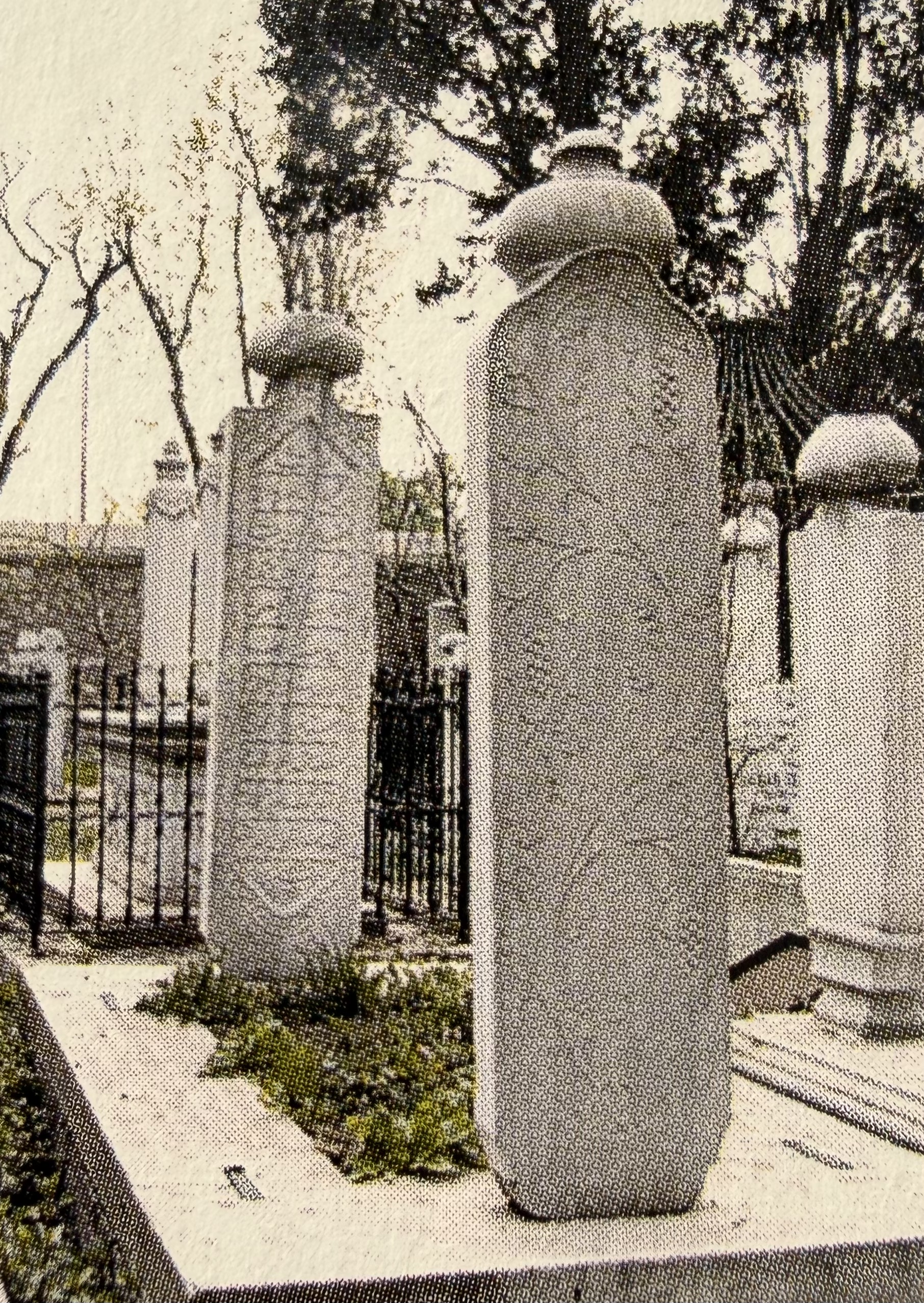
Mehmed Şevki Efendi died on 10 September 1905 and was buried in the Fatih Mosque Cemetery.
Epitaph
He is the Eternal. For the sake of Allah, a Fatiha for the soul of the late İstanbullu Hacı Hafız Mehmed Şevki Efendi, one of the dersiâms of Fatih, one of the scholars who participated in the lessons held before the sultan, and a member of the General Education Commission. Sunday, 10 September 1905.
A Fatiha for his/her soul