
Osman Nuri Efendi
Profile summary
Highlights
Osman Nuri Efendi was born in 1248 in the Hijri calendar, corresponding to 1832, and was one of the high-ranking scholars who served in late Ottoman learned and judicial education. His being described among the sudûr-ı izâm shows that he held a high rank within the learned establishment.
Osman Nuri Efendi served as director of the Muallimhâne-i Nüvvâb, founded to train judges and deputy judges. This school was opened to give regular training to nâibs who would serve in sharia courts, and became one of the important institutions of Ottoman legal education through lessons in fiqh, inheritance law, the Mecelle and sakk.
Osman Nuri Efendi’s knowledge especially in the field of “fenn-i sakk” stands out. Sakk refers to the proper preparation of legal documents such as hüccets, court judgments, deeds and similar records in sharia courts. This field required not only knowledge of fiqh, but also command of legal language, document form and court practice.
Osman Nuri Efendi, known for his services at the Muallimhâne-i Nüvvâb, was awarded the Mecîdî Order, First Class, in 1898 for his efforts and service. He was appointed briefly as Undersecretary of the Sadreyn and then returned to his directorship.
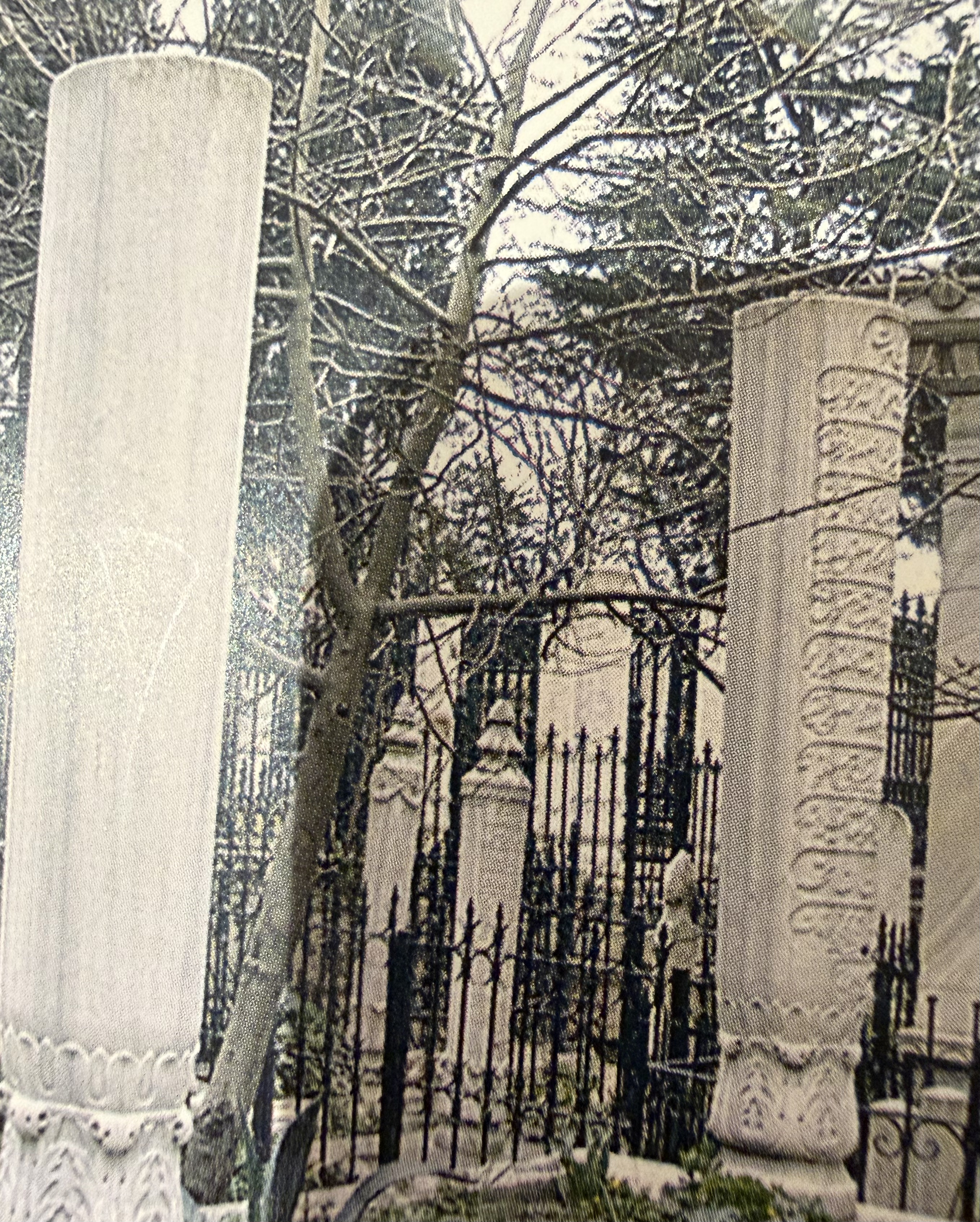
El-Hac Osman Nuri Efendi died on the night of Friday, 10 Jumada al-awwal 1322, corresponding to 23 July 1904, and was buried in the Fatih Mosque Cemetery.
Epitaph
Alas, death! Visitor! This pure grave is the spiritual resting place of Hacı Osman Nûri Efendi, dean of the Faculty of Law and one of the leading men of religion and learning. The deceased, while possessing fine character and humility, was a peerless expert in Islamic law who fully understood the subtleties of legal documents. His death was a very great loss for the Faculty of Law. A Fatiha for his soul. Date of birth: 1832 / Date of death: 23 July 1904.
A Fatiha for his/her soul