
Şerife Şazmend Hanım
Profile summary
Highlights
Şerife Şazmend Hanımefendi, whose date of birth could not be determined, contracted tuberculosis at a young age and died after this serious illness.
Tuberculosis was one of the serious diseases that affected the lives of many people in Ottoman society in the late 19th and early 20th centuries, and was long known as “ince hastalık,” the wasting disease. With Robert Koch’s discovery of the tuberculosis bacillus in 1882, the contagious nature of the disease became more clearly understood; however, effective institutions for combating it began to spread in Ottoman lands mostly in the first quarter of the 20th century.
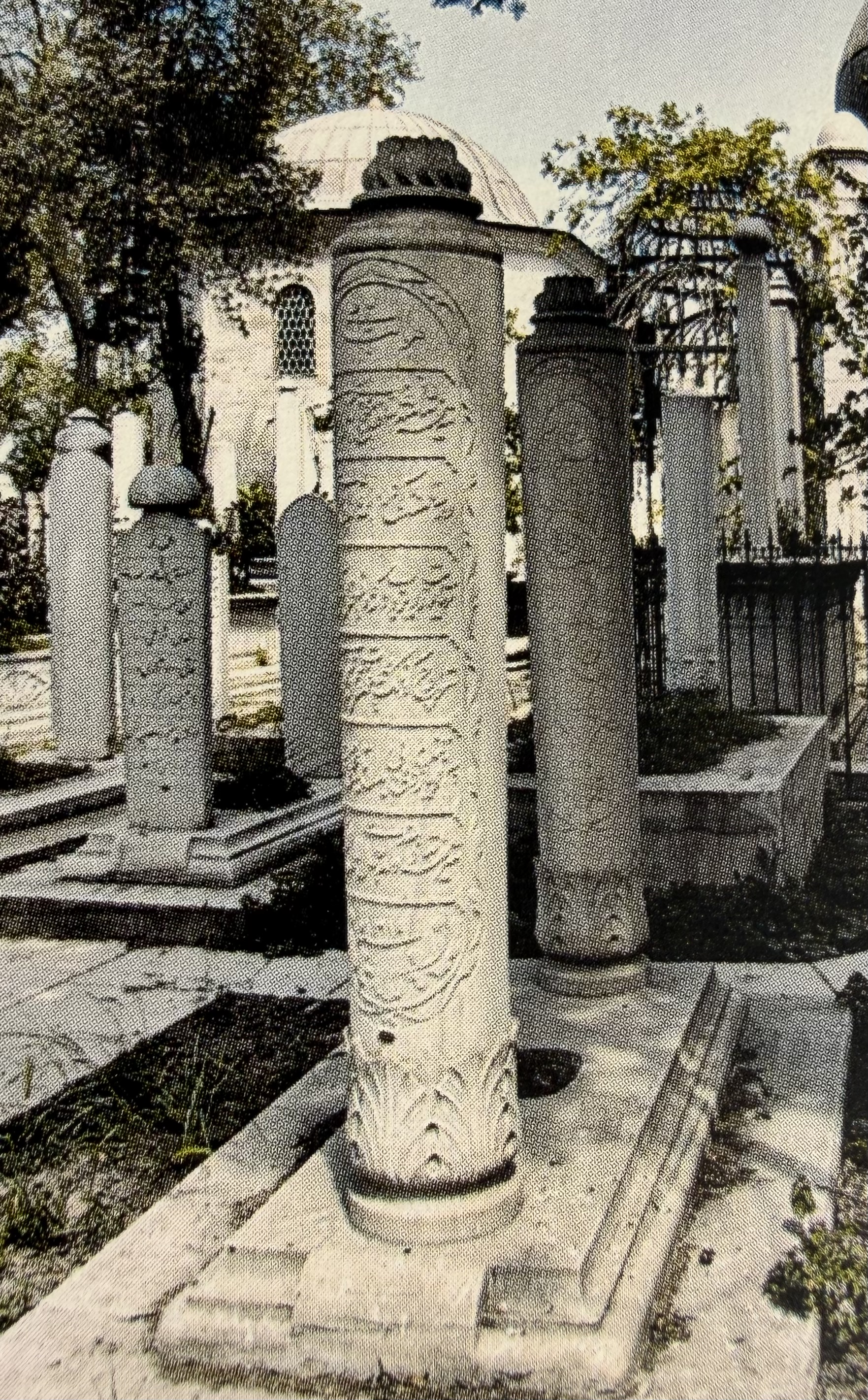
The short life of Şerife Şazmend Hanımefendi is one of the cemetery records that recalls the destructive effect of tuberculosis on young lives. She died in 1319 in the Hijri calendar (1901-1902) and was buried in the Fatih Mosque Cemetery.
Epitaph
He is the Eternal. Şerife Şazmend Hanımefendi fell helplessly, while young, into the grip of the illness called consumption. In the end, turning to Allah, she turned away from a sorrowful life. At the moment of her death Muhtar wrote this unique chronogram: "Şerife Şazmend has now attained the beauty of Allah in a special way." Year 1901.
A Fatiha for his/her soul