
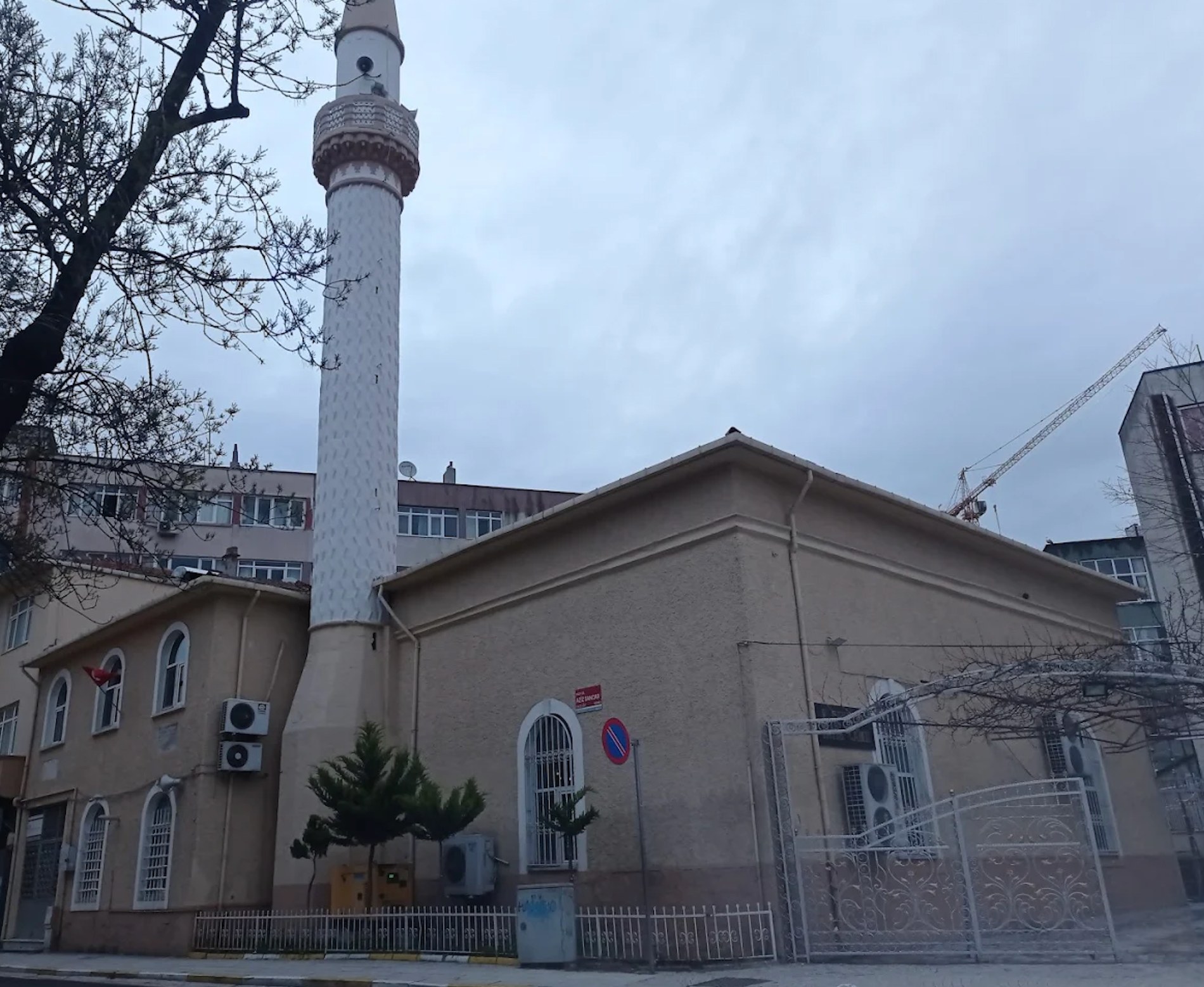
Changes After Construction
The small masjid, which was built by Mehmed the Conqueror on his return from thecampaign, was converted into a mosque in 1965 with donations from the public underthe leadership of the Repair and Revitalization Association.
It is documented in the records that the mosque belongs to the Mehmed the ConquerorFoundation.
It was repaired after the earthquake in 1809 by the order of Grand Vizier Yusuf ZiyaPasha.
According to the Sultan’s fiat dated 1865, it is stated that 52,234.5 Kuruş (Ottomancurrency of the time) was spent for the repair of the mosque.
The mosque, which was damaged in the 1894 Istanbul earthquake, was repaired bySultan Abdulhamid II.
In 1967, as part of the expansion work, the old building was demolished and rebuilt inreinforced concrete, and a larger minaret was added.
Featured Highlights
It is a rectangular planned building positioned in the north-south direction.
Entrance is provided from the west and east sides.
The main entrance is in the south and is accessed through an open hall connected tothe courtyard.
A prayer area reserved for women is located in the narthex.
The mihrab located on the south wall of the harim (prayer hall) is decorated withmuqarnas decorations and is made of marble.
The minbar and the preacher’s pulpit are covered with tiles.
The walls of the harim are covered with tiles approximately one meter high.
The base of the minaret is made of cut stone and is thought to belong to the originalstructure.
Its minaret was raised after the restoration in 1967.
The body of the minaret has grooved, zigzag decorations.
In the southern section, there are round-arched, keystone windows on both sides of themihrab and on the north and east facades.
There is a women gallery on the upper floor, and a Quran course is located on thenorth wall.
The mosque and the additional buildings have hipped roofs and are covered with tiles.
On the southeastern facade of the mosque, there are two original inscriptions from the19th century.