Changes After Construction
The complex containing the madrasa was seriously affected by major disasters in Istanbul, including the earthquakes of 1648 and 1763 and the fires of 1782 and 1918.
After the Cibali-Fatih fire of 1918, the madrasa remained neglected for a long period and was used as a storage place for materials until the 1960s.
Following partial restoration works carried out in 1976, it was reopened for use.
It acquired its present form through comprehensive restoration works carried out by the General Directorate of Foundations in 1991.
Featured Highlights
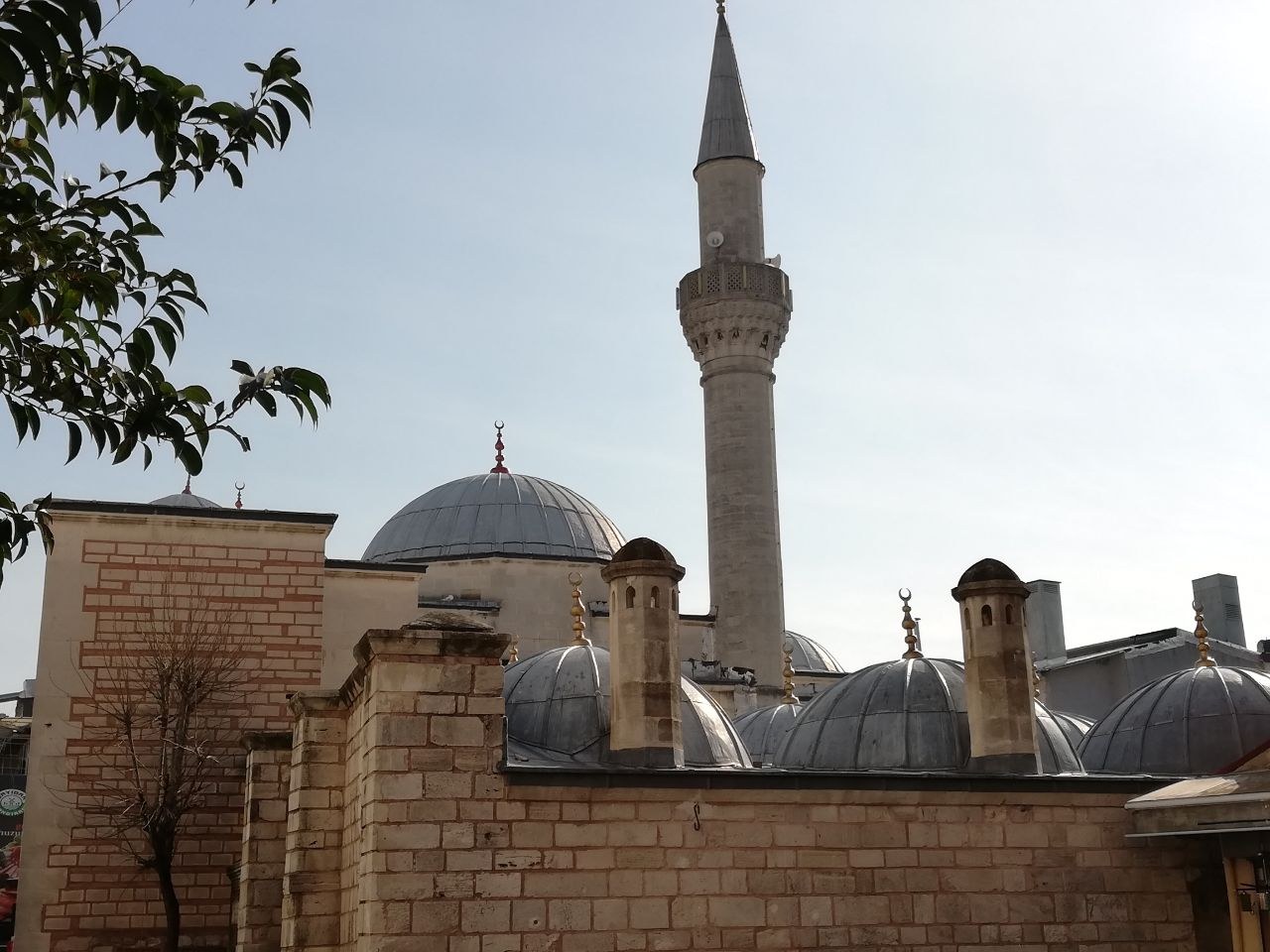
It is the educational building of a külliye consisting of a mosque, madrasa, library, dârülkurrâ, sebil, fountain, and tomb.
Today used as a Quran course affiliated with the Presidency of Religious Affairs, the madrasa has 15 rooms. Rooms are arranged on three sides of the courtyard, with a colonnaded portico in front of them.
Although Hadım Hâfız Ahmed Pasha, the patron of the madrasa, is often compared in history with Müezzinzâde Hâfız Ahmed Pasha (1564–1632), one of the grand viziers of Sultan Murad IV’s reign, they were two different people.
The tomb of Hadım Hâfız Ahmed Pasha, who held important state offices during the reign of Sultan Mehmed III, including deputy grand vizier, is located beside the complex.
The story that Hadım Hâfız Ahmed Pasha saw in a dream Sultan Mehmed the Conqueror scolding him and ordering his execution for building a mosque too close to the Fatih Mosque, that he died seventy days after this dream, and that a stone breaking from the edge of the grave cut his head as he was being buried, holds an important place in Istanbul folklore.
The French orientalist Antonie Galland states that the library of the Hâfız Ahmed Pasha Complex, which he visited on 14 November 1672, contained highly valuable manuscripts.