
Listen-0:00
Changes After Construction
The mosque, which was built of wood in 1795, was rebuilt in stone by Fethi Ahmed Pasha in 1855 when it fell into disrepair over time.
Featured Highlights
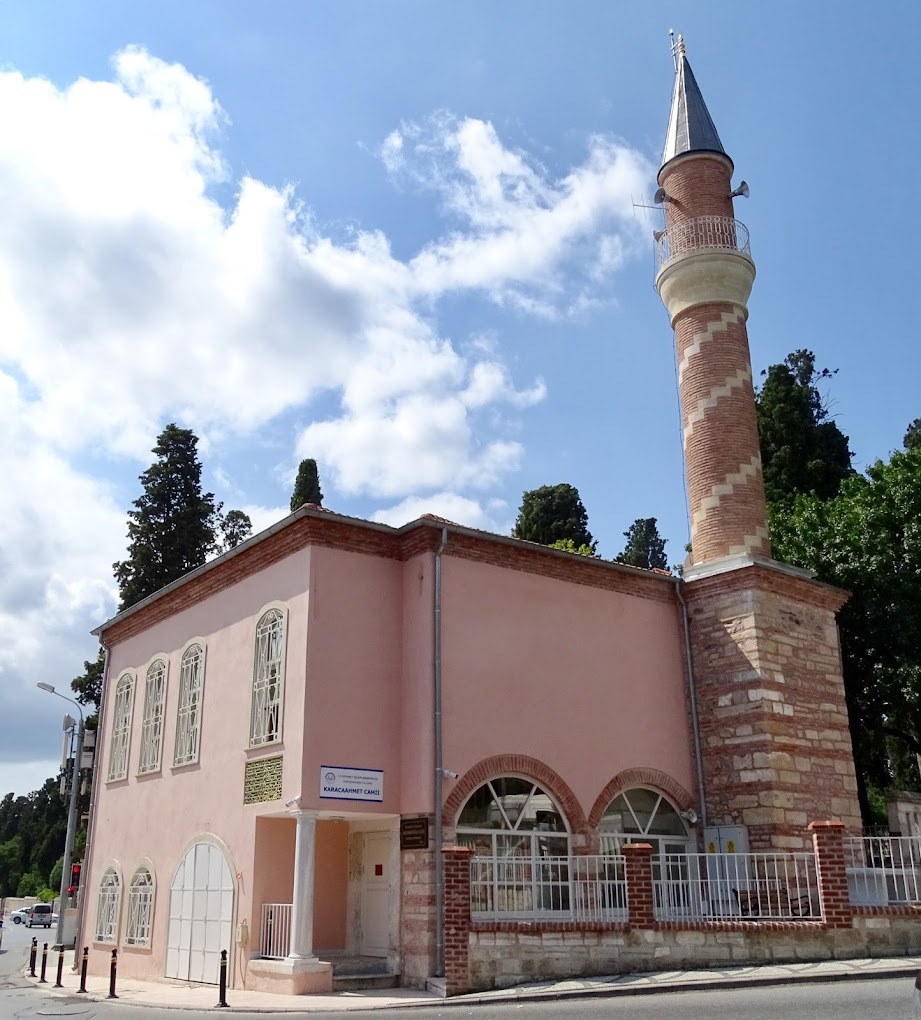
Also known as the Fethi Ahmed Pasha Mosque and the Behçet-i Rodosi Mosque, the building has masonry walls and a wooden roof.
At the entrance gate, there is a fourteen-line inscription written by the poet Şevket.
The mosque is accessed by fourteen steps and has a small narthex.
The minaret and the women's gallery can be reached from the stairs on the right.
Its interior is bright and spacious, its mihrab is marble and its minbar is wooden.
It has a single minaret with a single balcony.