Changes After Construction
It is understood that the sebil and the school were built in 1580, and that the madrasa was completed later and began to be used in 1582.
During the widening of Divanyolu, the sebil-school unit of the complex was renewed and lost its 16th-century character.
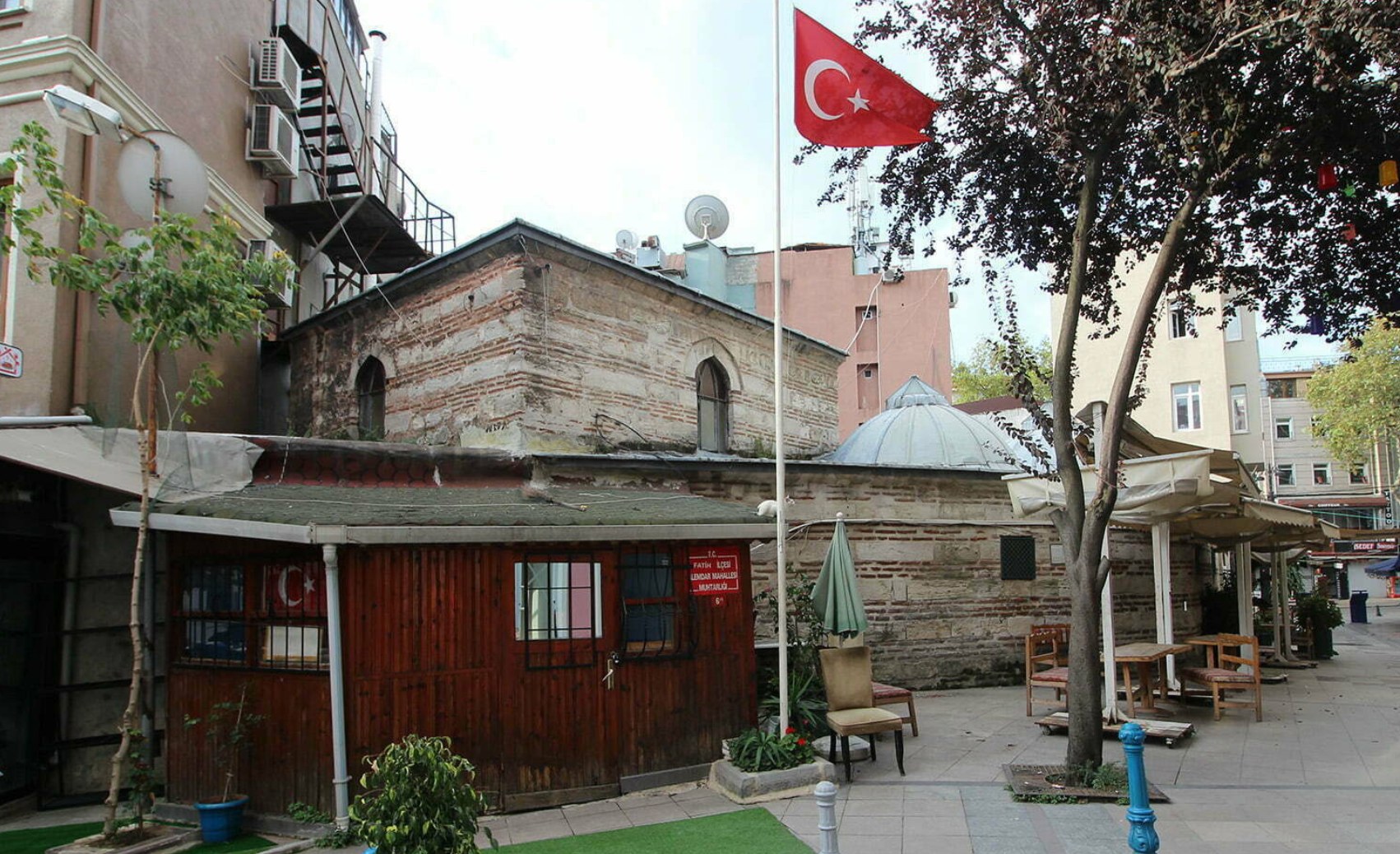
Today, the structure is used for cultural and event functions.
Featured Highlights
It is also known as Hoca Rüstem Madrasa.
Together with the sebil and school commissioned by Mehmed Agha on Divanyolu, it forms the integrity of a small complex.
The madrasa is located behind Divanyolu, positioned in a way that follows the curve of Hoca Rüstem Street.
Its courtyard is covered; the madrasa consists of 11 small rooms and one classroom.
The madrasa unit has survived to the present while largely preserving its classical-period character.