Changes After Construction
The dervish lodge, which grew with the support of Sultan Mahmud II, was seriouslydamaged in the 1894 Istanbul earthquake, but was repaired in a short time and openedfor worship.
With the closure of the dervish lodges and zawiyas in 1925, the building began to beused as a residence, and the sections other than the Harem (where the sheikh lives)section turned into ruins over time.
In 1940, the abandoned buildings except the tevhidhane (where Sufi rituals wereobserved) and the tomb were demolished, thus a large part of the lodge disappeared.
The restoration work initiated in 1964 under the leadership of the sheikh grandchildren was an important step in saving the remaining sections.
In 1976, with the donations collected, the building was repaired again and started to beused as a mosque.
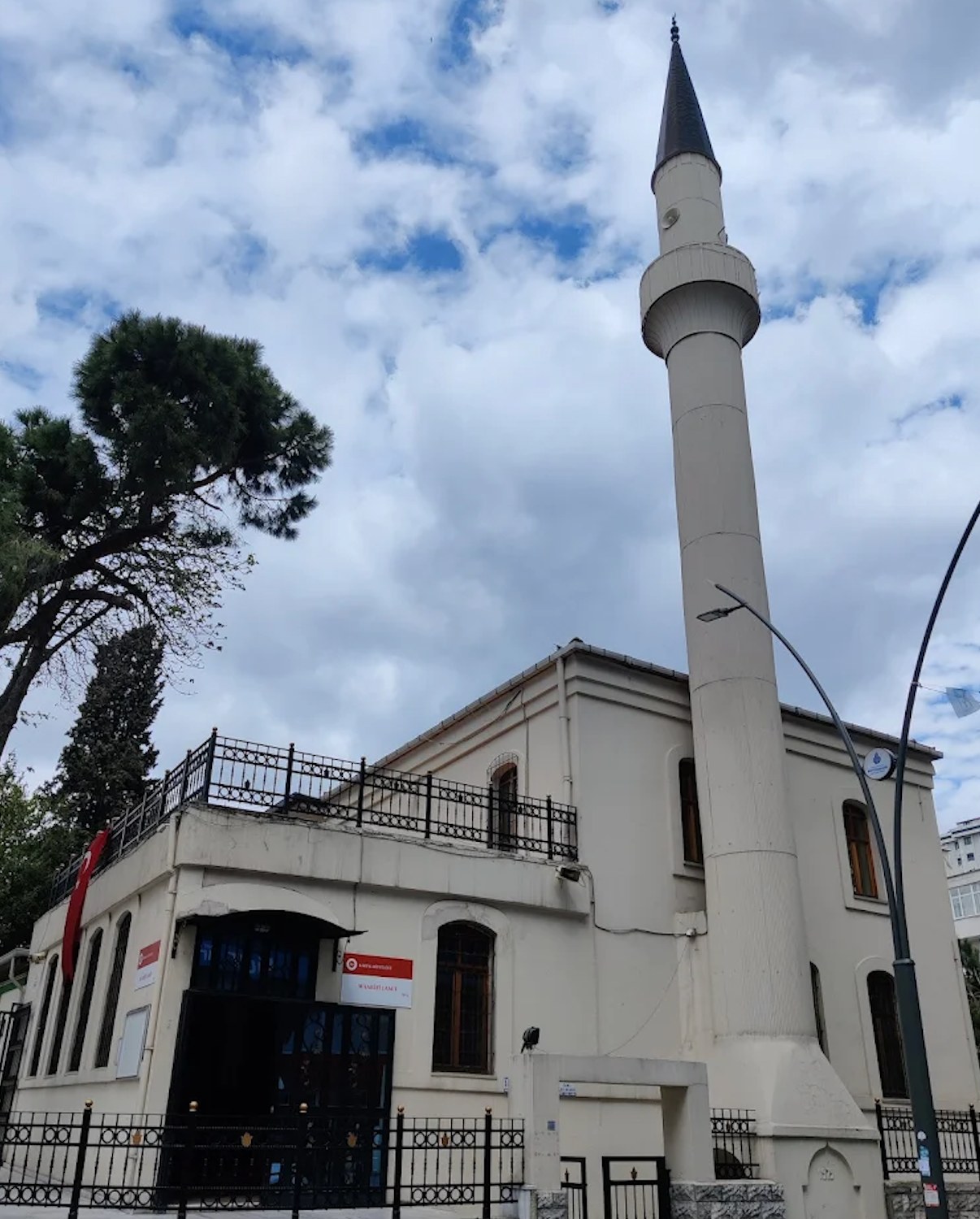
In 1980, the mosque underwent another comprehensive restoration, with the addition ofa minaret and a fountain, thus achieving its current appearance.
Featured Highlights
It is also known as “Maarifi Sultan Mosque” and “Muhammed Maarifi Mosque”.
It has a single minaret and a single balcony.
The minbar and the preacher’s pulpit are made of wood.
It was formerly a lodge belonging to the Maarifi branch of the Rufai Sufi order and wasbuilt by Sheikh Seyyid Muhammed Maarifi, the founder of the Maarifiye branch of RufaiOrder.
Initially used as the sheikh's private house, it was later converted into a full-fledgeddervish lodge.
The lodge structures consisted of a tevhidhane, a tomb, a harem, a selamlık (wherevisitors to the lodge are welcomed), dervish cells and a kitchen.
According to records, it is one of the two Maarifi lodges in Istanbul, the other Maarifilodge is located in Kasımpaşa.