Changes After Construction
In 1774, with Seyit Ahmet Efendi, one of the sheikhs of the Naqshbandi Order, becoming the imam, the mosque became a place where the Naqshbandi Order gathered and a lodge was added to its courtyard.
After the dervish lodges and zawiyas were closed during the Republic Period, the building fell into ruin.
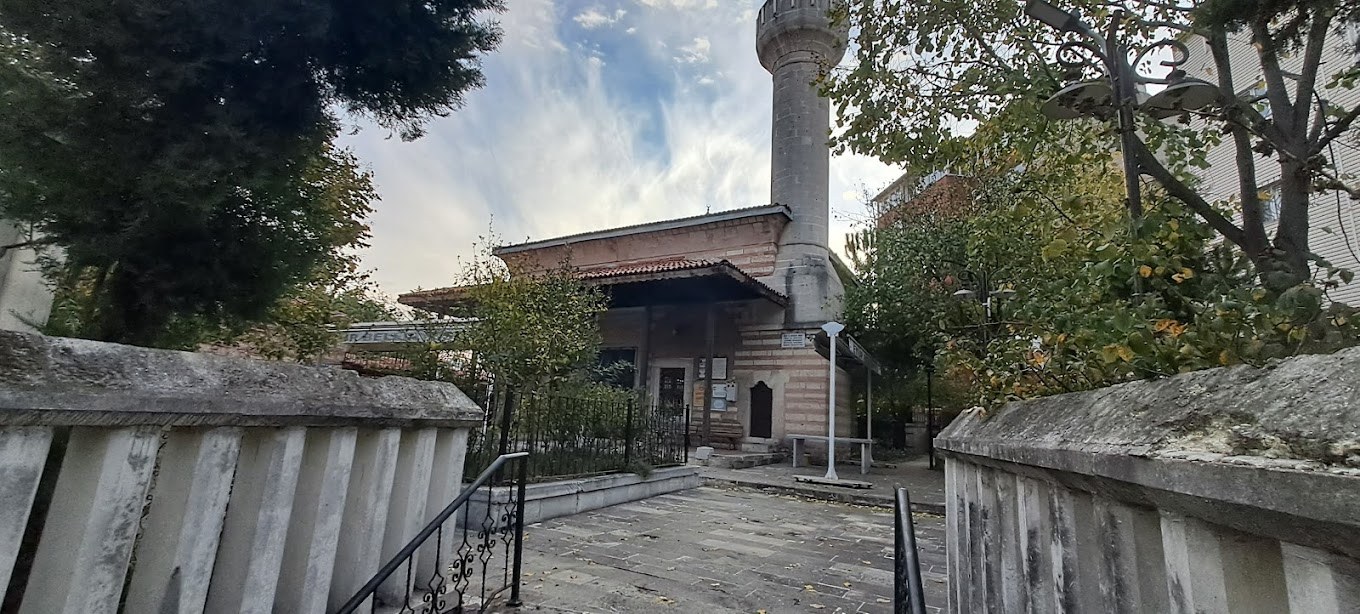
It was restored and reopened for worship in 1998. During the last restoration, the porches of the mosque were covered with glass.
Featured Highlights
The mosque, built of cut stone, has a small prayer area. It has a simple stone mihrab and a wooden minbar. The courtyard door opens from the street and a beautiful fountain welcomes those entering the courtyard.
The mosque was built as a social complex with a fountain courtyard and madrasah rooms arranged in a U shape. There are porticos in front of the domed rooms, and they were covered with glass in the last restoration.
In addition to the tombs of the Naqshbandi sheikhs, the tomb of Molla Şeref, one of the scholars of the Mehmed the Conqueror period, is also located in the mosque's graveyard.
Grand Vizier Çorlulu Köse Mustafa Pasha is known as the "Victim" because he was executed, and this title was also given to the mosque.