Changes After Construction
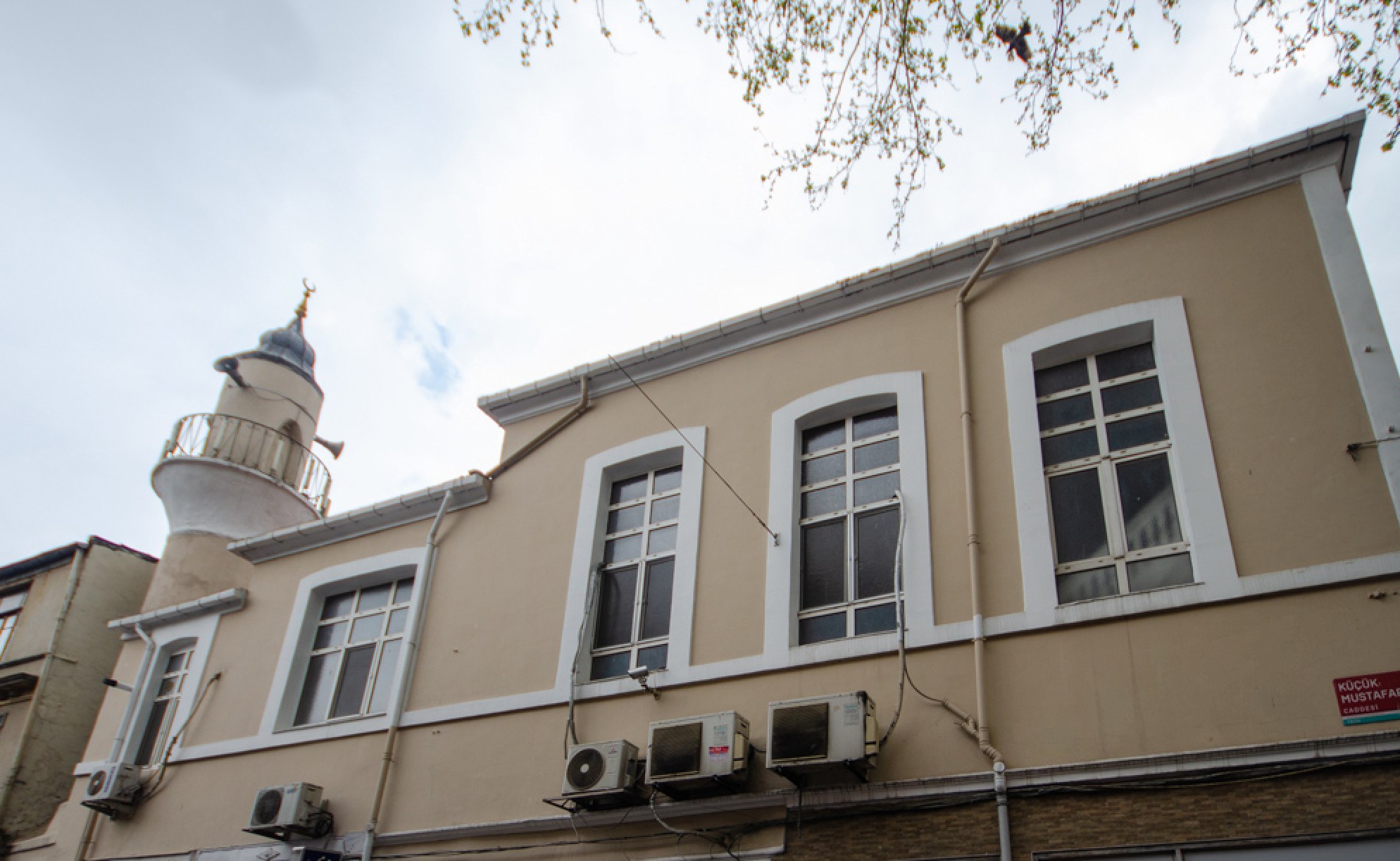
The mosque was destroyed over time and was rebuilt in the 19th century as a square-plan, upper-story, roofed and masonry building.
Its foundation charter, dating back to 1465, is also mentioned in the foundation charter of the mosque in Vefa, which bears the same name.
Featured Highlights
There are shops underneath.
The minbar, pulpit and interior ceiling are made of wood.
Its mihrab protrudes outwards and is made of stone.
The balcony of the minaret above the entrance door of the mosque has iron railings.
The cone of the minaret is onion-shaped and made of metal.
The mosque, which is accessed by stairs, does not have a women’s gallery.
There is one long window on the right and left of the mihrab wall, and three long windows on the right wall.
It is one of the three Molla Hüsrev mosques in Istanbul.
Its founder died in 1480 and was buried in the graveyard of his madrasah in Bursa.