Changes After Construction
In 1757-58 (Hijri 1171), the lodge was endowed to the Naqshbandiyya order by its first postnişin, Şeyh Seyyid Hacı Abdullah Efendi; a minbar was installed in the masjid-tevhidhane.
Between 1757 and 1774, the lodge was enlarged by the postnişin Şeyh Seyyid Abdülekber Efendi of Samarkand.
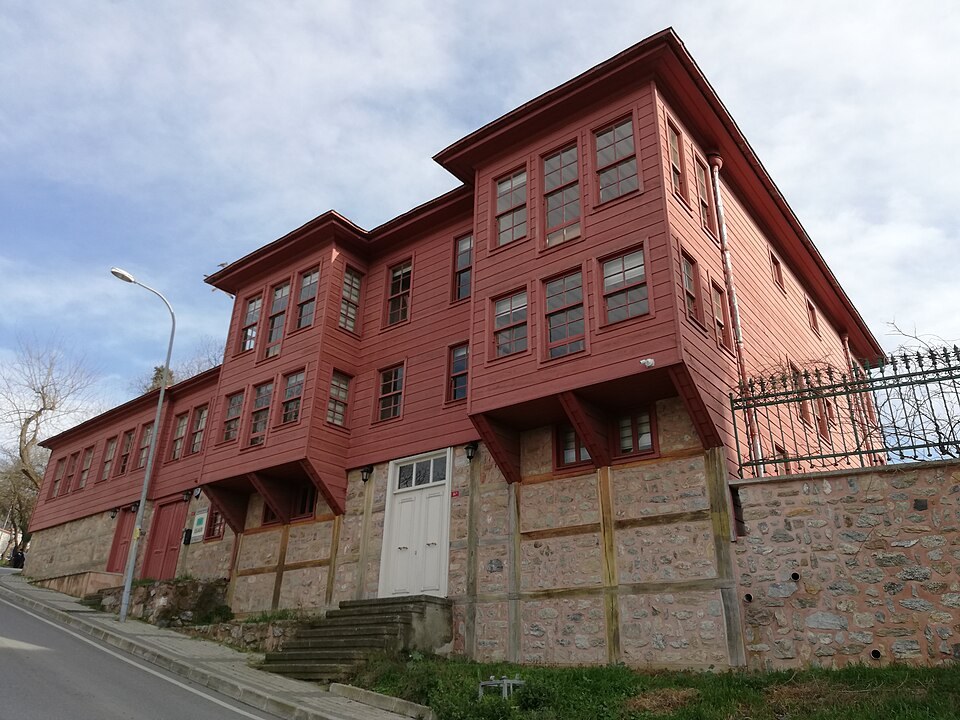
In 1844, Sultan Abdülmecid had the lodge rebuilt in its present form.
In 1849, a fountain was built together with a water reservoir; in 1872, these units were repaired.
During the Russo-Turkish War of 1877-78, wooden rooms were built on the northern side of the property for those who took refuge in the lodge; these rooms were removed in the 1950s.
In 1893, during the reign of Abdülhamid II, the building underwent another repair.
After the closure of the dervish lodges in 1925, residence continued in the selamlık, harem, and dervish cells; on blessed days and nights, dhikr gatherings and sohbet meetings were held.
After 1971, the structure, which had deteriorated through neglect, underwent repairs between 1983 and 1994.
Featured Highlights
It was also known by the names El-Hac Sufi Hoca Lodge, Hacı Hoca Sufi Lodge, and Kalenderhane.
The lodge is a Naqshbandi lodge established in Sultantepe to provide shelter for traveler dervishes coming from Central Asia.
Within the Naqshbandiyya, it was associated with a branch that bears traces of the Yasavi tradition and adopted vocal dhikr.
The structure has been preserved with its original architecture and furnishings; it is stated that members of the sheikh’s family lived in the selamlık section.
During the Turkish War of Independence, the lodge was used for a time as a hospital for wounded members of the Kuva-yi Milliye; it became one of the first stops in the passage to Anatolia.