
Changes After Construction
According to its original inscription, the historical building, whose construction date is 1586, was built by Ramazan Agha. However, it is likely that it was built after his death.
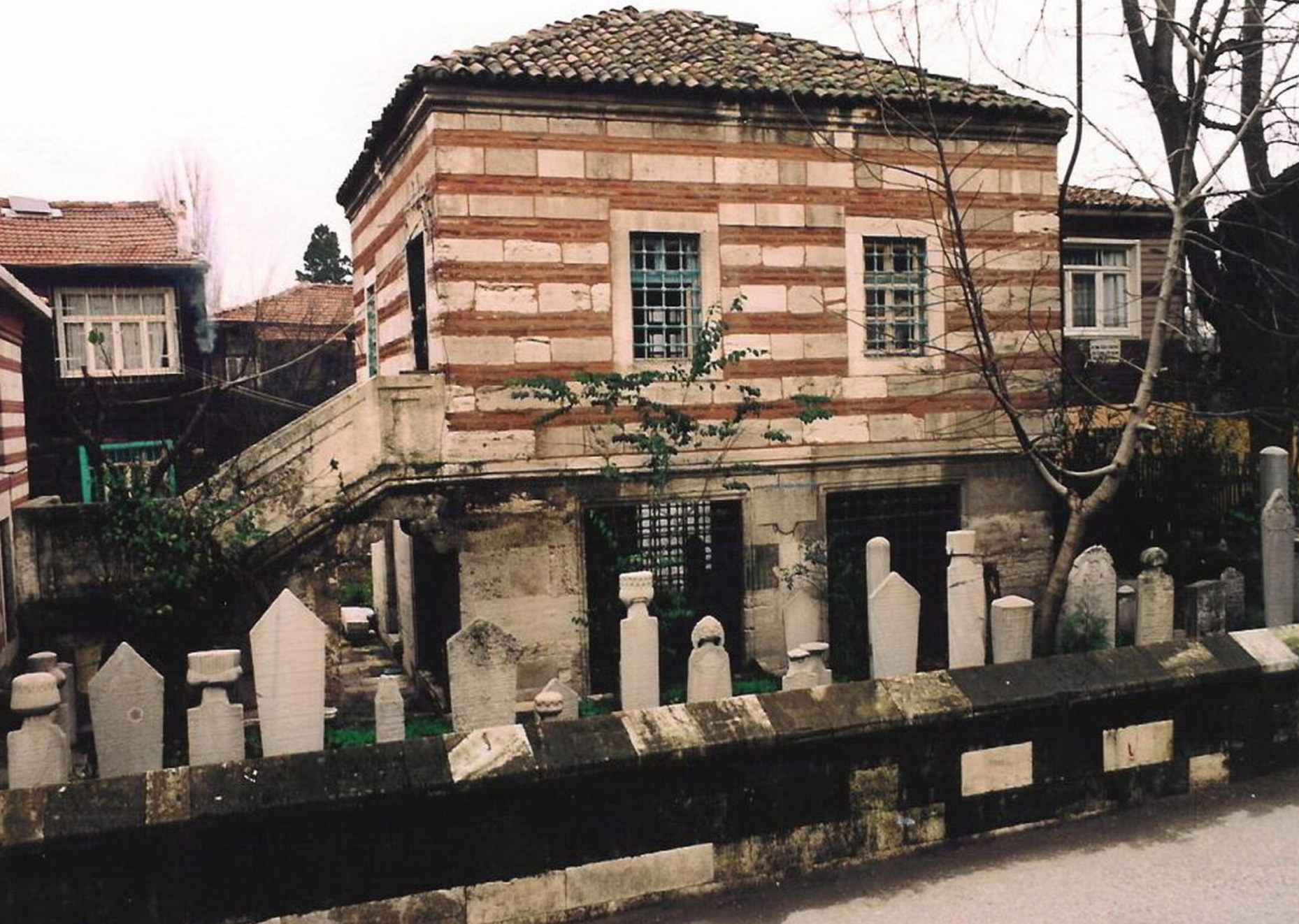
The tombs of its founder, Ramazan Agha, and his family are located in the lower floor of the historical building.
It continued to be used for educational purposes until the Law on the Unification of Education was enacted in 1924.
In the early years of the Republic, the building was used for various purposes such as a warehouse and residence, and it has been placed under protection by the General Directorate of Foundations.
Featured Highlights
Sıbyan (Ottoman primary) schools were the general name given to primary education institutions in the Ottoman Empire where both boys and girls began their basic education at the age of four.
Sa'i Mustafa Çelebi, who wrote the inscription that preserves the school's original form, was the author of important works about Mimar Sinan and a famous painter of the time.
The structure, designed with tombs on the lower floor and a school on the upper floor, is a very rare example of architecture.
According to conflicting information, it seems unlikely that Ramazan Agha, who served as Sekbanbaşı (second in command of the Janissaries) during the reigns of Sultans Bayezid II, Yavuz Sultan Selim, and Suleiman the Magnificent, lived until 1586, the year the school was built. This is because his service dates are recorded as between 1481 and 1532. If all this information is accepted as correct, Ramazan Agha would have had to be appointed Sekbanbaşı at a very young age.