Changes After Construction
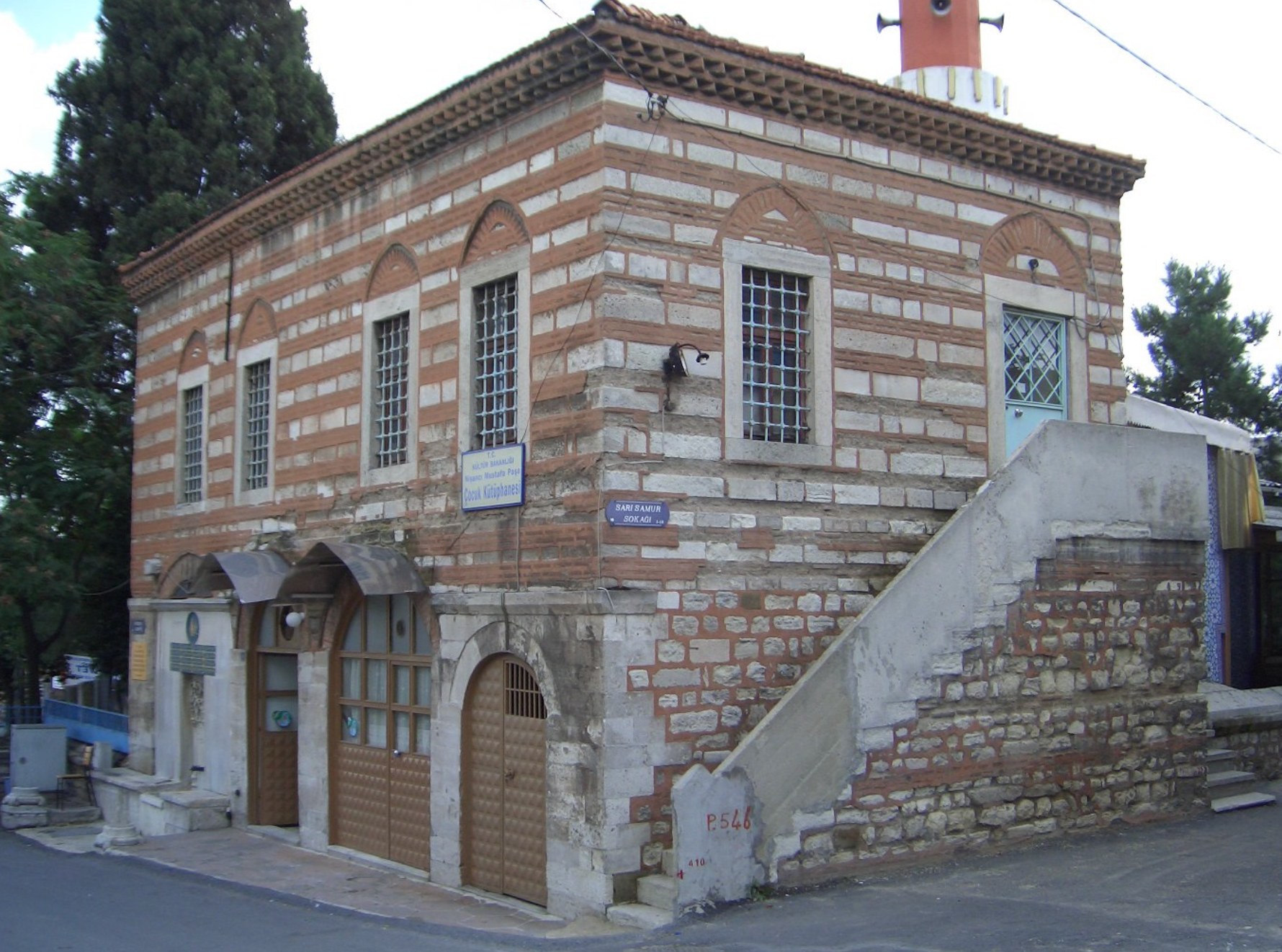
The structure, whose architect is unknown, was built by Rami Mehmet Pasha, the grand vizier of the reign of Sultan Mustafa II.
The original inscription on the fountain states that the building group, constructed with a combination of shops, a fountain, and a school, was restored in 1838 by Sultan Mahmud II in memory of his daughter Mihrimah Sultan.
It appears in the official list of active schools dated 1876.
The structure continued to be used for educational purposes under the name “Nişanca Neighborhood School” until the late 19th century and as “Eyüp 33rd Primary School” in the early years of the Republic.
The structure, which became completely ruined after 1930, was restored through the cooperation of Eyüpsultan Municipality and the General Directorate of Foundations and took its present form.
Featured Highlights
Today, it is used as the Youth Center of the Presidency of Religious Affairs.
Sıbyan schools were the general name given in the Ottoman Empire to primary education institutions where both boys and girls began basic education at the age of 4.
The historian İsmail Hakkı Uzunçarşılı, regarded as Reis-ül Müverrihin (Chief of Historians), received his primary education at this school (Nişanca Neighborhood School).
Nişanca Neighborhood, where the school is located, takes its name from Nişancı Mehmed Pasha, one of the grand viziers of Suleiman the Magnificent, and was one of the most important religious-social centers of the Ottoman period.