
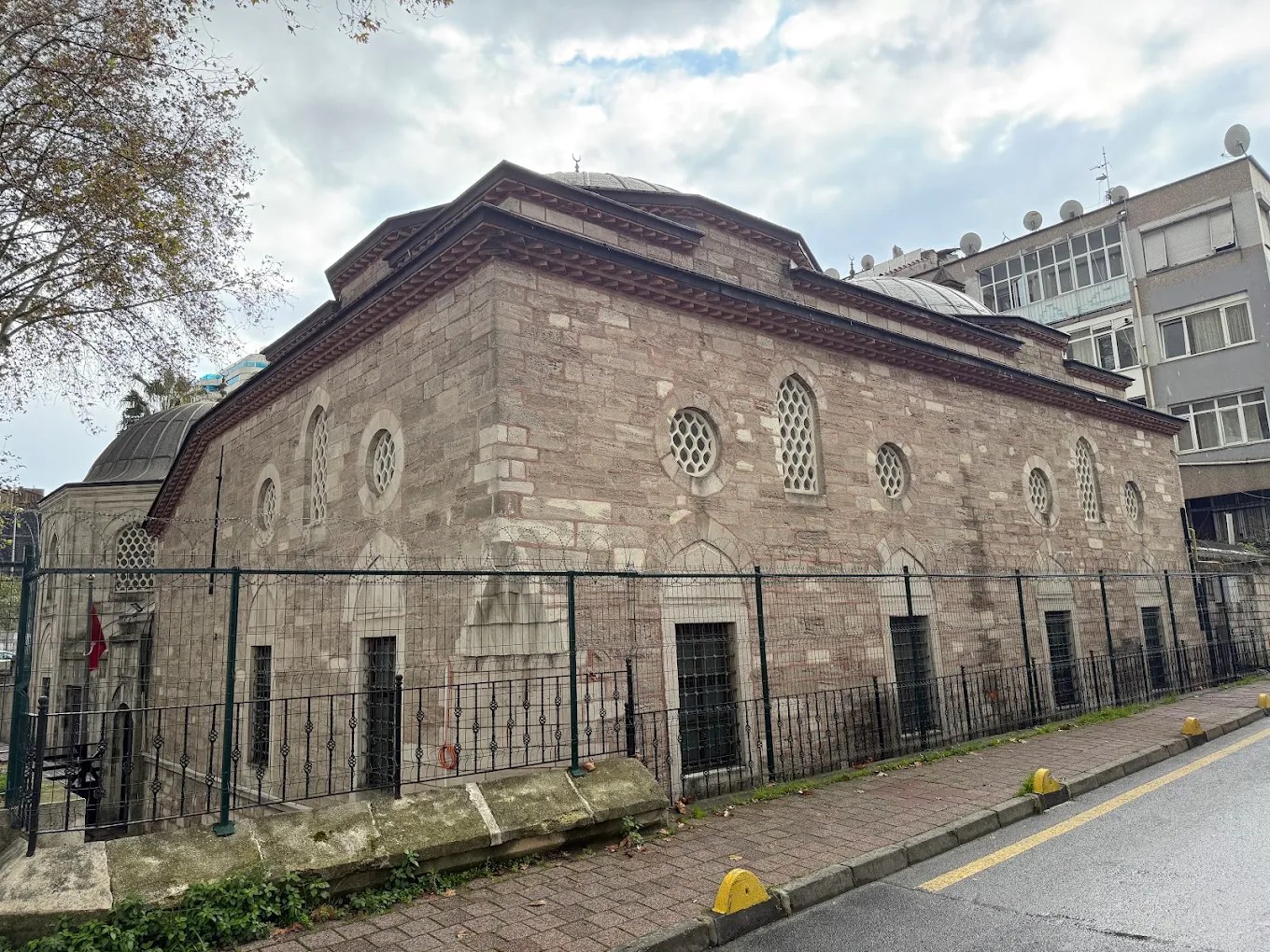
Changes After Construction
It was built by Şah-i Huban, one of the wives of Sultan Murad III, along with the tomb next to it.
It continued to be used for educational purposes until the Law on the Unification of Education was enacted in 1924.
The building remained derelict for a while and, after narrowly escaping serious demolition, it took its present form with the restoration work carried out in 1958.
Featured Highlights
Today it is used as a boys' dormitory.
Şah-ı Huban Hatun (Shah/Sultan of Beauties), the wife of Sultan Murad III, should not be confused with Şah (Şah-ı Huban) Sultan, the daughter of Selim I.
The school consists of two rooms covered with domes. This arrangement reflects the summer-winter school plan of Mimar Sinan.
The tomb located right next to the school is the tomb of its founder, Şah-ı Huban Hatun. This tomb is a small and modest structure located within a rectangular courtyard along with the primary school.
Primary schools were the general name given to primary education institutions in the Ottoman Empire where both boys and girls, who had reached the age of 4, began their basic education.