Changes After Construction
It was converted into a mosque during the reign of Mehmed the Conqueror.
It was severely damaged in the earthquake of 1894 and remained in ruins for a long time.
It was restored by the Directorate General of Foundations between 1973 and 1976.
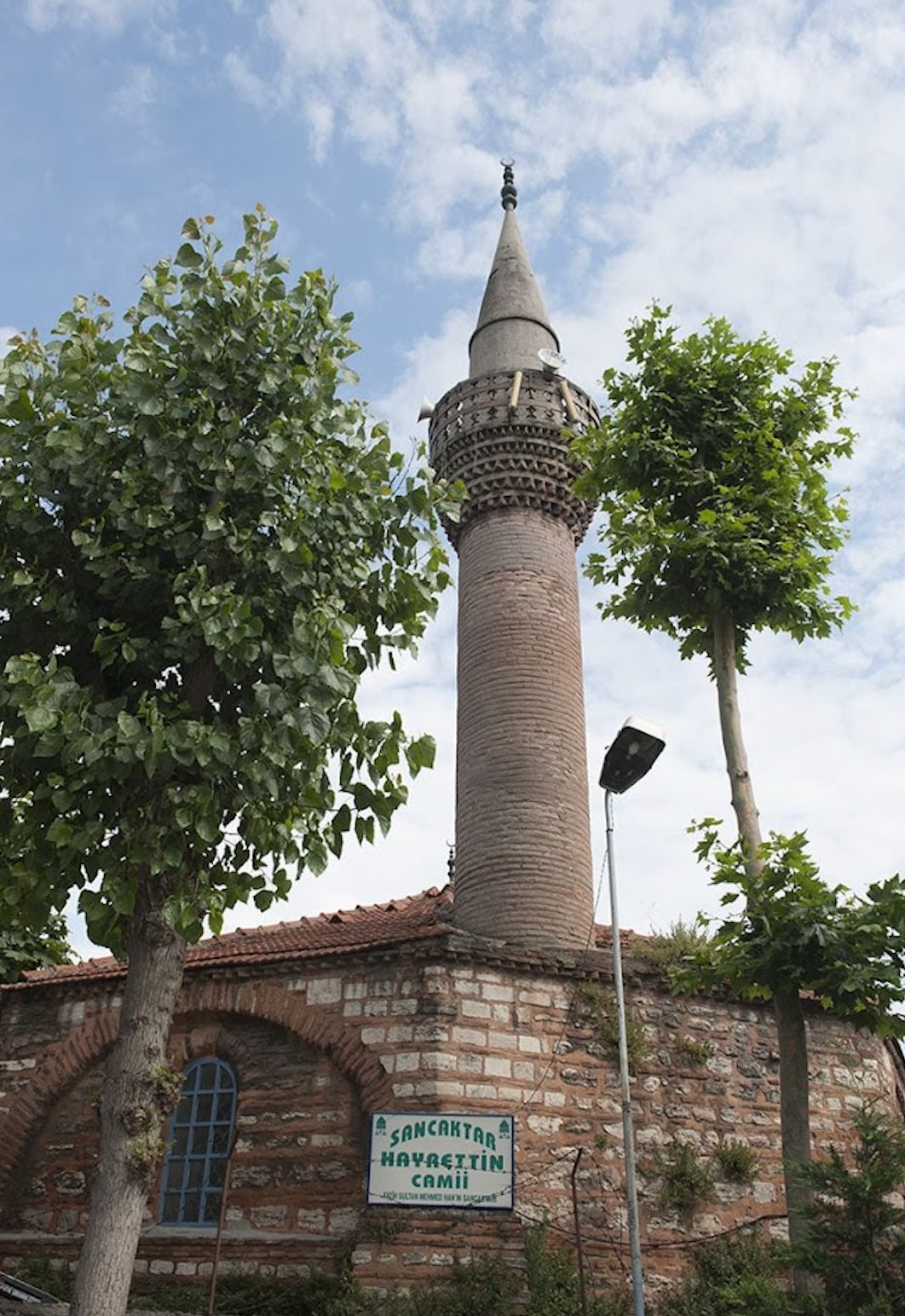
During the restoration, the building was covered with a roof instead of a dome and opened for worship in 1976.
Featured Highlights
It is thought that the building may belong to the Gastria Monastery, but there is no definitive evidence.
It has an octagonal plan on the outside and an equal-armed cross plan on the inside.
It is thought that the original structure was a mausoleum (monumental tomb) and the apse was added later.
It has a single-balcony minaret made of bricks on the north side.
In the interior, the arms of the cross are covered with triple arched barrel vaults.
Its mihrab is made of cut stone, its minbar and its gallery are made of wood.
The apse and other parts of the building show construction techniques from different periods.
It is thought to have been one of the important centers of iconolaters during the Byzantine period.
During the 1973 restoration, a roof was added to the building in accordance with its final form during the Ottoman period.
It is thought that the symbolic grave of Alemdar Hayreddin Efendi is located near the mosque.