
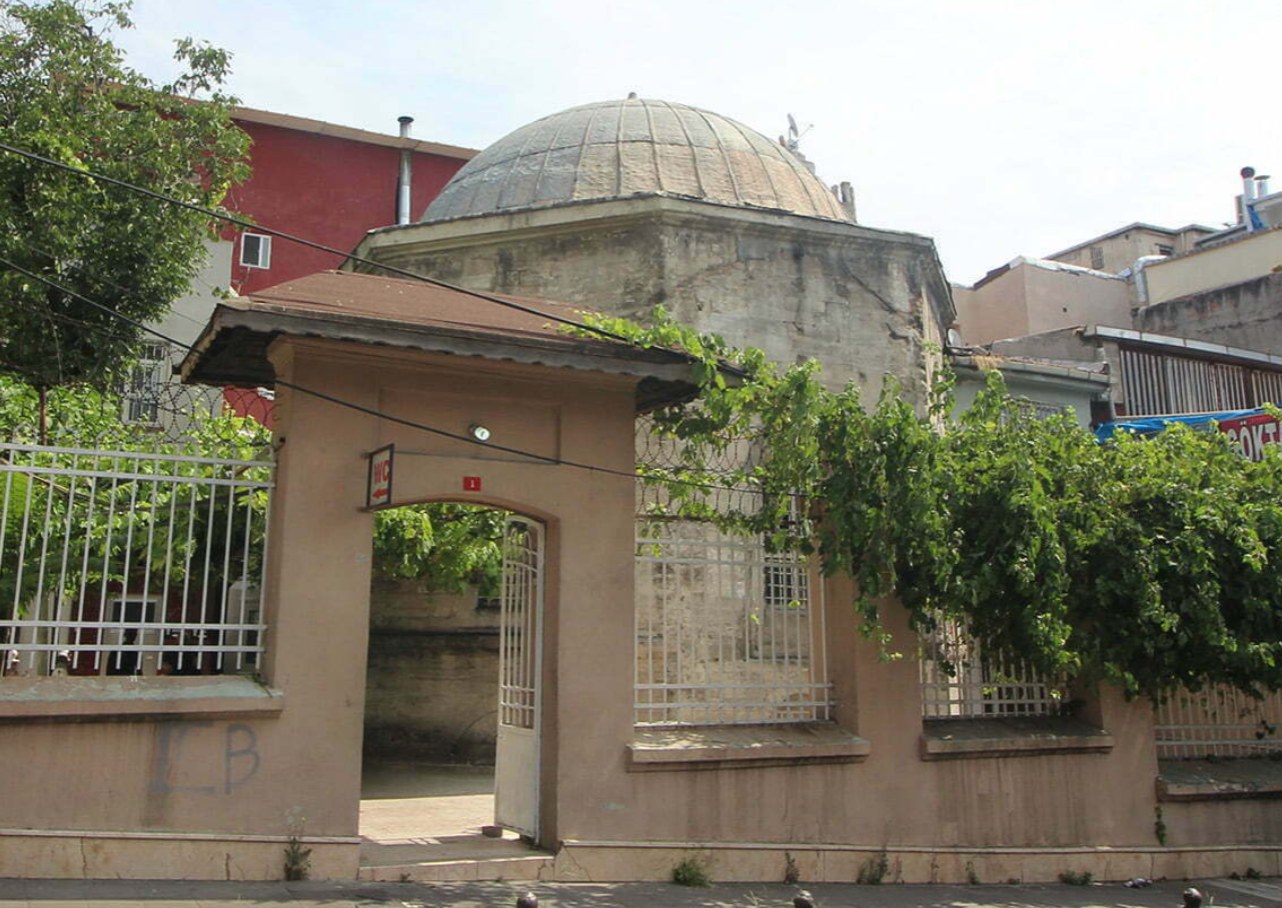
Person in the Tomb
Born in 1553 in Istanbul, Sunullah Efendi was the son of İskilipli Molla Cafer Çelebi, a kazasker during the reign of Kanuni Sultan Süleyman. He studied under his father and Zenbillizâde Fudayl Çelebi before becoming a student of his cousin Ebüssuûd Efendi in 1569.
He began his academic career as a mudarris (professor) and taught in various madrasas. In 1585, during an investigation ordered by Sultan Murad III concerning disturbances caused by Jews in the Kasımpaşa Kulaksız Cemetery, he worked alongside the Galata qadi and the Beyazıt trustee.
He then followed the traditional career path by becoming a judge, serving as qadi in Bursa in 1590 following a major fire, and then as qadi in Edirne (1591) and Istanbul (1592). That same year, he became Anadolu kazaskeri and later Rumeli kazaskeri. During the accession of Sultan Mehmed III, he was present as Rumeli kazaskeri. He was briefly dismissed afterward but honored with a robe of distinction. After completing the stages of the ilmiyye career, he became şeyhülislam in 1599 following the death of Hoca Sâdeddin Efendi.
He served multiple terms as şeyhülislam and was dismissed several times amidst court power struggles. He had conflicts with grand viziers and was involved in tensions between janissaries and sipahis. He passed away in 1612.
About the Mausoleum
- Year Built
- Commissioned By
- Architect
- Location
Featured Highlights
The tomb features the common octagonal plan seen in classical Ottoman tomb architecture and is topped by a central dome.
Though constructed from neatly cut stone, the façade has weathered over time, showing surface erosion and wear.
The tomb has rectangular, iron-barred windows topped with pointed arches. Above them are round openings with geometric patterns known as kuzguncuk windows.
Situated in a mosque courtyard, it is enclosed by walls and wrought-iron railings, and surrounded by trees and greenery.
The dome, visible from outside, is lead-covered and reflects the simple dome design of the classical period.