Changes After Construction
It has been stated that the last document showing that it was used in its original function is dated 1852–1853; after this date, it is stated to have been abandoned for a period.
In December 1918, it was used to shelter fire victims.
It has been stated that, in 1928, the madrasa unit was intended to be leased out by the Permanent Council of the Istanbul Province.
It is recorded that it underwent a thorough restoration in 1944–1945 and that, from 1946 onward, it was used for a long time as a maternity hospital / maternity and child care home.
It has been stated that, during the process of conversion into a hospital in 1946, the plan scheme as well as many original details were substantially altered; for this reason, restitution attempts concerning the building’s original state are considered controversial.
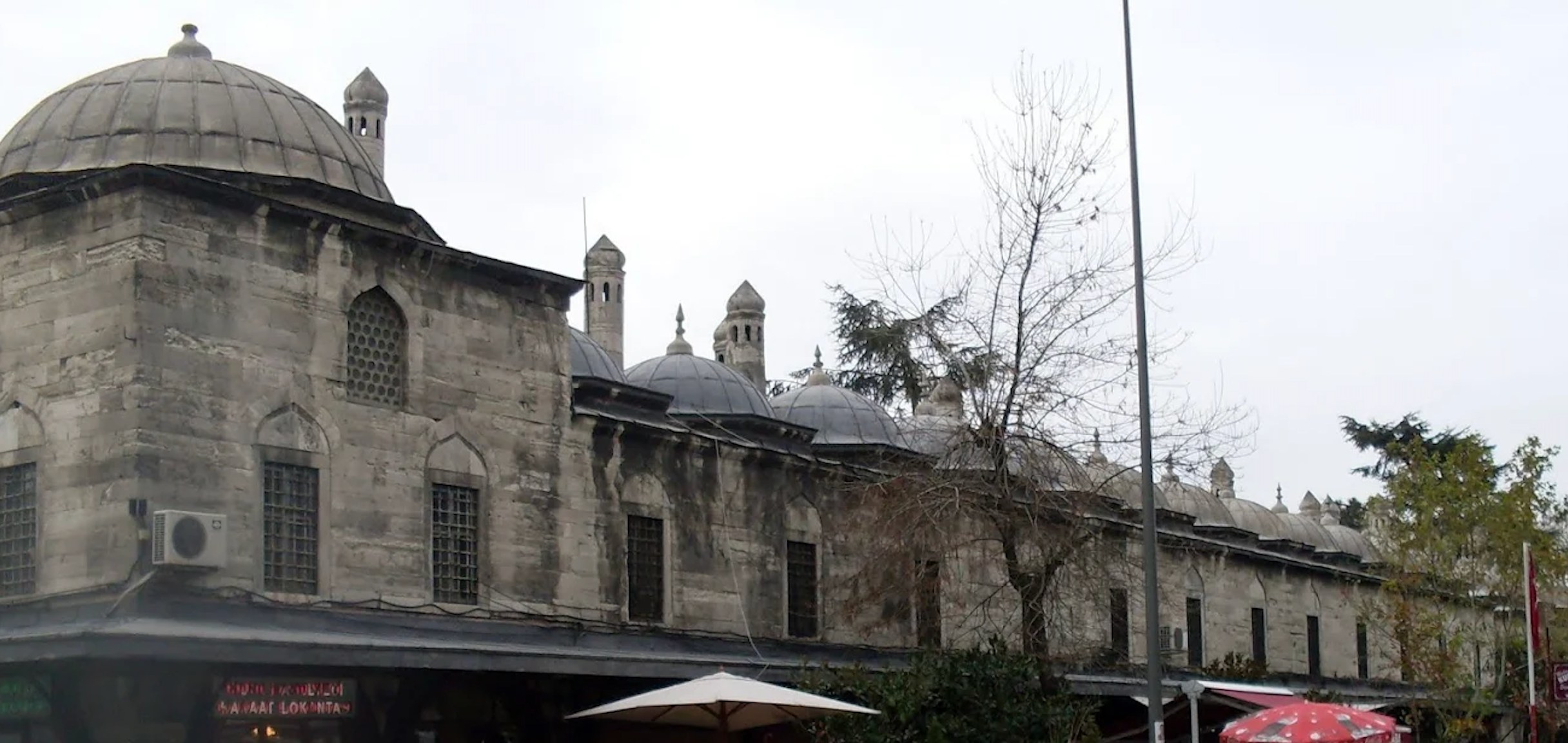
Today, it is stated to be used within the scope of the Süleymaniye Manuscript Library.
Featured Highlights
It is a specialized unit for medical education within the Süleymaniye Complex; in the Ottoman period, it stands out as an example of a separate medical madrasa on this scale.
According to the endowment deed, its staff consisted of one mudarris, one mu'id, eight danishmends, one noktacı, one bevvab, and one ferrash.
In the layout of the complex, the Medical Madrasa and the dar al-shifa were positioned opposite each other; it is stated that the dar al-shifa functioned as a practice/training hospital for the medical madrasa.
It is stated that it was designed on the west side of the mosque, to the north of the Sani Madrasa, as a row of rooms; it is thought that there were porticoes in front of the rooms.
It is recorded that beneath the structure there was a row of vaulted shops, gained from the slope of the terrain and known as the “Tiryaki Bazaar.”
It has been suggested that the existence of a Dar al-Akakir (drug storehouse) unit is known; moreover, the large garden in the rear section may have been related to the cultivation of medicinal plants.