
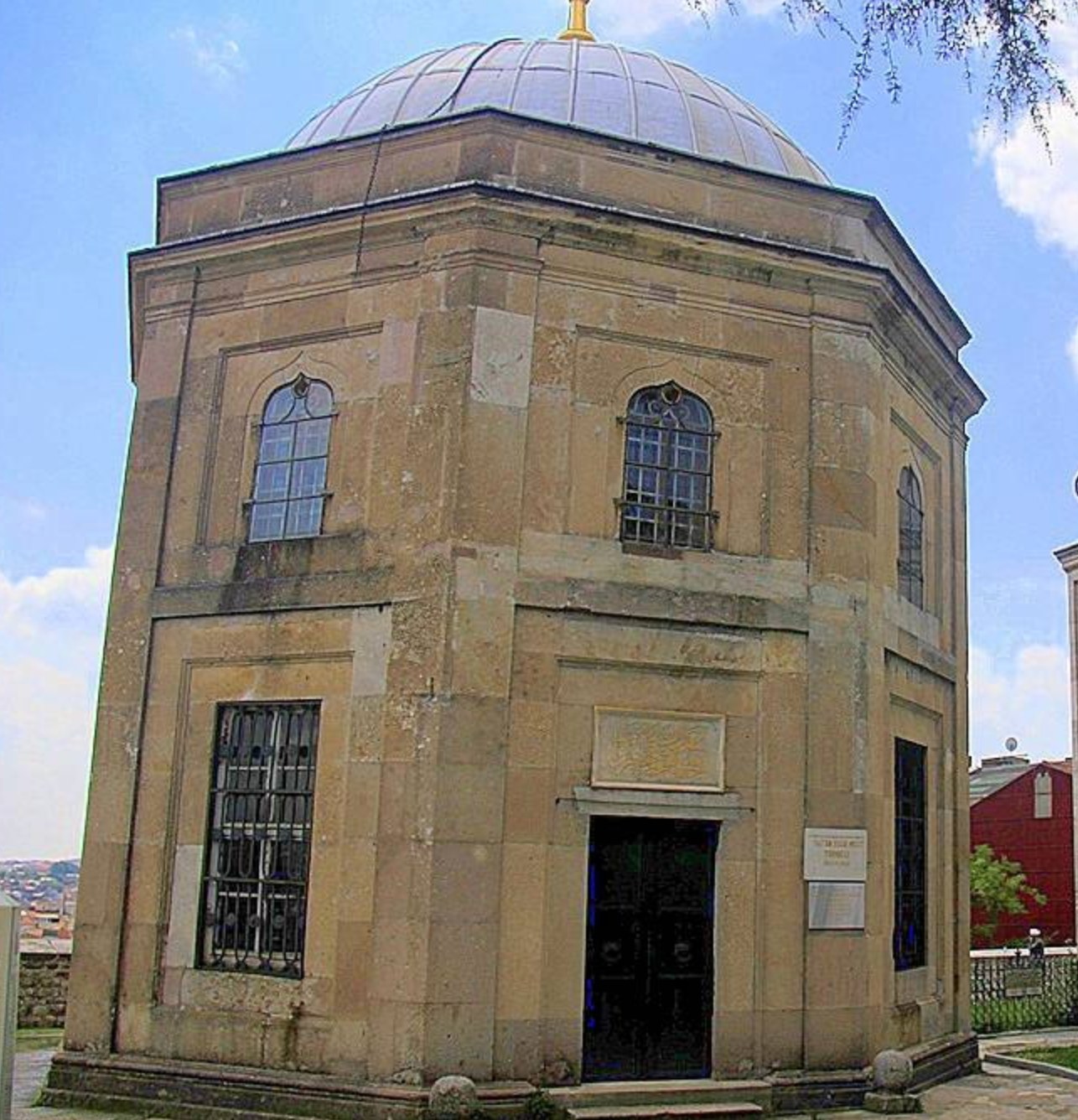
Person in the Tomb
Sultan Abdülmecid was the 31st sultan of the Ottoman Empire and the son of Sultan Mahmud II and Bezmialem Valide Sultan. When he ascended the throne in 1839 at the age of 16, he initiated wide-ranging reforms with the Tanzimat Edict, also known as the Gülhane Hatt-ı Hümâyunu, aiming to strengthen central administration and equalize the rights of non-Muslim and Muslim subjects. The Reform Edict of 1856 expanded this reformist course.
During his reign, Dolmabahçe Palace was built, modern schools were opened, and postal, telegraph, railway, and foreign borrowing practices began. Abdülmecid led the Crimean War of 1853–1856, in which the Ottoman Empire allied with Britain and France against Russia. After the war, the Treaty of Paris recognized the empire’s legal equality with the European states.
Due to his frail health, he died on 25 June 1861 and was succeeded by his brother Sultan Abdülaziz. Abdülmecid is remembered as the symbolic sultan of the Tanzimat period through his reformist vision and Westernizing initiatives.
About the Mausoleum
- Year Built
- Commissioned By
- Architect
- Location
Featured Highlights
The tomb is an octagonal domed structure built of ashlar stone.
The interior walls of the tomb are encircled by bands of Quranic verses written in jali-thuluth script by the calligrapher Şevki Efendi.
Above the entrance door is verse 50 of Surah Sad, written by the calligrapher Hulusi Efendi and dated 1910.
On the wall corners are inscribed the Names of Allah, the Supreme Name, the name of the Prophet, the names of the Four Rightly Guided Caliphs, and the names Hasan and Hüseyin.
The valuable sarcophagus cover, silver screen, and original chandelier once housed in the tomb are today displayed in different museums in Istanbul.
The rich painted decorations and stained-glass ornamentation inside the dome reflect the refined decorative taste of the period.