
Changes After Construction
Rebuilt in 1834–35 during the reign of Sultan Mahmud II under the supervision of Ahmet Fevzi Paşa.
Repaired during the reign of Sultan Abdülmecid in 1845 and 1851; restored again in 1872 by Ahmed Vesim Paşa.
Received maintenance in 1919 by Ahmed Remzi Dede.
Abandoned and ruined during the Republican period, the structure was faithfully restored in 1975 with support from donors.
The most recent restoration was completed between 2018–2019.
Featured Highlights
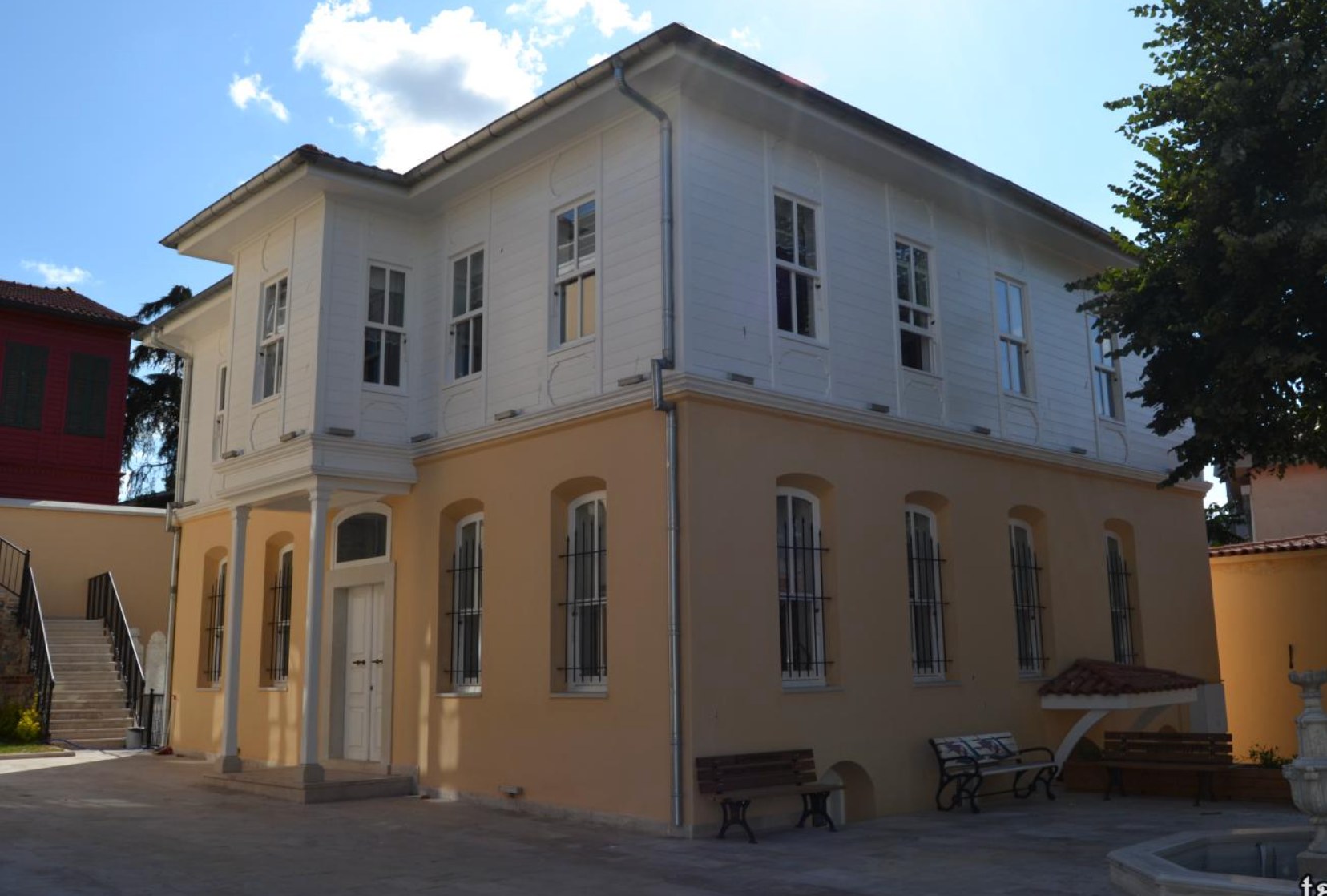
Two-storey layout combining semahane, mosque, and tomb: the tomb is on the lower floor, while the semahane and mosque are on the upper floor.
The lower-floor tomb contains dozens of graves, including those of Numan Halil Dede and Ahmed Vesim Paşa.
The courtyard features a Baroque-style marble fountain and a 1975-dated shadirvan.
Constructed with rubble stone and brick; the windows are made of cut küfeki stone, and the mihrab niche bears decorative painted ornamentation.
A wooden niche attached to the wall functions as a minaret.
It holds the distinction of being the last Mevlevi lodge on the Anatolian side to provide accommodation for dervishes.